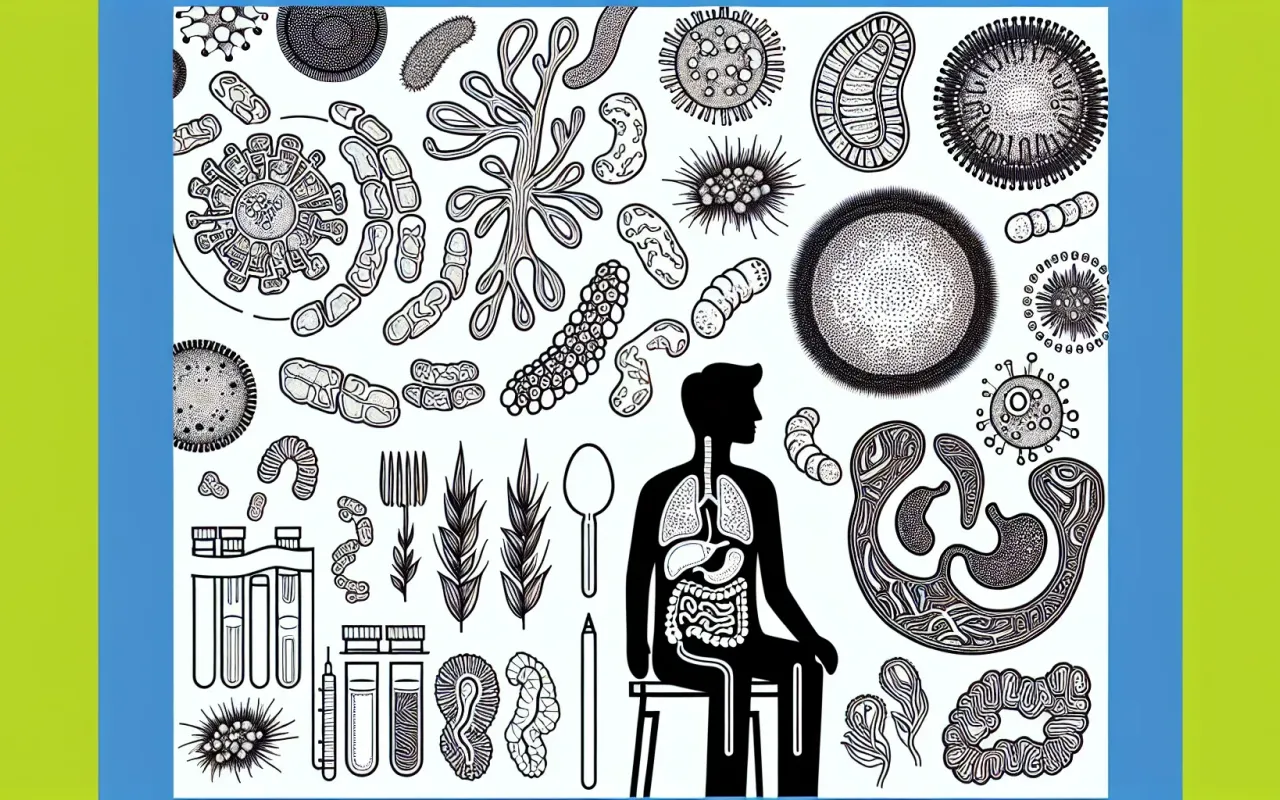
Explore how glutens impact on gut microbiome can affect your health. Learn essential facts, insights, and solutions in this comprehensive article.
- October 6, 2024
The connection between diet and health has never been more evident, especially when it comes to the impact of gluten on the gut microbiome. Understanding how glutens affect the gut microbiota and overall health can help you make more informed dietary choices. This article explores the intricate relationship between gluten, gut health, and well-being.
Understanding Gluten and the Gut Microbiome
Before delving into the specifics, let's clarify what gluten and the gut microbiome are. Gluten is a group of proteins found in wheat, rye, and barley. The gut microbiome, on the other hand, consists of trillions of microorganisms living in the digestive tract, playing crucial roles in digestion, immune function, and overall health.
What is Gluten?
Gluten refers to the combination of two proteins—gliadin and glutenin—found in certain grains. These proteins give dough its elasticity and chewy texture. Gluten's role in food production is significant, but its effects on health, especially regarding the gut microbiome, can be a matter of concern for some individuals.
The Gut Microbiome: A Brief Overview
The gut microbiome is a dynamic ecosystem of bacteria, fungi, viruses, and other microorganisms residing in the digestive tract. This complex community contributes to nutrient absorption, vitamin synthesis, immune defense, and even mental health. Maintaining a balanced gut microbiome is essential for overall well-being.
How Gluten Impacts the Gut Microbiome
Research has indicated that gluten consumption can significantly impact the composition and functionality of the gut microbiome. The effects can vary drastically depending on individual susceptibility, such as in the case of celiac disease or non-celiac gluten sensitivity.
Gluten and Gut Dysbiosis
Gut dysbiosis refers to an imbalanced gut microbiome, where harmful bacteria outnumber beneficial ones. In susceptible individuals, gluten can trigger gut dysbiosis, leading to digestive disturbances, inflammation, and compromised immune function. Studies have shown that a gluten-free diet can improve gut microbiota balance in such individuals.
Inflammation and Autoimmune Responses
Celiac disease is an autoimmune disorder triggered by gluten consumption, causing severe gut inflammation and damage. In affected individuals, gluten induces an autoimmune response, leading to intestinal permeability and long-term health complications. Even in non-celiac individuals, gluten can sometimes cause low-grade inflammation and discomfort.
Health Implications of Gluten-Induced Gut Microbiome Changes
Understanding the health implications of gluten-induced changes in the gut microbiome is crucial for making informed dietary choices. Here are some key aspects to consider:
Digestive Health
Gluten can cause digestive issues such as bloating, gas, and diarrhea in sensitive individuals. These symptoms arise from the disruption of gut microbial balance, highlighting the importance of monitoring gluten intake for digestive well-being.
Immune Function
A balanced gut microbiome strengthens the immune system by fostering beneficial microbes. Gluten-induced dysbiosis can weaken immune defenses, making the body more susceptible to infections and autoimmune conditions. Tailoring gluten consumption to individual tolerance levels is crucial for maintaining robust immune health.
Mental Health
The gut-brain axis is a well-documented connection, suggesting that gut health directly influences mental well-being. Research indicates that gut dysbiosis caused by gluten can contribute to anxiety, depression, and mood disorders. Ensuring a healthy gut microbiome through appropriate dietary choices can positively impact mental health.
Solutions and Dietary Recommendations
While gluten can impact the gut microbiome significantly, there are practical solutions to mitigate adverse effects and promote a healthy gut environment.
Adopting a Gluten-Free Diet
For individuals with celiac disease or non-celiac gluten sensitivity, adopting a gluten-free diet is essential. This means eliminating gluten-containing grains and choosing alternatives such as rice, quinoa, and gluten-free oats. Consulting a dietitian can provide personalized guidance for maintaining a balanced diet.
Incorporating Probiotics and Fermented Foods
Probiotics are beneficial bacteria that support gut health. Incorporating probiotic-rich foods like yogurt, kefir, sauerkraut, and kimchi can help restore gut microbiome balance. Fermented foods are particularly effective in promoting beneficial microbial growth and enhancing digestive function.
Consuming Prebiotic Foods
Prebiotics are non-digestible fibers that serve as food for beneficial gut bacteria. Foods like garlic, onions, bananas, and asparagus are excellent sources of prebiotics. Including these in your diet can support a healthy gut microbiome and improve overall gut health.
Regular Monitoring and Professional Guidance
Monitoring gut health and seeking guidance from healthcare professionals is vital for managing gluten-related gut issues. Regular check-ups and consultations with gastroenterologists, nutritionists, and dietitians can help you tailor your diet to your specific needs.
In conclusion, understanding how glutens impact on gut microbiome affects your overall health is essential for making informed dietary choices. By being aware of gluten's potential effects and adopting suitable dietary and lifestyle practices, you can promote a balanced gut microbiome and enhance your overall well-being.