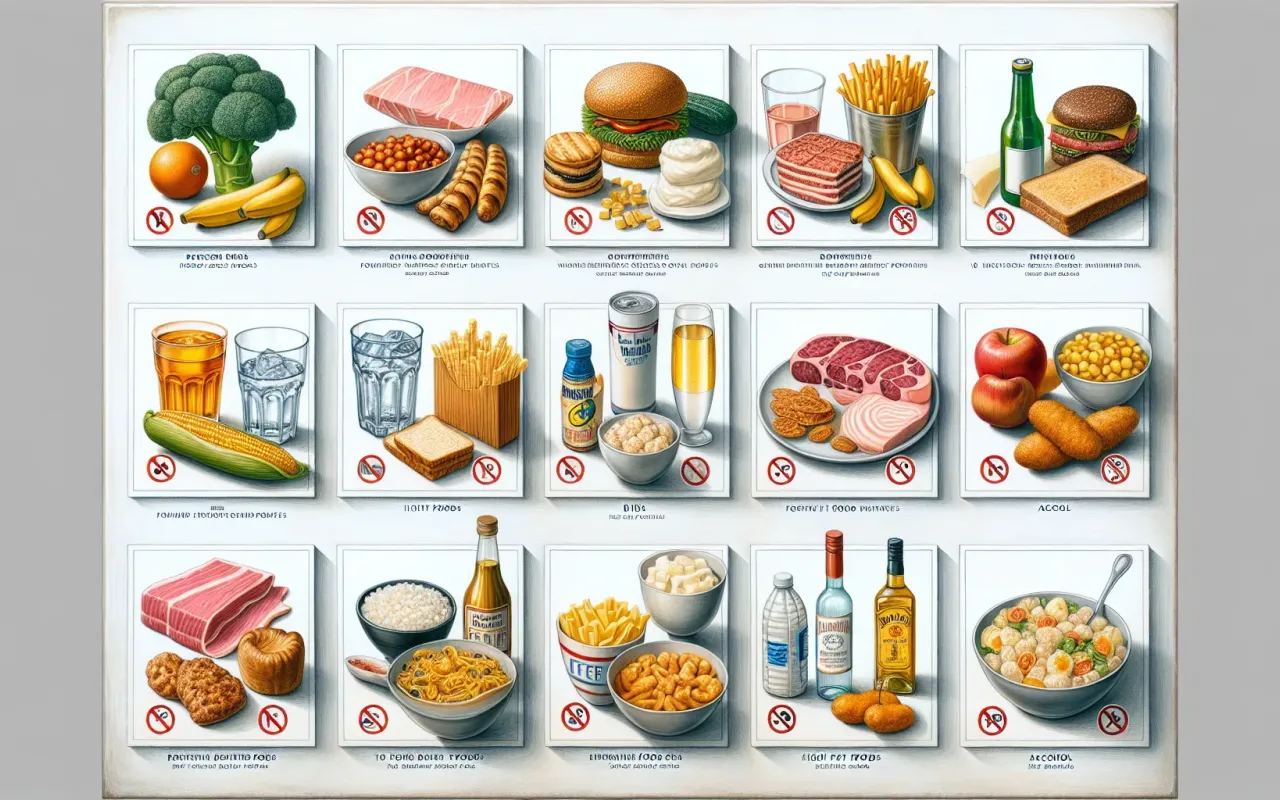
Discover the top 10 foods to avoid for IBS and gut health. Learn about the common triggers and alternative options to improve your digestive wellness.
- October 5, 2024
Introduction: Irritable Bowel Syndrome (IBS) is a common digestive disorder that affects millions of people worldwide. Managing IBS effectively often requires a combination of medical treatment and dietary adjustments. Understanding which foods to avoid can significantly improve gut health and reduce IBS symptoms. This article will discuss ten foods to avoid for IBS and gut health, providing valuable insights and alternatives to help you make informed dietary choices.
1. Dairy Products
Dairy products, such as milk, cheese, and ice cream, contain lactose, which can be difficult for individuals with IBS to digest. Lactose intolerance is common among people with IBS, leading to symptoms such as bloating, gas, and diarrhea.
Alternatives
Consider lactose-free dairy products, almond milk, or soy-based alternatives to maintain calcium intake without the adverse effects.
2. Fried Foods
Fried foods are high in fat and can slow down digestion, which might aggravate IBS symptoms. Foods like french fries, fried chicken, and doughnuts can lead to bloating and discomfort.
Alternatives
Opt for grilled, baked, or steamed foods to maintain a more balanced and gut-friendly diet.
3. Processed Meats
Processed meats, such as sausages, bacon, and deli meats, contain preservatives and high-fat content that can trigger IBS symptoms. These additives and fats can wreck havoc on your digestive system.
Alternatives
Lean meats like chicken, turkey, or fish are healthier choices that are easier on the gut.
4. Artificial Sweeteners
Artificial sweeteners like sorbitol, mannitol, and aspartame can lead to digestive issues, including bloating, gas, and diarrhea. These sugar substitutes are commonly found in diet sodas and sugar-free snacks.
Alternatives
Opt for natural sweeteners like honey or maple syrup in moderation to avoid potential IBS flare-ups.
5. Caffeinated Beverages
Caffeine, prevalent in coffee, tea, and some sodas, can speed up the digestive process and irritate the gut lining. This can lead to diarrhea and discomfort in people with IBS.
Alternatives
Consider herbal teas or decaffeinated coffee as substitutes that are gentler on the digestive tract.
6. High-FODMAP Foods
FODMAPs are short-chain carbohydrates that are poorly absorbed in the small intestine. Foods high in FODMAPs, such as beans, lentils, garlic, and onions, can cause severe IBS symptoms.
Alternatives
Focus on low-FODMAP foods like carrots, spinach, and quinoa to keep your gut happy.
7. Gluten-Containing Grains
Gluten, found in wheat, barley, and rye, can be troublesome for people with IBS, even if they do not have celiac disease. Gluten can cause bloating, gas, and diarrhea.
Alternatives
Gluten-free grains such as rice, quinoa, and buckwheat are excellent choices for a healthier gut.
8. Carbonated Drinks
Sodas and other carbonated drinks contain carbon dioxide which can cause gas and bloating. These bubbles can expand in the stomach and exacerbate IBS symptoms.
Alternatives
Plain water, herbal teas, or diluted fruit juices without added sugar are better choices to avoid discomfort.
9. Spicy Foods
Spicy foods can irritate the gut lining and lead to symptoms such as abdominal pain and diarrhea in individuals with IBS. Capsaicin, the compound that gives chili peppers their heat, is often a culprit.
Alternatives
Choose milder spices and herbs like basil, ginger, or turmeric, which add flavor without irritating the gut.
10. Alcohol
Alcohol can be a major trigger for IBS symptoms, causing dehydration, and irritation of the gut lining. Beer, wine, and cocktails can all contribute to digestive upset.
Alternatives
If you choose to drink, do so in moderation. Opt for lighter options such as a small glass of wine or diluted spirits.
Conclusion
Managing IBS and maintaining gut health requires careful attention to your diet. By avoiding these ten common trigger foods and opting for healthier alternatives, you can minimize discomfort and improve your overall digestive wellness. Always consult with a healthcare professional before making significant changes to your diet to ensure they are suitable for your specific health needs.