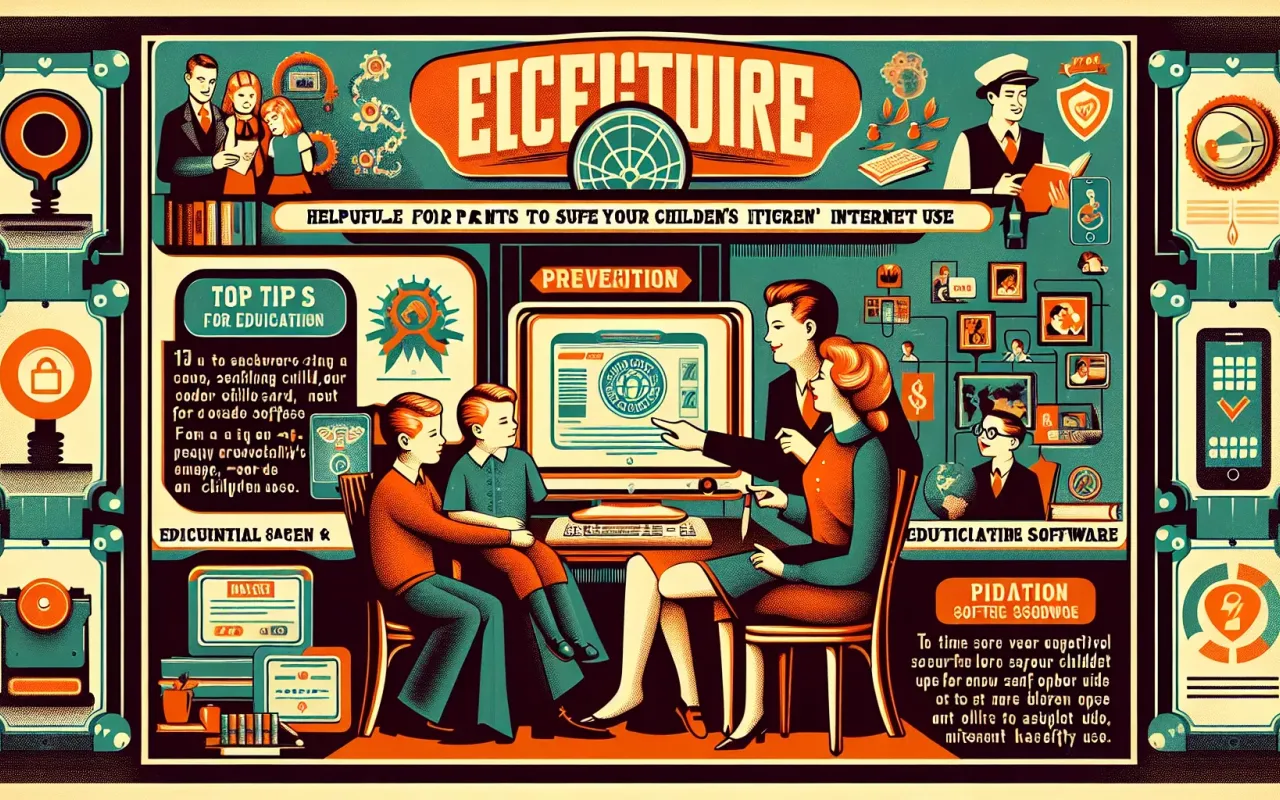
Discover essential tips on how to ensure internet safety for kids. Learn strategies to protect children online and foster a safe digital environment.
- October 4, 2024
AceShowbiz - The internet is a vital resource for education and entertainment, but it also carries potential risks, especially for children. As a parent, understanding how to ensure internet safety for kids is crucial. This article provides essential tips and strategies to protect children online and foster a safe digital environment.
Understanding Online Risks
Before diving into the measures to ensure internet safety for kids, it's important to understand the risks they may encounter online:
- Cyberbullying: Bullying through digital platforms.
- Inappropriate Content: Exposure to content unsuitable for their age.
- Online Predators: Individuals who exploit the anonymity of the internet to reach out to children.
- Privacy Invasion: Sharing personal information that could be misused.
- Scams and Phishing: Tricks designed to steal personal information or money.
Open Communication
An open line of communication is the foundation for ensuring internet safety for kids. Here’s how to maintain it:
- Educate: Teach your children about the potential online risks and the importance of staying safe on the internet.
- Encourage Dialogue: Let your children know they can talk to you about anything they encounter online without fear of punishment.
- Set Clear Rules: Establish guidelines for internet use, including which sites they can visit and what information they can share.
Setting Up Parental Controls
Parental controls are essential tools to ensure internet safety for kids. These controls can help filter inappropriate content and monitor online activity.
Built-In Device Controls
Most devices come with built-in parental controls. Here's how you can use them:
- Operating Systems: Both Windows and MacOS offer built-in parental controls to set usage limits and monitor activities.
- Mobile Devices: Android and iOS have settings to restrict content and monitor usage.
Third-Party Software
If built-in controls aren't sufficient, numerous third-party software options can add layers of protection:
- Content Filtering: Applications like Net Nanny and Qustodio can block inappropriate content.
- Activity Monitoring: Software like Norton Family Premier allows you to monitor your child's online activities and set time limits.
Educating Children About Online Privacy
Teaching children about online privacy is crucial to ensuring their internet safety. They need to understand the importance of keeping personal information private.
- Personal Information: Explain what constitutes personal information and why it should not be shared online.
- Privacy Settings: Show them how to adjust privacy settings on social media platforms and other websites to protect their information.
- Stranger Danger: Teach children not to accept friend requests or communicate with strangers online.
Monitoring and Supervision
Active monitoring and supervision are key components of ensuring internet safety for kids:
- Regular Checks: Periodically check the browsing history and digital devices used by your children.
- Shared Access: Have computers and devices in common areas of the home where supervision is easier.
- Stay Informed: Keep up with the latest apps and online trends that kids are using.
Encouraging Safe Online Behavior
Promoting good digital citizenship is essential for ensuring internet safety. Encourage your children to engage in safe and responsible online behavior:
- Think Before Posting: Teach them to consider the consequences of sharing texts, photos, and videos.
- Respect Others: Encourage respectful communication and discourage participation in cyberbullying.
- Report Issues: Help them understand how to report inappropriate content or behavior to the platform and to you.
Protecting Against Cyberbullying
Cyberbullying is a significant threat to children’s well-being. Here’s how parents can help protect their children:
- Recognize Signs: Be aware of behavioral changes like anxiety or withdrawal, which can indicate cyberbullying.
- Document Evidence: Keep records of any bullying incidents to report to the relevant authorities.
- Support Your Child: Offer emotional support and reassurance, and work together to address the issue.
Dealing with Online Predators
Protecting children from online predators requires vigilance and proactive strategies:
- Know Their Friends: Be aware of who your children interact with online.
- Warn About Grooming Tactics: Teach children about the tactics predators use to gain trust.
- Use Reporting Tools: Utilize reporting tools on social media platforms to report suspicious behaviors.
Conclusion
Ensuring internet safety for kids requires a multifaceted approach involving education, communication, monitoring, and the use of technological tools. By understanding the risks and implementing these strategies, parents can create a safer online environment for their children. Stay proactive and informed to protect your children from the potential dangers of the digital world.