Learn about reflexology foot chart benefits and how they can contribute to your optimal health. Explore detailed insights and practical tips for integrating reflexology into your wellness routine.
- October 2, 2024
Reflexology is an ancient healing practice that targets specific points on the feet, hands, and ears to promote health and well-being throughout the body. A reflexology foot chart is an essential tool for practitioners, illustrating the pressure points that correspond to different organs and systems in the body. In this article, we will delve into the reflexology foot chart benefits and explore how they contribute to optimal health.
Understanding Reflexology and Its Foundations
Reflexology is based on the principle that certain points on the feet, known as reflex points, are linked to various organs and systems. By applying pressure to these points, reflexologists aim to improve circulation, relieve tension, and promote overall health. This practice has roots in ancient Egyptian and Chinese medicine and has been honed over centuries to become a widely recognized complementary therapy.
Reflexology Foot Chart: An Overview
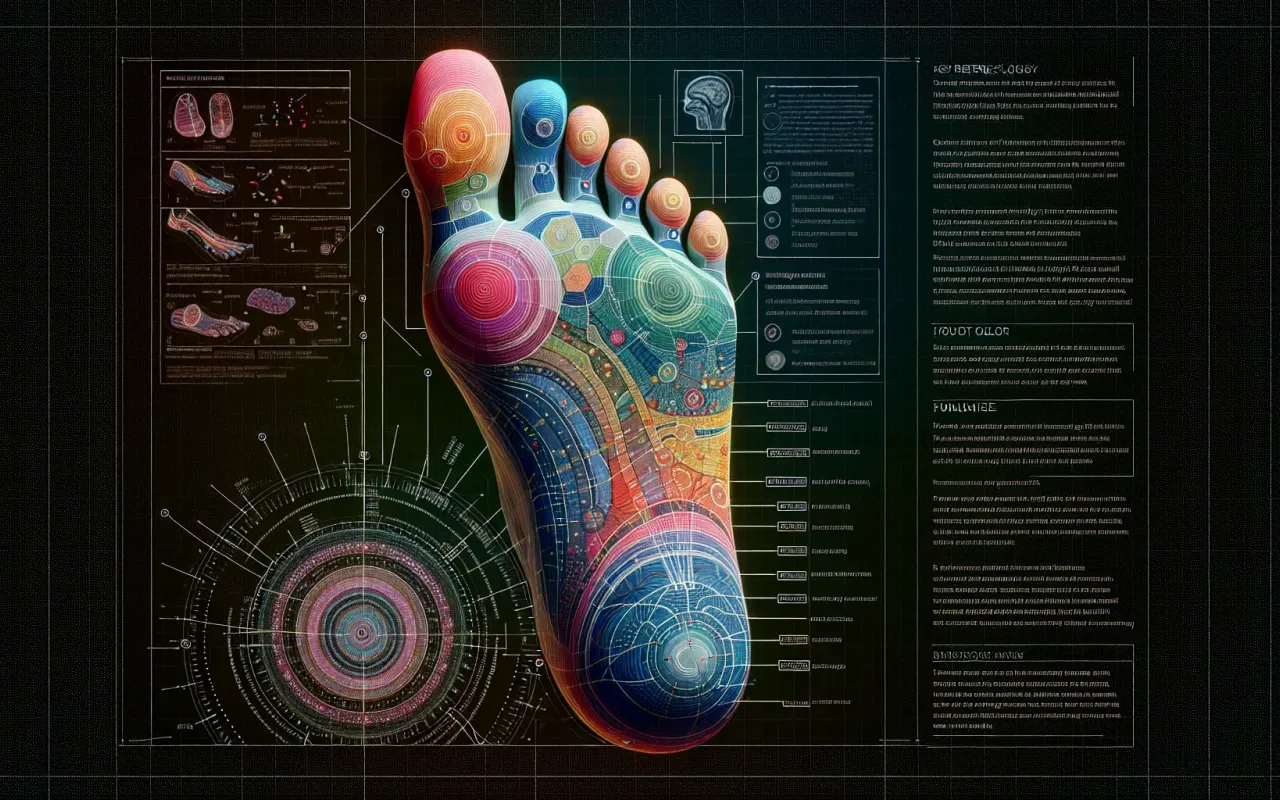
A reflexology foot chart is a visual guide that maps out the reflex points on the feet. These charts are crucial for both practitioners and individuals seeking to understand the correlation between foot reflexology and body health. The charts typically divide the foot into different zones, each representing specific body parts and functions.
Key Zones and Reflex Points
- Head and Brain: Located on the toes, these points can help with issues like headaches and mental stress.
- Spine: Found along the inner edge of the foot, these points correspond to spinal health and can alleviate back pain.
- Heart and Chest: Situated around the ball of the foot, these points are linked to cardiovascular and respiratory well-being.
- Liver and Kidneys: Positioned on the arch of the foot, these points are vital for detoxification and metabolic functions.
- Digestive System: Reflex points on the mid-foot and heel pertain to digestive health, assisting with issues like indigestion and constipation.
Benefits of Using a Reflexology Foot Chart
1. Improved Circulation
One of the primary reflexology foot chart benefits is enhanced blood circulation. By stimulating the reflex points, blood flow to different organs and tissues improves, ensuring they receive essential nutrients and oxygen.
2. Stress Relief
Reflexology has a profound impact on stress reduction. The act of massaging reflex points can release tension, promote relaxation, and balance energy levels, making it an effective method for managing stress and anxiety.
3. Pain Management
Many individuals turn to reflexology for natural pain relief. Whether it's chronic pain, such as arthritis, or acute conditions like headaches, targeting specific reflex points can help alleviate discomfort and promote healing.
4. Enhanced Immune Function
The reflexology foot chart benefits also extend to boosting the immune system. By stimulating reflex points linked to the lymphatic system, reflexology supports the body's natural defense mechanisms, helping to ward off illness and promote recovery.
5. Better Sleep
Reflexology can significantly improve sleep quality. By calming the nervous system and relieving stress, reflexology sessions can help individuals fall asleep more easily and enjoy deeper, more restorative rest.
6. Detoxification
Stimulating the reflex points corresponding to the liver, kidneys, and other detoxification organs aids in flushing out toxins from the body. This detoxification process is integral to maintaining overall health and preventing disease.
Practical Tips for Integrating Reflexology into Your Wellness Routine
Incorporating reflexology into your health regimen can be simple and rewarding. Here are some practical tips to get started:
- Regular Sessions: Consider scheduling regular reflexology sessions with a certified practitioner to maintain optimal health benefits.
- DIY Techniques: Learn basic reflexology techniques to practice at home. Using a reflexology foot chart as a guide, you can perform self-massage on your feet.
- Foot Soaks: Complement reflexology with relaxing foot soaks. Add Epsom salts or essential oils to a warm foot bath to enhance the therapeutic effects.
- Stay Informed: Read books and watch tutorials on reflexology to deepen your understanding and improve your self-care routine.
How to Find a Qualified Reflexologist
Choosing a qualified reflexologist is crucial for ensuring safe and effective treatments. Here are some tips for finding the right practitioner:
- Check Credentials: Ensure the reflexologist is certified by a recognized reflexology association or institution.
- Seek Recommendations: Ask friends, family, or healthcare providers for referrals to reputable reflexologists.
- Read Reviews: Online reviews and testimonials can provide insights into the practitioner's experience and expertise.
- Conduct Interviews: Don't hesitate to call and interview potential reflexologists to ask about their approach and experience.
Conclusion
The reflexology foot chart benefits are vast and scientifically backed. Incorporating reflexology into your wellness routine opens the door to improved circulation, stress relief, pain management, enhanced immune function, better sleep, and effective detoxification. Whether you choose to visit a qualified reflexologist or explore self-massage techniques at home, the path to optimal health is clearly mapped out on your feet.