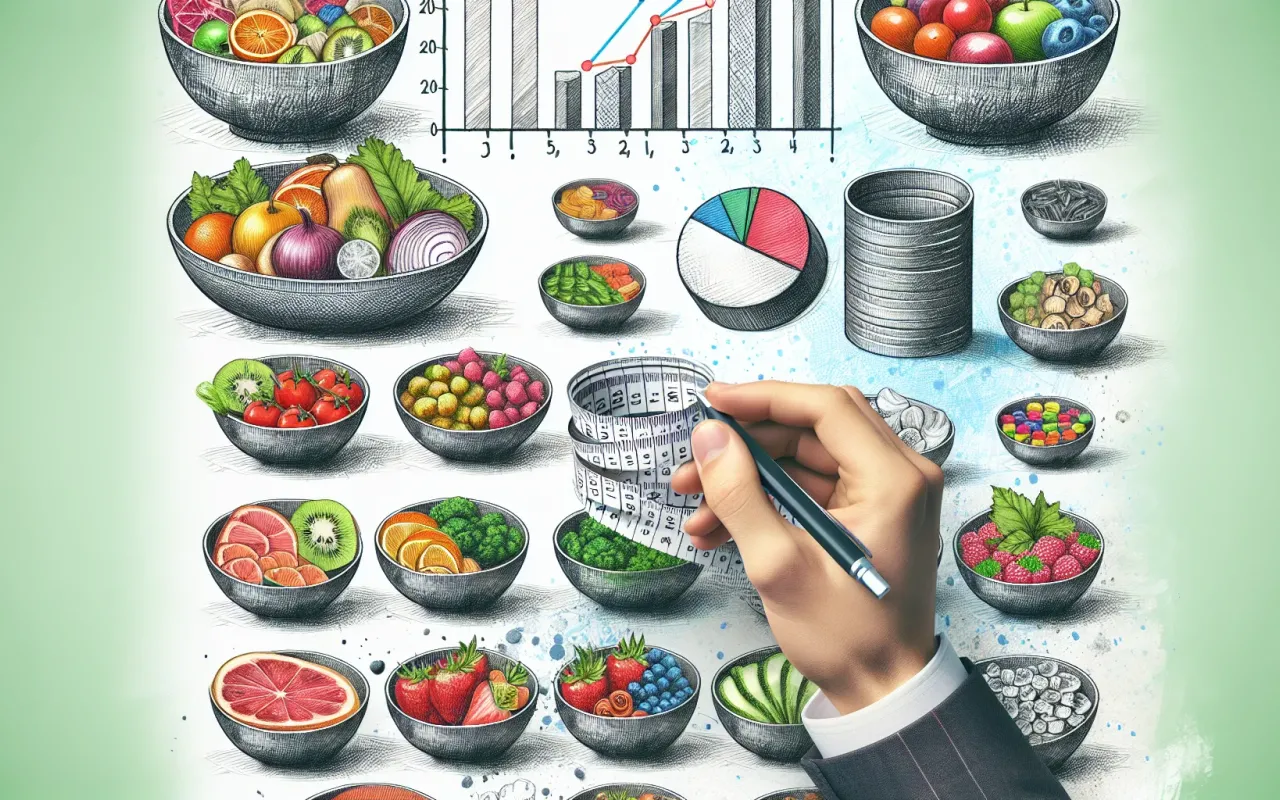
Learn how to master portion control diet for effective calorie management and weight loss, with practical tips and strategies.
- September 29, 2024
AceShowbiz - Calorie management is fundamental to achieving and maintaining a healthy weight. Portion control is a critical aspect of this endeavor. By mastering portion control, you can effectively manage your calorie intake without feeling deprived. This article delves into the principles of a portion control diet, offering practical tips and strategies to help you succeed.
What Is Portion Control?
Portion control involves regulating the amount of food you consume in one sitting. It is about recognizing the difference between a "serving size" and a "portion size." While serving sizes are standardized quantities of food (often found on nutrition labels), portion sizes are the actual amounts you eat. Mastering portion control means becoming mindful of both.
Why Portion Control Matters for Calorie Management
Understanding Calorie Consumption
Calories are units of energy that your body derives from food. Consuming more calories than you burn leads to weight gain, while consuming fewer calories than you burn leads to weight loss. Portion control helps you manage your calorie intake, making it easier to achieve weight goals.
Preventing Overeating
Overeating can happen easily when portion sizes are too large. By controlling the portions, you ensure you're eating amounts that are appropriate for your nutritional needs, which prevents excessive calorie intake.
Improving Nutritional Balance
Portion control encourages a balanced diet. By focusing on portion sizes, you can include a variety of foods in your diet, ensuring that you get the necessary nutrients without overindulging.
Practical Tips for Mastering Portion Control
Measure Your Food
Use kitchen scales, measuring cups, and spoons to measure out your food. This helps you understand what standard serving sizes look like, making it easier to control portions.
Use Smaller Plates and Bowls
Plate and bowl sizes can influence how much food you eat. Using smaller dinnerware can trick your brain into feeling satisfied with smaller portions, reducing overall calorie intake.
Read Nutrition Labels
Nutrition labels provide vital information about serving sizes and the nutritional content of the food. Understanding these labels helps you make informed decisions about the portions you consume.
Practice Mindful Eating
Eat slowly and savor your food. Pay attention to your hunger and fullness cues. Mindful eating helps you enjoy your meals more and recognize when you're satisfied, reducing the tendency to overeat.
Avoid Eating from Packages
It's easy to overeat when eating directly from large packages or containers. Portion out your food into smaller bowls or plates to keep track of how much you're eating.
Portion Control Strategies for Different Environments
At Home
Prepare single-serving portions of snacks and meals. Store leftovers in portion-sized containers, and avoid keeping large quantities of tempting foods within easy reach.
While Dining Out
Restaurant portions are often larger than necessary. Consider sharing meals, asking for a half-portion, or packing half of your meal to go. Start with a salad or soup to curb your appetite before the main course arrives.
At Work
Plan and prepare your meals ahead of time. Bring healthy snacks in measured portions, and avoid vending machines and cafeterias that might offer larger, less healthy options.
During Holidays and Special Occasions
It can be challenging to stick to portion control during festive seasons. Focus on enjoying small portions of your favorite treats and balance them with healthier options. Stay active to offset any excess calorie intake.
Benefits of a Portion Control Diet
Adopting a portion control diet offers numerous benefits beyond calorie management:
- Weight Loss: Controlled portions help in reducing overall calorie intake, promoting weight loss.
- Improved Digestion: Smaller meals can enhance digestion and prevent bloating and discomfort.
- Better Blood Sugar Control: Consistent portion sizes can help maintain steady blood sugar levels, which is particularly beneficial for individuals with diabetes.
- Enhanced Enjoyment: By savoring smaller portions, you can appreciate the flavors and textures of your food more.
- Reduced Food Waste: Serving smaller portions reduces the likelihood of discarding uneaten food, promoting sustainability.
Conclusion
Mastering portion control is essential for effective calorie management. By implementing the strategies outlined in this article, you can take control of your eating habits, enjoy a balanced diet, and work towards achieving your weight and health goals. Remember, portion control is not about deprivation; it's about making mindful choices that benefit your overall well-being.