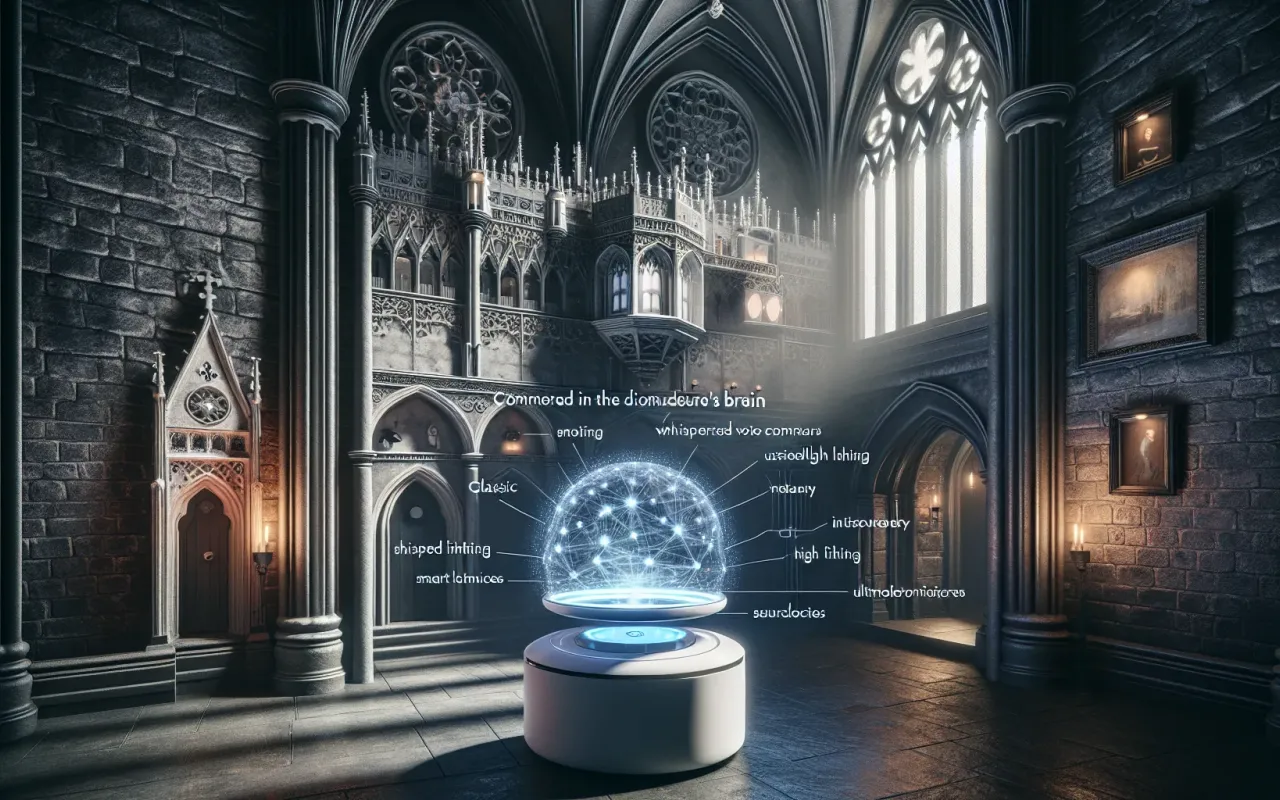
Discover how integrating voice assistants in smart homes is transforming modern living with enhanced convenience, security, and energy efficiency.
- September 24, 2024
AceShowbiz - Modern living is evolving at a rapid pace, characterized by smart technology that enhances convenience, security, and efficiency in our daily lives. One of the most significant advancements in recent years is the integration of voice assistants in smart homes. By leveraging the power of voice-controlled technology, homeowners are experiencing a revolution in how they manage their households. In this article, we will delve into the various facets of integrating voice assistants in smart homes, exploring their advantages, applications, and potential challenges.
Understanding Voice Assistants and Smart Homes
Voice assistants are intelligent software applications that respond to voice commands, offering users the ability to control various devices and perform tasks through spoken instructions. Popular voice assistants include Amazon Alexa, Google Assistant, Apple Siri, and Microsoft Cortana. These voice-activated helpers have become integral components of smart home ecosystems, which are networks of interconnected devices designed to automate and enhance various aspects of daily living.
Advantages of Integrating Voice Assistants in Smart Homes
Enhanced Convenience and Accessibility
One of the primary benefits of integrating voice assistants in smart homes is the unparalleled convenience they offer. With simple voice commands, homeowners can control lighting, thermostats, entertainment systems, and more without the need for physical interaction. This ease of use is particularly beneficial for individuals with limited mobility or disabilities, providing greater accessibility and autonomy.
Increased Efficiency and Energy Savings
Voice assistants can contribute to significant energy savings by optimizing the operation of smart home devices. For instance, users can set routines for their thermostats to adjust temperatures based on occupancy or weather forecasts. Additionally, voice assistants can manage lighting systems to ensure that lights are only on when needed, reducing unnecessary energy consumption.
Improved Security and Safety
Integrating voice assistants in smart homes can enhance security by enabling voice-activated controls for alarm systems, surveillance cameras, and door locks. Homeowners can receive real-time alerts and even monitor their properties remotely. Furthermore, voice assistants can provide valuable support during emergencies by contacting authorities or loved ones with specific voice commands.
Applications of Voice Assistants in Smart Homes
Home Automation
Voice assistants serve as the central hub for home automation, allowing users to create and manage a cohesive smart home system. By connecting various devices such as smart plugs, bulbs, and appliances, homeowners can automate daily routines and enjoy seamless control over their environment.
Entertainment and Recreation
Voice assistants enhance entertainment experiences by offering hands-free control over audio-visual systems, streaming services, and gaming consoles. Users can effortlessly play music, watch movies, or adjust speaker settings with voice commands, creating a more immersive and enjoyable atmosphere.
Health and Wellness
Voice assistants can contribute to health and wellness by integrating with smart fitness equipment, sleep trackers, and medical devices. Users can receive personalized health insights, reminders for medication, and even access virtual workouts. This integration supports a proactive approach to maintaining physical and mental well-being.
Challenges and Considerations
Privacy and Security Concerns
While voice assistants offer numerous benefits, privacy and security remain significant concerns. The constant listening capabilities of these devices may raise questions about data privacy and the potential for unauthorized access. It is crucial for users to understand and configure privacy settings, keeping software up to date to mitigate risks.
Compatibility Issues
As the smart home market grows, ensuring compatibility between various devices and voice assistants can be challenging. Not all devices are universally compatible, so users must carefully select products that work seamlessly within their existing ecosystems. This due diligence helps avoid frustration and maximizes the utility of the smart home setup.
Dependence on Internet Connectivity
Voice assistants rely heavily on stable internet connections to function correctly. Any disruption in connectivity can hinder the performance of smart home devices and services. Homeowners should consider backup internet solutions to maintain the reliability of their smart home systems.
Conclusion
Integrating voice assistants in smart homes is revolutionizing modern living by providing enhanced convenience, efficiency, and security. These intelligent helpers streamline daily tasks, offer personalized recommendations, and create a more connected and harmonious living environment. However, it is essential to address privacy, compatibility, and connectivity considerations to fully experience the benefits of this technology. As voice assistants continue to evolve, their role in shaping the future of smart homes will undoubtedly expand, leading to even more innovative and transformative applications.
In conclusion, embracing the integration of voice assistants in smart homes is a step towards a smarter, more efficient, and enjoyable lifestyle. By understanding their advantages and potential challenges, homeowners can make informed decisions and leverage this technology to its fullest potential.