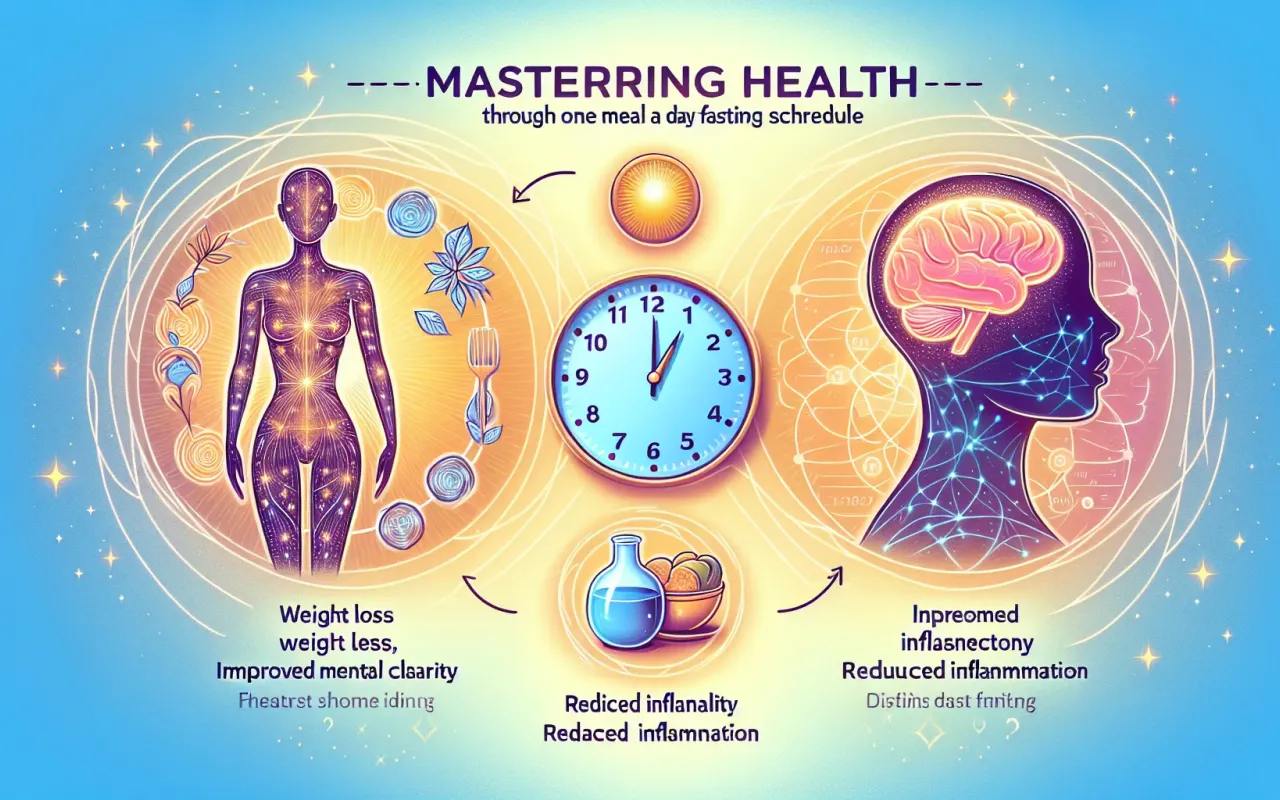
Discover the benefits and tips for implementing a One Meal a Day (OMAD) fasting schedule. Learn how OMAD can improve your health and get practical advice for a successful transition.
- September 24, 2024
For those striving to improve their health through diet, the One Meal a Day (OMAD) fasting schedule is gaining significant attention. Practitioners laud it for its simplicity and profound health benefits. This article delves into the advantages of the OMAD fasting schedule, offers practical tips for implementation, and addresses common concerns. Whether you're new to intermittent fasting or an experienced faster looking to deepen your practice, this guide will provide you with the knowledge to make an informed decision.
What is the One Meal a Day (OMAD) Fasting Schedule?
The One Meal a Day fasting schedule is a type of intermittent fasting that restricts eating to a single meal per day. This entails fasting for approximately 23 hours and consuming all your daily calories within a 1-hour window. Unlike other forms of intermittent fasting, which allow multiple small meals, OMAD condenses eating into a highly focused and time-efficient routine.
Benefits of the One Meal a Day Fasting Schedule
1. Weight Loss and Management
One of the most immediate benefits of OMAD is weight loss. By restricting your eating window, you naturally decrease your overall calorie intake. Additionally, fasting for extended periods promotes autophagy, a process where your body cleans out damaged cells and regenerates new ones, contributing to weight management and improvement in metabolic health.
2. Improved Insulin Sensitivity
OMAD can significantly improve insulin sensitivity, making it beneficial for individuals with insulin resistance or type 2 diabetes. When you fast, your insulin levels drop, allowing your body to better manage blood sugar levels. This can help reduce the risk of developing diabetes and improve overall metabolic health.
3. Enhanced Mental Clarity and Focus
Participants in the OMAD fasting schedule often report heightened mental clarity and focus. This is thought to be due to the optimization of ketone production and an increase in brain-derived neurotrophic factor (BDNF), which supports cognitive function and neuroplasticity.
4. Simplified Meal Planning
With only one meal to plan, shop for, and prepare, OMAD simplifies your dietary routine. This can lead to less stress around food, more time for other activities, and potentially significant cost savings on groceries.
5. Potential Longevity Benefits
Studies on caloric restriction and intermittent fasting suggest potential longevity benefits. Fasting has been linked with prolonged lifespan in various organisms by reducing oxidative stress and inflammation and improving mitochondrial health.
Tips for a Successful Transition to OMAD
1. Start Gradually
Jumping straight into OMAD from a typical eating schedule can be challenging. Begin with more conventional intermittent fasting methods, such as the 16:8 schedule, and slowly increase your fasting window over time.
2. Stay Hydrated
Hydration is crucial, especially when fasting. Drink plenty of water, and consider adding electrolytes to your regimen to prevent dehydration and ensure balanced minerals.
3. Focus on Nutrient-Dense Foods
Since you only have one meal a day, it's crucial that it includes all essential nutrients. Aim for a balanced meal with lean proteins, healthy fats, fiber-rich vegetables, and some complex carbohydrates.
4. Manage Hunger with Healthy Snacks Initially
During the initial stages, allow yourself healthy snacks like nuts, fruits, or vegetables to manage hunger. Gradually wean off these as your body adapts to the new regimen.
5. Listen to Your Body
Pay attention to how your body responds. If you experience severe discomfort, dizziness, or prolonged fatigue, reconsider your approach and consult with a healthcare professional.
Common Concerns and Solutions
1. Fear of Muscle Loss
One common concern with OMAD is potential muscle loss. This can be mitigated by ensuring adequate protein intake and incorporating resistance training into your exercise routine. Some studies suggest that intermittent fasting itself can support muscle maintenance when properly managed.
2. Social Impacts
Eating only one meal can sometimes pose social challenges, such as during family meals or social gatherings. Plan your eating window around social events when feasible and communicate your dietary choices with loved ones to gain their support.
3. Nutritional Deficiencies
There’s a risk of nutritional deficiencies if the single meal is not well-balanced. Consider using supplements to cover any potential gaps and periodically consult with a nutritionist to ensure you're meeting your nutritional needs.
Conclusion
The One Meal a Day fasting schedule offers numerous benefits, from weight loss and improved insulin sensitivity to enhanced mental clarity. By starting gradually, staying hydrated, and focusing on nutrient-dense foods, you can set yourself up for success and reap the potential health rewards of this fasting regimen. Like any significant dietary change, it's essential to listen to your body and consult with healthcare professionals as needed to ensure it aligns with your individual health needs.