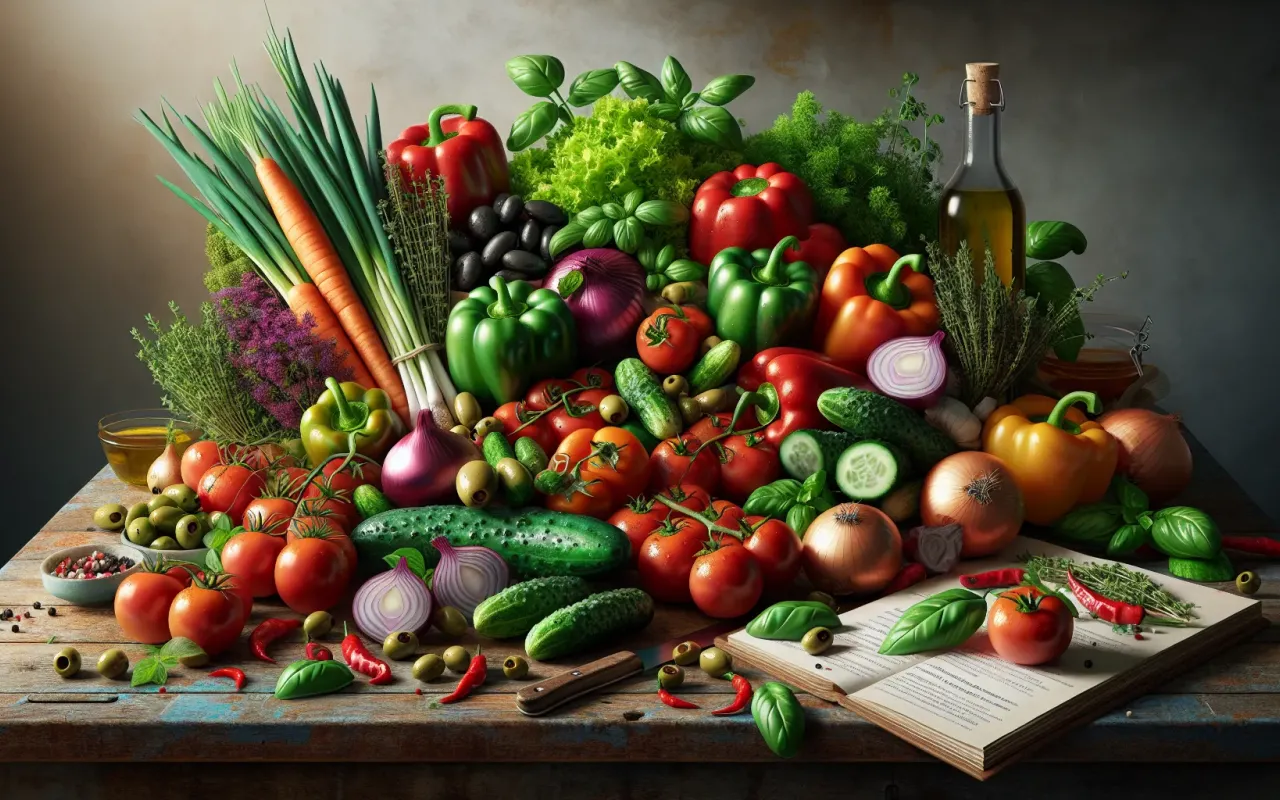
Discover how incorporating fresh vegetables into your Mediterranean diet recipes can improve your health and well-being. Learn about top vegetable choices, benefits, and recipe ideas.
- September 23, 2024
The Mediterranean diet has long been celebrated for its numerous health benefits, including reducing the risk of chronic diseases and enhancing longevity. Central to this diet are fresh vegetables, which not only add vibrant flavors and textures to meals but also pack a nutritional punch. In this article, we'll delve into why fresh vegetables are essential for Mediterranean diet recipes, explore the health benefits they offer, and provide tips on incorporating these nutritional powerhouses into your daily meals.
The Importance of Fresh Vegetables in the Mediterranean Diet
The Mediterranean diet emphasizes whole, minimally processed foods, with a significant focus on plant-based ingredients, including a variety of fresh vegetables. These vegetables are not only key to the diet's characteristic flavors but also contribute to its health-promoting properties.
Nutrient-Rich Profile
Fresh vegetables are packed with essential vitamins, minerals, and antioxidants that support overall health. For instance, tomatoes are rich in vitamin C and lycopene, a powerful antioxidant, while leafy greens like spinach and kale provide iron, calcium, and a wealth of other nutrients.
Low in Calories, High in Fiber
One of the reasons why fresh vegetables are fundamental to the Mediterranean diet is their low calorie and high fiber content. Consuming a variety of vegetables can help regulate digestion, prevent overeating, and promote a healthy weight.
Anti-Inflammatory Properties
Many fresh vegetables contain compounds that help reduce inflammation in the body. For example, bell peppers and cruciferous vegetables like broccoli and Brussels sprouts have been shown to possess anti-inflammatory properties, which can help in managing chronic conditions such as heart disease and arthritis.
Top Fresh Vegetables for Mediterranean Diet Recipes
While the Mediterranean diet includes a wide array of vegetables, certain ones stand out due to their nutritional profiles and culinary versatility. Here are some top choices to incorporate into your meals:
Tomatoes
Tomatoes are a staple in Mediterranean cuisine, used in salads, sauces, and soups. They're a great source of vitamin C, potassium, and lycopene, which has been linked to reduced risk of certain cancers and heart disease.
Leafy Greens
Leafy greens such as spinach, kale, and Swiss chard are rich in fiber, vitamins A, C, and K, and minerals like iron and calcium. They can be used in salads, sautés, and as a nutrient-dense base for various dishes.
Bell Peppers
Available in a variety of colors, bell peppers are not only high in vitamin C but also add a sweet, crisp texture to dishes. They can be roasted, stuffed, or added to salads and stir-fries.
Eggplants
Eggplants are versatile vegetables used in Mediterranean dishes like ratatouille and moussaka. They're a good source of fiber, vitamins B1 and B6, and antioxidants.
Artichokes
Artichokes are known for their unique flavor and texture. They're rich in fiber, vitamin C, and antioxidants, making them a healthy addition to salads, pasta dishes, and dips.
Integrating Fresh Vegetables into Your Mediterranean Diet
Incorporating fresh vegetables into your Mediterranean diet is easier than you might think. Here are some practical tips and recipe ideas to help you get started:
Salads
Salads are a simple yet delicious way to enjoy a variety of fresh vegetables. Combine leafy greens with tomatoes, cucumbers, bell peppers, olives, and a drizzle of extra virgin olive oil for a refreshing and nutritious meal.
Grilled Vegetables
Grilling is a common cooking method in Mediterranean cuisine that brings out the natural flavors of vegetables. Try grilling zucchini, eggplant, and bell peppers, and serve them as a side dish or add them to sandwiches and wraps.
Vegetable-Based Soups and Stews
Soups and stews are excellent ways to incorporate multiple vegetables into one dish. Examples include minestrone, a hearty Italian soup with beans and vegetables, and ratatouille, a French Provençal stew made with eggplant, zucchini, and tomatoes.
Stuffed Vegetables
Stuffing vegetables like bell peppers, tomatoes, and zucchini with a mixture of grains, herbs, and sometimes lean proteins can create a satisfying and nutritious meal. These dishes are also a great way to use leftover ingredients creatively.
Homemade Sauces and Dips
Another way to enjoy fresh vegetables is by making homemade sauces and dips. For example, a fresh tomato sauce can be used for pasta or bruschetta, while a spinach and artichoke dip can be a nutritious snack paired with whole-grain pita chips or vegetable sticks.
Health Benefits of a Vegetable-Rich Mediterranean Diet
Embracing fresh vegetables in your Mediterranean diet offers numerous health benefits that contribute to overall well-being.
Heart Health
Fresh vegetables, combined with other heart-healthy components of the Mediterranean diet such as olive oil, nuts, and whole grains, can significantly reduce the risk of heart disease. The fiber, potassium, and antioxidants in vegetables help maintain healthy blood pressure and cholesterol levels.
Weight Management
A diet rich in vegetables can aid in weight management by providing essential nutrients without excessive calories. The high fiber content helps keep you feeling full and satisfied, reducing the likelihood of overeating.
Diabetes Prevention and Management
The Mediterranean diet, abundant in fresh vegetables, low-glycemic fruits, and whole grains, has been shown to improve blood sugar control and reduce the risk of type 2 diabetes. The emphasis on fiber-rich vegetables helps stabilize blood sugar levels and enhance insulin sensitivity.
Longevity and Disease Prevention
Studies have shown that adherence to a Mediterranean diet rich in fresh vegetables is associated with longer life expectancy and lower incidence of chronic diseases such as cancer, neurodegenerative disorders, and obesity. The diet's anti-inflammatory and antioxidant properties play a crucial role in promoting long-term health.
Conclusion
Incorporating fresh vegetables into your Mediterranean diet is a delicious and effective way to enhance your health and well-being. From their nutrient-rich profiles to their role in disease prevention, fresh vegetables are truly indispensable in this esteemed diet. By exploring a variety of vegetables and incorporating them into a range of recipes, you can enjoy the full benefits of the Mediterranean diet while delighting your taste buds.
Remember, the key to success lies in the diversity and quality of the vegetables you choose. So, head to your local market, pick up some fresh produce, and start experimenting with Mediterranean diet recipes that will boost your health with every bite.