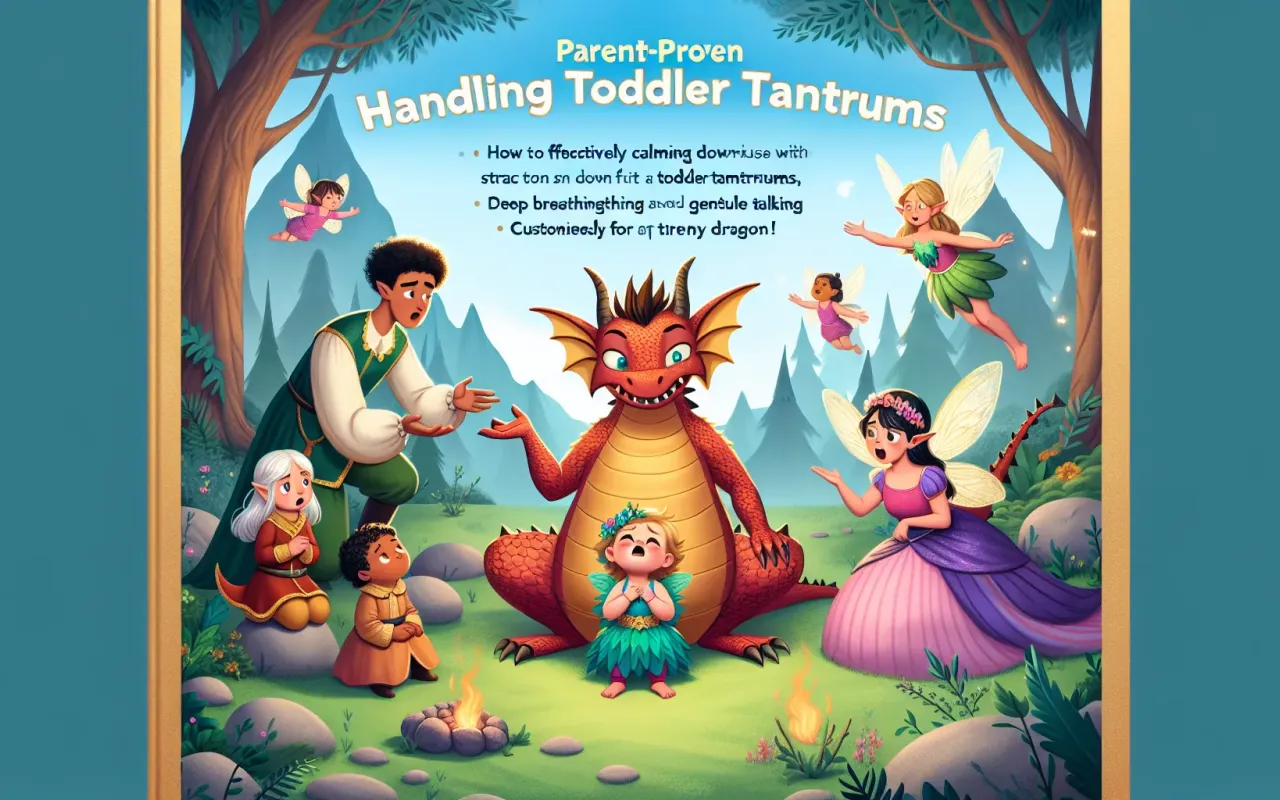
Expert strategies for effectively handling toddler tantrums. Learn how to understand, manage, and prevent tantrums with proven methods.
- September 23, 2024
AceShowbiz - Dealing with toddler tantrums is a common challenge faced by many parents and caregivers. Understanding the reasons behind these emotional outbursts and knowing how to manage them can make a significant difference in both the child's and the parent's experience. In this article, we will explore expert strategies for effectively handling toddler tantrums, backed by research and parent-proven methods.
Understanding Toddler Tantrums
What Causes Toddler Tantrums?
Toddler tantrums can be triggered by a variety of factors, including frustration, lack of communication skills, a need for attention, or overstimulation. Understanding these triggers is the first step in managing tantrums effectively.
Developmental Perspective
At around 1 to 3 years of age, children's brains are still developing, particularly in areas that control emotions and problem-solving. This can lead to intense emotional reactions when they encounter situations they cannot easily navigate or understand.
Proven Strategies for Managing Tantrums
Stay Calm and Composed
Your reaction to a tantrum can significantly influence its duration and intensity. Staying calm and composed can help de-escalate the situation and provide a model of self-control for your child.
Acknowledge and Validate Feelings
Let your child know that their feelings are heard and understood. Statements like “I see that you're upset†or “It's okay to feel angry†can help your child feel validated, which may reduce the intensity of the tantrum.
Use Distraction Techniques
Effective distraction strategies can redirect your child's attention away from the source of their frustration. Engaging them in a different activity, offering a favorite toy, or changing the environment can be helpful.
Set Clear Boundaries
Consistency is key when dealing with toddler behavior. Setting and maintaining clear boundaries helps provide structure and expectations, which can reduce the frequency and severity of tantrums over time.
Preventing Tantrums
Establish Routines
Regular routines provide a predictable structure that can help reduce anxiety and prevent tantrums. Consistent meal times, nap times, and bedtime routines can significantly improve a toddler's mood and behavior.
Encourage Communication
Developing your child's communication skills can help them express their needs and emotions more effectively, reducing frustration. Encourage your child to use words, sign language, or picture cards to communicate.
Offer Choices
Giving toddlers choices helps them feel a sense of control and autonomy. Simple choices like selecting between two snacks or two outfits can empower your child and potentially reduce tantrum incidents.
Know and Avoid Triggers
Paying attention to what triggers your child's tantrums and trying to avoid or mitigate these situations can be highly effective. If loud noises, hunger, or fatigue set off tantrums, plan ahead to minimize these triggers.
When to Seek Professional Help
While tantrums are a normal part of toddler development, excessive or very intense tantrums may require professional intervention. If you are concerned about your child's behavior, consider consulting a pediatrician or a child psychologist for guidance.
Conclusion
Dealing with toddler tantrums requires patience, understanding, and effective strategies. By staying calm, validating feelings, using distraction, setting boundaries, establishing routines, encouraging communication, offering choices, and knowing triggers, parents can manage and reduce the occurrence of tantrums. Remember, seeking professional help is always an option if you're concerned about your child's behavior. Applying these parent-proven strategies can help create a more harmonious environment for both you and your child.