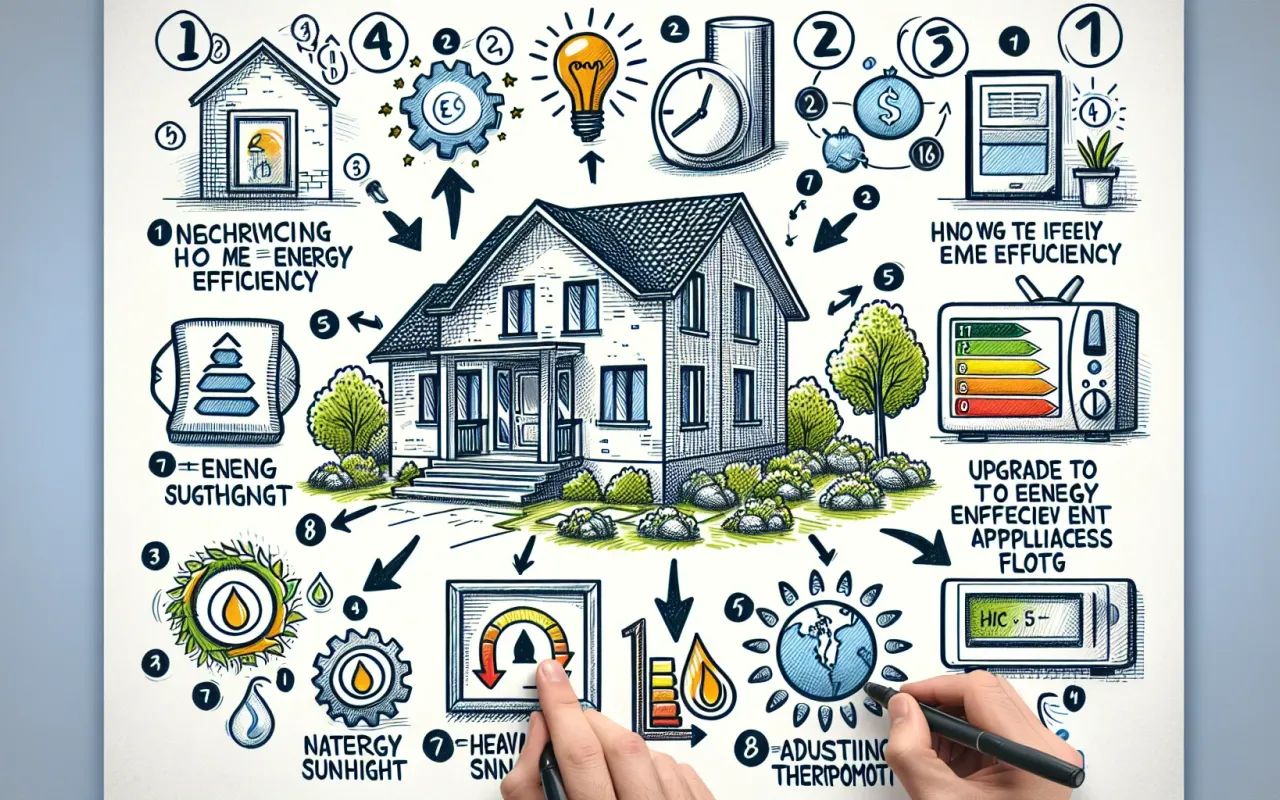
Discover practical and effective tips on how to improve home energy efficiency, reduce your carbon footprint, and save money on energy bills.
- September 21, 2024
With rising energy costs and an increasing focus on environmental sustainability, improving home energy efficiency has become a top priority for many homeowners. Not only can it reduce your carbon footprint, but it also helps save money on energy bills. In this comprehensive guide, we will explore ten proven tips on how to improve home energy efficiency effectively.
1. Upgrade to Energy-Efficient Appliances
One of the most impactful ways to boost home energy efficiency is by upgrading to energy-efficient appliances. Modern appliances, such as refrigerators, washing machines, and dishwashers, are designed to use less water and electricity compared to older models. Look for appliances with the ENERGY STAR® label, which signifies they meet or exceed energy efficiency standards set by the U.S. Environmental Protection Agency.
2. Improve Insulation and Seal Leaks
Proper insulation is crucial for maintaining a consistent indoor temperature and reducing energy costs. Inspect your home for any air leaks, especially around windows, doors, and the attic. Sealing these leaks with weatherstripping or caulking prevents heated or cooled air from escaping, making your home more energy-efficient.
3. Install Programmable Thermostats
Installing a programmable thermostat allows you to control your home's temperature settings based on your schedule. By automatically adjusting the temperature when you're not at home or during nighttime hours, you can significantly reduce energy consumption without sacrificing comfort.
4. Use Energy-Efficient Lighting
Lighting accounts for a significant portion of household energy use. Switch to LED bulbs, which use up to 75% less energy and last 25 times longer than traditional incandescent bulbs. Additionally, consider installing dimmer switches and using natural light sources whenever possible to further reduce energy usage.
5. Maintain Your HVAC System
Your heating, ventilation, and air conditioning (HVAC) system plays a vital role in home energy efficiency. Regular maintenance, such as changing air filters, cleaning ducts, and scheduling professional tune-ups, ensures your HVAC system operates efficiently. An efficient HVAC system reduces energy consumption and prolongs the lifespan of your equipment.
6. Use Smart Power Strips
Electronic devices on standby mode still consume energy. Smart power strips can reduce this phantom energy use by automatically shutting off power to devices that are not in use. This simple switch can lower your overall energy consumption and save on electricity costs.
7. Upgrade Windows and Doors
Old and drafty windows and doors can significantly impact your home's energy efficiency. Consider upgrading to energy-efficient windows and doors with double or triple glazing and insulated frames. These improvements help maintain indoor temperatures and cut down on heating and cooling costs.
8. Utilize Solar Energy
Harnessing solar energy is an excellent way to improve home energy efficiency. Installing solar panels on your roof can generate clean and renewable energy, reducing reliance on traditional energy sources. Additionally, solar water heaters and solar-powered outdoor lights are practical and cost-saving alternatives.
9. Optimize Water Heating
Water heating is one of the largest energy expenses in homes. Lower your water heater's thermostat to 120°F to save energy and reduce costs. Insulating your water heater and hot water pipes can also minimize heat loss and improve efficiency.
10. Practice Energy-Saving Habits
Small changes in daily habits can have a significant impact on home energy efficiency. Turning off lights when leaving a room, unplugging devices when they're not in use, washing clothes in cold water, and air drying laundry are simple yet effective ways to reduce energy consumption.
Conclusion
Improving home energy efficiency is a multifaceted approach that involves upgrading appliances, performing regular maintenance, sealing air leaks, and making conscious daily choices. By implementing these ten proven tips, you can effectively reduce your energy consumption, save money, and contribute to a more sustainable future.