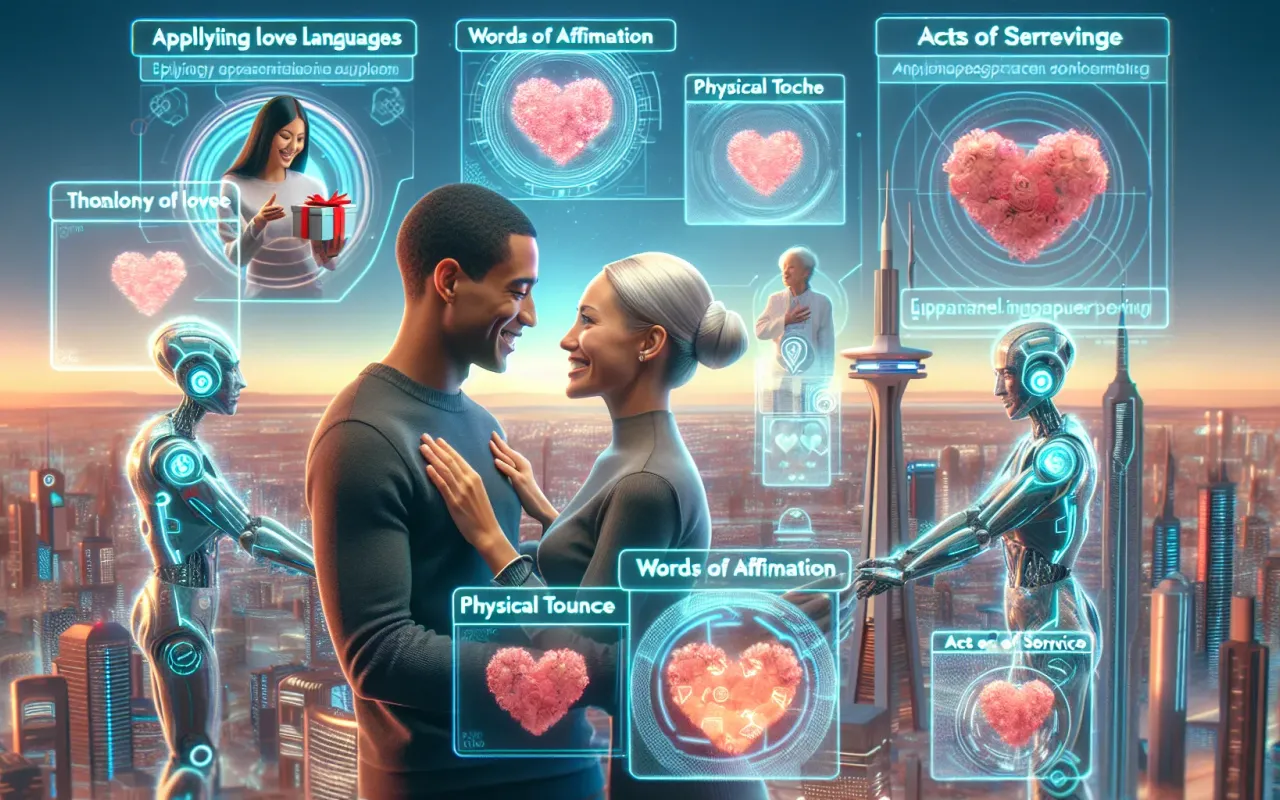
Discover how applying love languages in marriage can lead to a deeper connection and lasting happiness. Learn practical tips and strategies to enhance your relationship.
- September 19, 2024
Marriage is a beautiful union that thrives on mutual understanding, respect, and love. One essential element that can significantly enhance your marital bond is understanding and applying love languages. In this article, we delve into the concept of love languages and provide practical ways to incorporate them into your marriage for long-lasting happiness.
Understanding Love Languages
Love languages, a concept introduced by Dr. Gary Chapman in his book "The 5 Love Languages," refer to five unique ways individuals express and interpret love. Everyone has a primary and secondary love language that speaks volumes to them. The five love languages are:
- Words of Affirmation: Expressing love through verbal compliments, appreciation, and words of encouragement.
- Acts of Service: Showing love by performing actions that ease your partner’s burden or make their life easier.
- Receiving Gifts: Feeling loved when receiving thoughtful presents that show you are cared for.
- Quality Time: Giving undivided attention to your partner and spending meaningful time together.
- Physical Touch: Expressing love through physical contact such as holding hands, hugging, or kissing.
The Importance of Identifying Your Love Language
Identifying and understanding both your own and your partner’s love languages is crucial in creating a thriving marriage. When you know each other's love languages, you can tailor your actions and words to meet your partner’s emotional needs, thereby fostering love and appreciation.
How to Discover Your Love Languages
Self-Assessment
Begin by reflecting on what makes you feel most loved and appreciated. Think about the times when you felt genuinely happy and cared for by your partner.
Communication
Discuss with your partner about what makes both of you feel loved. Open and honest communication can unveil insights into each other's love languages.
Online Quizzes
Several online quizzes based on Dr. Chapman's book can help you and your partner determine your primary love languages. These quizzes are quick and provide a good starting point.
Applying Love Languages in Marriage
Words of Affirmation
Regularly compliment and express appreciation for your partner. A simple “I love you†or “You mean the world to me†can significantly boost your partner’s mood and self-esteem.
Acts of Service
Show love through helpful actions. Whether it’s doing household chores without being asked or running errands for your partner, these acts demonstrate your care and consideration.
Receiving Gifts
Thoughtful gifts, regardless of their monetary value, can make a significant impact. It’s the gesture and thoughtfulness behind the gift that matter the most.
Quality Time
Spend meaningful time together without distractions. Schedule regular date nights, engage in activities you both enjoy, and ensure your partner feels valued and cherished during these moments.
Physical Touch
Incorporate physical touch into your daily interactions. Hugs, kisses, and holding hands can strengthen your emotional connection and make your partner feel loved and secure.
Overcoming Challenges
Understanding and applying love languages can sometimes be challenging due to differences in love language preferences. Here are a few strategies to overcome these challenges:
Be Patient
Adjusting to each other’s love languages takes time. Be patient with yourself and your partner as you navigate this new understanding.
Practice Regularly
Consistently practice expressing love in your partner’s love language. The more you do this, the more natural it will become.
Seek Professional Guidance
If you encounter persistent difficulties, consider seeking guidance from a marriage counselor. Professionals can offer tailored advice and strategies to help you and your partner connect better.
The Long-Term Benefits
Applying love languages in marriage can lead to numerous long-term benefits, including enhanced communication, a deeper emotional connection, and increased overall satisfaction in the relationship. Couples who understand and consistently apply each other's love languages often experience greater marital harmony and resilience during challenging times.
Conclusion
Applying love languages in marriage is a powerful tool for fostering understanding, connection, and lasting happiness. By identifying and consistently expressing love in ways that are meaningful to your partner, you can create a more fulfilling and harmonious relationship. Begin incorporating love languages into your daily interactions and witness the transformative impact it can have on your marriage.