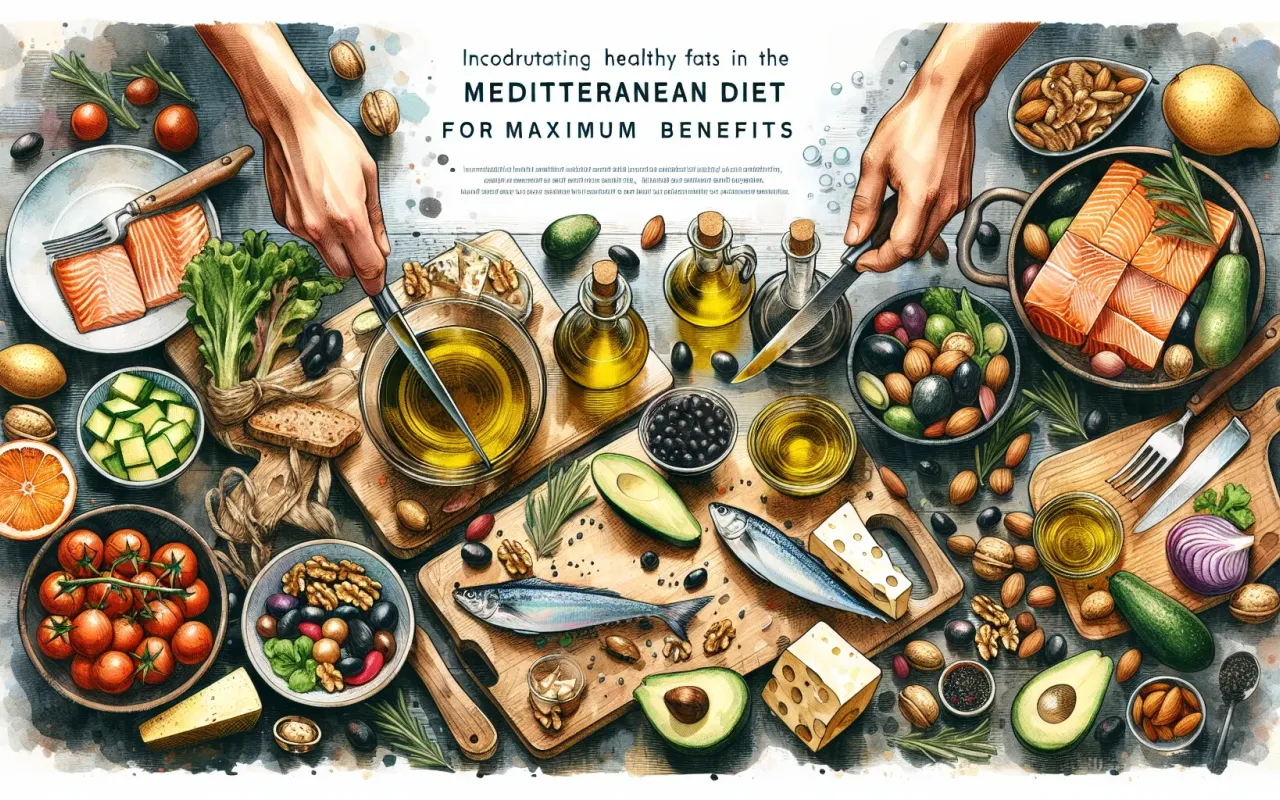
Learn how to incorporate healthy fats in the Mediterranean diet for maximum health benefits. Discover the best sources of healthy fats and how to integrate them into your meals for optimal nutrition.
- September 19, 2024
AceShowbiz - The Mediterranean diet is renowned for its numerous health benefits, including promoting heart health, supporting weight management, and reducing the risk of chronic diseases. One of the central components of this diet is the inclusion of healthy fats, which play a critical role in achieving these benefits. This article will guide you on how to incorporate healthy fats in the Mediterranean diet for maximum benefits.
Understanding Healthy Fats
Before diving into the specifics of the Mediterranean diet, it's essential to understand what qualifies as healthy fats. Healthy fats, also known as unsaturated fats, are primarily divided into monounsaturated fats (MUFAs) and polyunsaturated fats (PUFAs). These fats are crucial for maintaining cellular structure, supporting brain health, and providing long-lasting energy.
Monounsaturated Fats (MUFAs)
MUFAs are found in a variety of plant-based oils and foods. Some of the best sources of monounsaturated fats include:
- Olive oil
- Avocados
- Nuts (almonds, hazelnuts, pecans)
- Seeds (pumpkin, sesame)
Polyunsaturated Fats (PUFAs)
PUFAs include omega-3 and omega-6 fatty acids, which are essential for various bodily functions. Key sources of polyunsaturated fats are:
- Fatty fish (salmon, mackerel, sardines)
- Walnuts
- Flaxseeds
- Chia seeds
- Sunflower oil
Incorporating Healthy Fats in the Mediterranean Diet
The Mediterranean diet naturally emphasizes the consumption of healthy fats. Here are some practical tips to ensure you're getting the most out of these beneficial fats in your diet.
Use Olive Oil Liberally
Olive oil, especially extra virgin olive oil, is a staple in the Mediterranean diet. It's a rich source of monounsaturated fats and antioxidants. To incorporate more olive oil into your diet:
- Use it as your primary cooking oil.
- Drizzle it over salads, vegetables, and whole grain dishes.
- Use it as a dip for whole-grain bread, seasoned with herbs and spices.
Add Avocados to Your Meals
Avocados are packed with MUFAs, fiber, and various essential nutrients. Here are some ideas to add avocados to your Mediterranean diet:
- Include sliced avocado in your salads and sandwiches.
- Make guacamole as a healthy dip or spread.
- Add avocado to smoothies for a creamy texture.
Incorporate More Nuts and Seeds
Nuts and seeds are excellent sources of both MUFAs and PUFAs. They also provide protein, fiber, and various vitamins and minerals. Ways to add them to your diet include:
- Sprinkle nuts and seeds over salads and yogurt.
- Use nut butters as a spread or in smoothies.
- Add ground flaxseeds or chia seeds to your breakfast cereal or oatmeal.
Maximizing the Benefits of Healthy Fats
To achieve the maximum health benefits from healthy fats, it’s important to balance your intake and complement it with other components of the Mediterranean diet.
Pair with a Rainbow of Vegetables
Vegetables are a cornerstone of the Mediterranean diet, providing essential vitamins, minerals, and antioxidants. Pairing healthy fats with vegetables can enhance the absorption of fat-soluble vitamins (A, D, E, K). Aim to fill half your plate with a variety of colorful vegetables.
Choose Whole Grains
Whole grains such as brown rice, quinoa, and whole wheat are integral to the Mediterranean diet. They provide fiber, which aids in digestion and helps to keep you full. Combining whole grains with healthy fats can provide sustained energy throughout the day.
Enjoy Seafood Regularly
Fish, especially fatty fish, is a core component of the Mediterranean diet. It’s an excellent source of omega-3 PUFAs, which have been shown to benefit heart health and reduce inflammation. Aim to include fish in your diet at least twice a week.
Moderation and Diversity
While incorporating healthy fats is essential, it's equally important to consume them in moderation. The Mediterranean diet is balanced and diverse, including a wide range of foods in appropriate portions. Avoid overconsumption of any single type of fat, and strive for a variety of foods to ensure a broad spectrum of nutrients.
Conclusion
Incorporating healthy fats in the Mediterranean diet is a delightful and beneficial way to promote overall health. By focusing on sources like olive oil, avocados, nuts, seeds, and fatty fish, you can harness the power of MUFAs and PUFAs to support heart health, brain function, and overall well-being. Remember to balance these fats with a variety of vegetables, whole grains, and other nutrient-dense foods to maximize the benefits. By making informed choices and enjoying a diverse range of foods, you can successfully incorporate healthy fats into your Mediterranean diet for maximum benefits.
For sustained health, always consult with a healthcare provider or a nutritionist to tailor dietary choices to your individual needs.