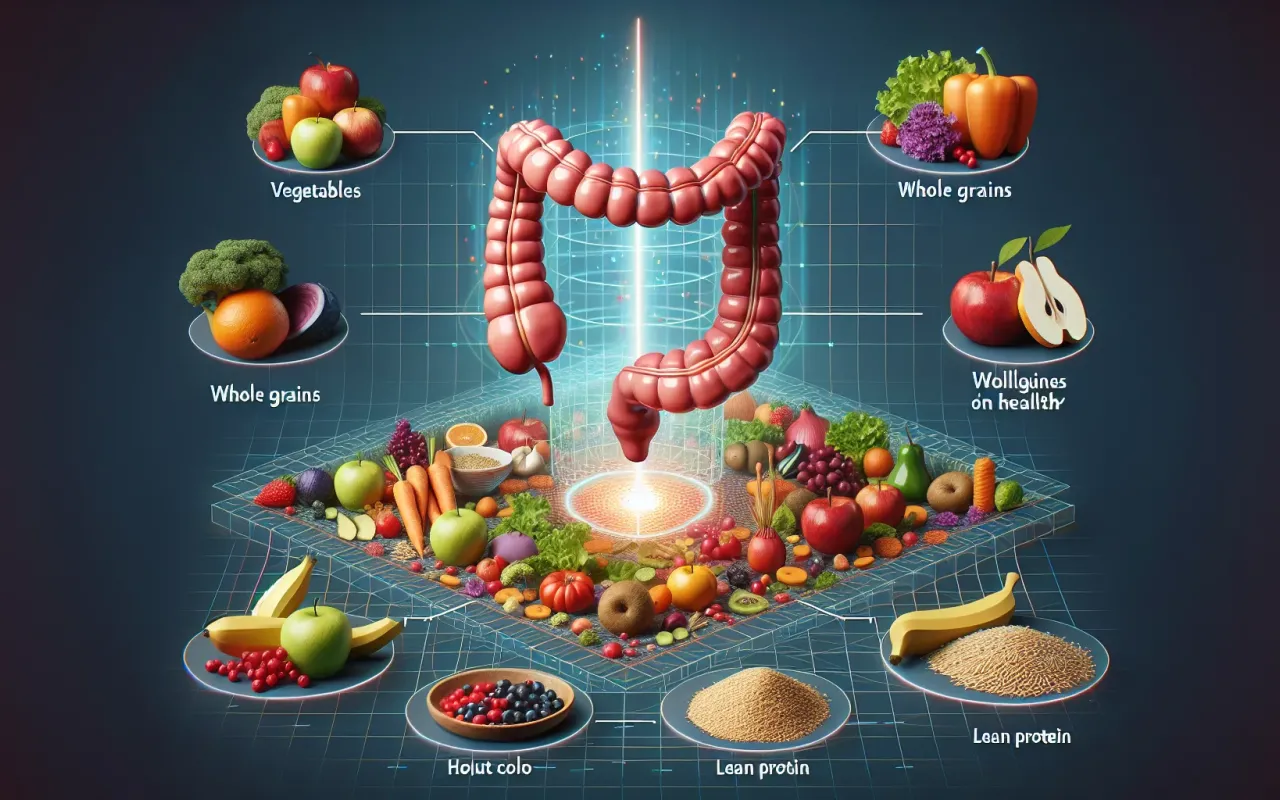
Learn how to optimize your wellness with an effective colon health diet plan. Discover valuable tips, foods to include, and habits to maintain for better digestive health.
- September 18, 2024
Maintaining optimal colon health is crucial for overall wellness. A well-planned colon health diet can aid in better digestion, improve nutrient absorption, and even reduce the risk of various digestive diseases. This article provides a detailed colon health diet plan to help you achieve and maintain a healthy colon.
Understanding Colon Health
The colon, also known as the large intestine, plays a vital role in the digestive process. It absorbs water and electrolytes from undigested food while forming and eliminating waste. Poor colon health can lead to issues such as constipation, irritable bowel syndrome (IBS), and colon cancer. To keep your colon functioning optimally, it's essential to focus on diet and lifestyle adjustments.
The Role of Diet in Colon Health
Diet is a significant factor influencing colon health. A balanced diet rich in fiber, antioxidants, and probiotics can enhance colon functionality and prevent digestive issues. Here are some key dietary components to include in your colon health diet plan.
1. High-Fiber Foods
Fiber is essential for a healthy colon. It adds bulk to the stool, making it easier to pass and reducing the risk of constipation. Sources of dietary fiber include:
- Whole grains such as oats, barley, and brown rice
- Fruits like apples, berries, and pears
- Vegetables such as broccoli, carrots, and spinach
- Legumes including beans, lentils, and chickpeas
2. Probiotics and Prebiotics
Probiotics are beneficial bacteria that support gut health, while prebiotics are non-digestible fibers that feed these bacteria. Incorporating both can enhance colon health. Probiotic-rich foods include:
- Yogurt
- Kefir
- Sauerkraut
- Kimchi
Prebiotic foods you should consider are:
- Garlic
- Onions
- Bananas
- Asparagus
3. Antioxidant-Rich Foods
Antioxidants neutralize harmful free radicals, reducing inflammation and the risk of colon diseases. Foods high in antioxidants include:
- Berries (blueberries, strawberries)
- Leafy greens (kale, spinach)
- Nuts and seeds
- Green tea
Foods to Avoid for a Healthy Colon
Just as some foods promote colon health, others can harm it. To maintain a healthy colon, limit or avoid the following:
1. Processed Foods
Processed foods often contain low fiber and high sugar, which can disrupt gut health. These include:
- Fast food
- Packaged snacks
- Refined grains (white bread, pasta)
2. Red and Processed Meats
High consumption of red and processed meats is linked to an increased risk of colon cancer. Reduce intake of:
- Beef
- Pork
- Sausages
- Bacon
3. High-Sugar Foods
Excessive sugar can promote harmful bacterial growth in the gut, leading to inflammation. Avoid:
- Sugary drinks
- Candy
- Baked goods with high sugar content
Healthy Habits to Support Colon Health
In addition to dietary choices, certain habits can further enhance colon health.
1. Stay Hydrated
Water is crucial for digestion and helps maintain stool softness, preventing constipation. Aim for at least 8 glasses a day.
2. Exercise Regularly
Regular physical activity stimulates digestive motility and can prevent constipation. Aim for at least 30 minutes of exercise most days of the week.
3. Regular Health Screenings
Regular colon screenings can help detect early signs of problems like colon cancer. Follow your healthcare provider's recommendations for screenings, especially if you're over 50 or have a family history of digestive diseases.
Sample Colon Health Diet Plan
Here's a simple day-by-day guide to help you start your colon health journey:
Breakfast
- Oatmeal topped with berries and a spoonful of flaxseeds
- Green tea
Mid-Morning Snack
- Greek yogurt with a drizzle of honey and a handful of nuts
Lunch
- Quinoa salad with mixed vegetables, chickpeas, and a lemon-tahini dressing
- A piece of fruit (apple or pear)
Afternoon Snack
- Carrot sticks with hummus
Dinner
- Grilled salmon with a side of steamed broccoli and brown rice
- Mixed greens salad with olive oil and balsamic vinegar
Conclusion
A well-structured colon health diet plan, combined with healthy habits, can significantly improve your digestive health and overall wellness. Begin by incorporating high-fiber foods, probiotics, antioxidants, and staying hydrated. Also, avoid processed and high-sugar foods, maintain regular exercise, and follow up with health screenings to ensure a healthy colon.
Take the first step towards a healthier you by following these guidelines and embarking on a journey to optimal colon health.