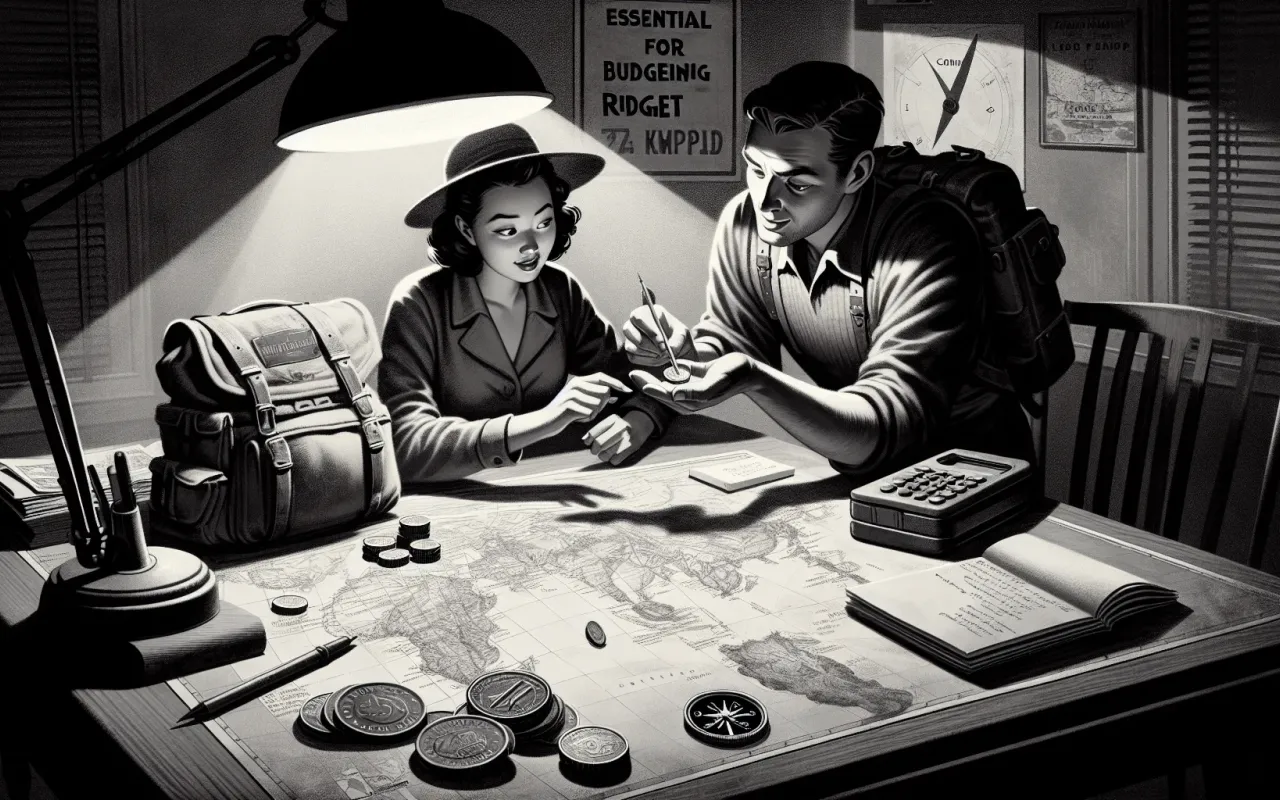
Learn how to budget for a backpacking trip with these essential tips and tricks. Find out how to save money, plan effectively, and make the most of your adventures.
- September 17, 2024
Backpacking is a thrilling and adventurous way to explore new destinations. However, without a proper budget, you may find yourself running out of funds before your journey ends. Creating a well-structured budget can ensure you get the most out of your trip without financial stress. Here are essential tips and tricks to help you budget effectively for your backpacking adventure.
Understanding Your Costs
Before you embark on your backpacking trip, it's crucial to understand the various costs involved. This includes accommodation, food, transportation, activities, and emergency funds. By knowing the potential expenses, you can plan accordingly and avoid unexpected financial surprises.
Accommodation
Accommodation can be one of the biggest expenses of your trip. Budget options include hostels, guesthouses, and budget hotels. Consider using platforms like Couchsurfing or work exchange programs such as WWOOF or Workaway to save money.
Food
Eating out frequently can quickly drain your budget. To save money, shop at local markets and cook your own meals. When you do eat out, opt for local street food, which is usually more affordable.
Transportation
Transportation costs can add up, especially if you’re traveling long distances. Use budget airlines, buses, and trains, and consider hitchhiking where safe. Renting a bicycle or walking can also save you money while providing a unique way to explore your destination.
Activities
Research free or low-cost activities in your destination. Many cities offer free walking tours, museums, and parks. Prioritize activities and attractions that are meaningful to you and look out for discounts or passes that can save you money.
Emergency Funds
Always allocate a portion of your budget for emergencies. Unplanned expenses, such as medical emergencies or last-minute transportation, can arise, and having a financial cushion will give you peace of mind.
Budgeting Tips and Strategies
Creating a detailed budget before your trip can help you manage your finances effectively. Here are some practical tips and strategies to keep your spending in check.
Create a Daily Budget
Break down your total trip budget into a daily allowance. This makes it easier to track your spending and ensure you don't run out of money halfway through your trip.
Use Budgeting Apps
There are several apps available that can help you track your expenses while on the go. Apps like Trail Wallet and TravelSpend are designed specifically for travelers, making it easy to stay within your budget.
Avoid Peak Tourist Seasons
Prices for accommodation, transportation, and activities can skyrocket during peak tourist seasons. Traveling during the off-season can help you save money and avoid crowds.
Plan and Book in Advance
Booking flights and accommodations in advance can often result in significant savings. Additionally, planning your itinerary ahead of time can help you budget more effectively by providing a clear picture of your expected expenses.
Be Flexible
Flexibility can be a huge advantage when it comes to saving money. Be willing to change your plans if you find a cheaper option or a better deal. Last-minute deals can sometimes offer great savings.
Saving Money on the Road
Once you're on the road, there are several ways to stretch your budget further without compromising on your experience.
Travel Slow
Slow travel allows you to immerse yourself in your destination and can also save you money. Fewer transportation costs and the ability to negotiate longer-term accommodation rates can make a big difference.
Volunteer
Volunteering with organizations that offer free room and board in exchange for work can be a great way to save money while having a meaningful experience. Platforms such as HelpX and Workaway connect travelers with volunteer opportunities.
House Sit
House sitting is another excellent way to save on accommodation costs while having a home base to explore from. Websites like TrustedHousesitters can connect you with homeowners looking for sitters.
Use Loyalty Programs
Many airlines, hotels, and even some bus and train companies offer loyalty programs that can lead to discounts or free services. Sign up for these programs and take advantage of the benefits they offer.
Conclusion
Budgeting for a backpacking trip may seem daunting, but with careful planning and strategic spending, it is entirely feasible. By understanding your costs, creating a budget, and adopting money-saving habits, you can enjoy a memorable adventure without financial strain. Start planning today and set out on your next backpacking adventure with confidence!