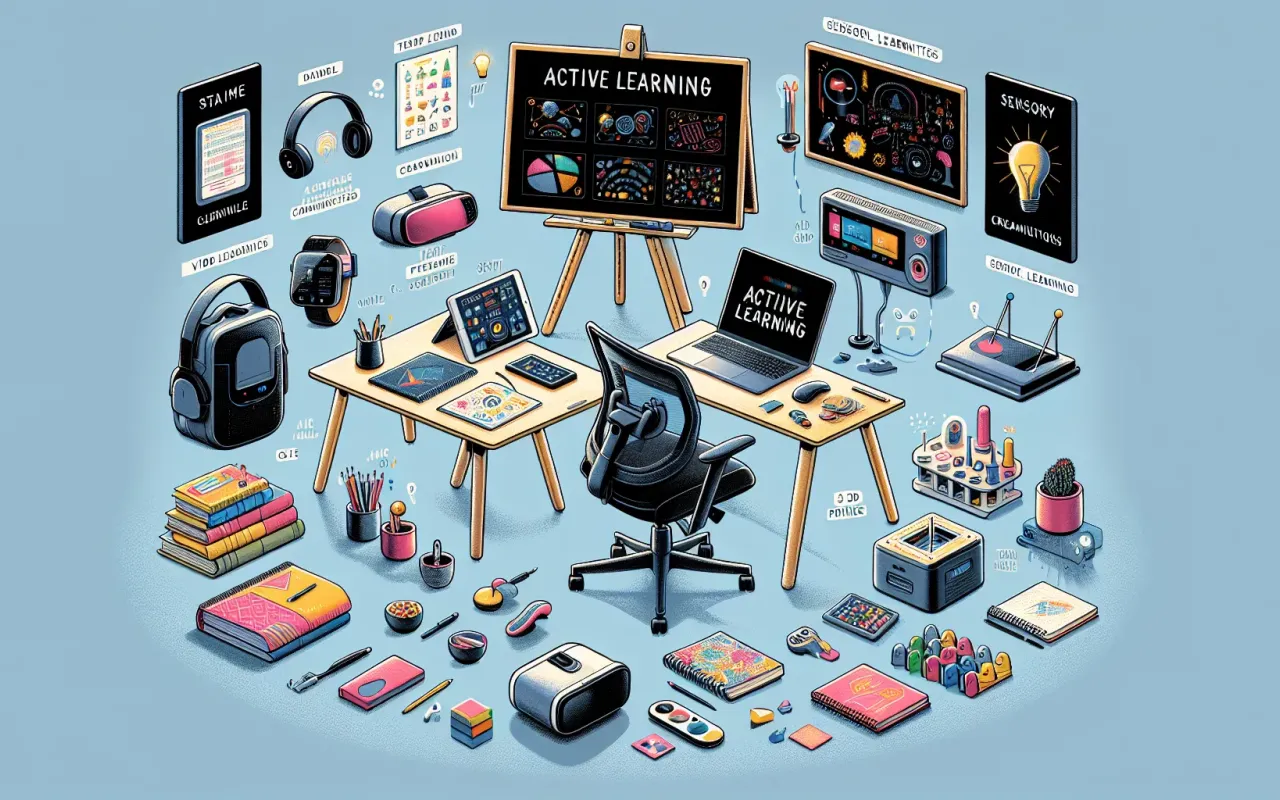
Discover the top 10 essential tools for active learning in 2024. Enhance your educational experience with these expert-recommended resources and techniques.
- September 17, 2024
Introduction
Active learning has become a pivotal approach in modern education, emphasizing engagement, participation, and critical thinking. With a plethora of tools available, selecting the right ones can significantly enhance the learning experience. In this article, we explore the top 10 essential tools for active learning in 2024. These tools are designed to foster interactivity, collaboration, and a deeper understanding of educational content.
1. Interactive Whiteboards
Interactive whiteboards have revolutionized the traditional classroom setting. These devices allow educators to present dynamic lessons that can be annotated in real-time. Popular brands like Promethean and SMART offer features that support a variety of multimedia content, making learning more engaging and visually stimulating.
2. Learning Management Systems (LMS)
Learning management systems such as Moodle, Canvas, and Blackboard provide a comprehensive platform for managing educational coursework. These systems facilitate communication, assignment submission, grading, and collaborative projects. LMS platforms are particularly useful for blended learning environments, integrating both in-person and online education.
3. Gamification Tools
Gamification introduces game-like elements into the learning process, making education more fun and engaging. Tools like Kahoot!, Quizizz, and Classcraft allow educators to create interactive quizzes and challenges that motivate students and reinforce learning through competition and rewards.
4. Virtual Reality (VR) and Augmented Reality (AR)
VR and AR technologies offer immersive learning experiences that can transport students to different environments and scenarios. Platforms like Google Expeditions and Nearpod VR enable virtual field trips and interactive 3D models, allowing learners to explore and interact with content in a way that's both educational and entertaining.
5. Collaboration Tools
Collaboration is a key aspect of active learning. Tools like Google Workspace, Microsoft Teams, and Slack facilitate real-time communication and teamwork. These platforms support file sharing, document editing, and project management, ensuring that students can work together efficiently regardless of their physical location.
6. Interactive Learning Apps
Interactive learning apps such as Duolingo, Khan Academy, and Coursera offer personalized and adaptive learning experiences. These apps use algorithms to tailor content to individual learning paces and styles, providing instant feedback and tracking progress meticulously.
7. Online Discussion Forums
Online discussion forums, hosted on platforms like Edmodo and Piazza, provide a space for students to ask questions, share insights, and engage in intellectual debates. These forums promote a collaborative learning environment where knowledge is constructed through interaction and discussion.
8. Digital Note-Taking Tools
Digital note-taking tools such as Evernote, OneNote, and Notion help students organize their thoughts and course materials efficiently. These apps offer features like cloud synchronization, multimedia embedding, and collaborative notes, making them an indispensable part of the active learning toolkit.
9. Formative Assessment Tools
Formative assessment tools like Socrative and Poll Everywhere provide real-time insights into student understanding and progress. These tools enable educators to create polls, quizzes, and surveys that help tailor instruction to meet students' needs, ensuring a more personalized learning experience.
10. Educational Video Platforms
Platforms like YouTube Education, TED-Ed, and Khan Academy deliver high-quality educational videos that can supplement classroom instruction. These videos cater to various subjects and learning levels, making complex concepts more digestible and accessible for all learners.
Conclusion
Active learning is essential for fostering a deeper understanding and retention of educational content. By integrating these 10 essential tools into the learning process, educators can create a more engaging, interactive, and effective learning environment. As we move further into 2024, these tools will continue to play a crucial role in shaping the future of education, making learning more dynamic and accessible for everyone.