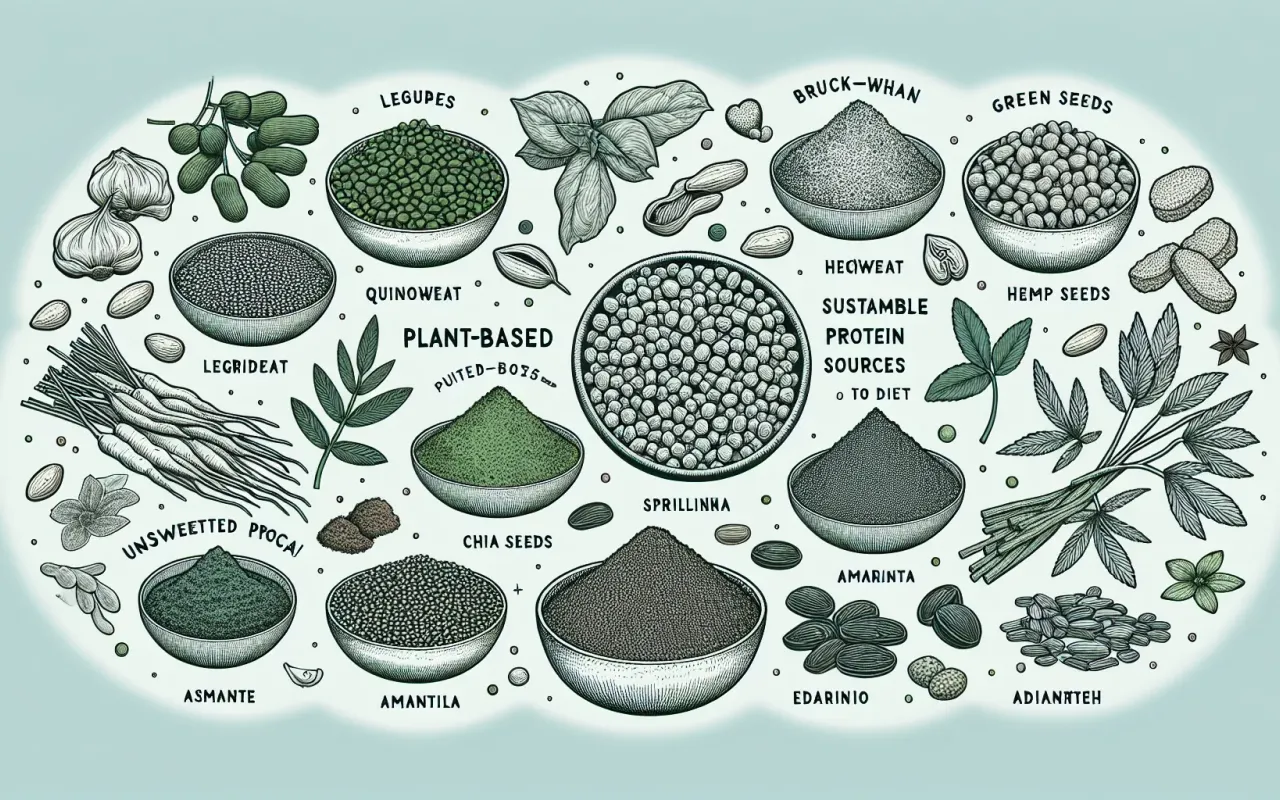
Discover 10 plant-based sustainable protein sources to enhance your diet. Learn about their benefits and how to incorporate them into your meals.
- September 16, 2024
As more people become conscious about their health and the environment, the popularity of plant-based diets has skyrocketed. One of the key factors in maintaining a balanced diet is having sufficient protein intake. Fortunately, there are numerous plant-based sustainable protein sources that can help you meet your nutritional needs without compromising on taste or the planet. In this article, we'll explore ten of the best options available.
1. Lentils
Lentils are a powerhouse of plant-based protein. With about 18 grams of protein per cooked cup, they provide a significant portion of your daily protein needs. Lentils are also rich in fiber, iron, and antioxidants. Their versatility makes them an excellent addition to soups, stews, salads, and even burgers.
2. Chickpeas
Chickpeas, or garbanzo beans, offer around 15 grams of protein per cooked cup. They are also high in essential vitamins and minerals like folate, iron, magnesium, and phosphorus. Whether in the form of hummus, falafel, or roasted chickpeas for a snack, they are both delicious and nutritious.
3. Quinoa
Quinoa is a complete protein, meaning it contains all nine essential amino acids. One cooked cup offers about 8 grams of protein. This ancient grain is also high in fiber, magnesium, and manganese. Use quinoa as a base for salads, in soups, or as a substitute for rice.
4. Tofu
Made from soybeans, tofu is an incredibly versatile and protein-rich food, providing around 10 grams of protein per half-cup. It's also a great source of calcium and iron. Tofu can be sautéed, grilled, or blended into smoothies, making it a versatile addition to any meal.
5. Tempeh
Tempeh, another soy-based product, offers even more protein than tofu, with about 21 grams per 3-ounce serving. This fermented product also contains probiotics, which benefit gut health. Tempeh can be marinated and grilled, added to stir-fries, or used in sandwiches and wraps.
6. Edamame
Edamame are young soybeans usually found in the pod. They provide about 17 grams of protein per cooked cup. Edamame are also rich in fiber, vitamin K, and antioxidants. Enjoy them as a snack, or add them to salads and pasta dishes for a protein boost.
7. Hemp Seeds
Hemp seeds are an excellent source of protein, providing about 10 grams per 3 tablespoons. They are also rich in omega-3 and omega-6 fatty acids. Hemp seeds can be sprinkled on salads, mixed into smoothies, or added to baked goods for a nutritious boost.
8. Chia Seeds
Chia seeds contain around 5 grams of protein per 2 tablespoons. They are also high in fiber and omega-3 fatty acids. Chia seeds can be used to make chia pudding, added to smoothies, or sprinkled on cereals and salads.
9. Spirulina
Spirulina is a blue-green algae that offers about 8 grams of protein per 2 tablespoons. It is also incredibly nutrient-dense, providing a range of vitamins and minerals. Spirulina can be added to smoothies, juices, or even taken as a supplement for an easy protein boost.
10. Green Peas
Green peas may not typically be considered a high-protein food, but they offer a respectable 9 grams of protein per cooked cup. They are also a good source of fiber, vitamins A, C, and K, and various minerals. Add green peas to salads, soups, and pasta dishes, or enjoy them as a simple side dish.
Conclusion
Incorporating plant-based sustainable protein sources into your diet is not only beneficial for your health but also for the environment. These ten protein-rich foods offer a variety of flavors and textures, ensuring that your meals are both nutritious and enjoyable. Whether you're entirely plant-based or just looking to reduce your meat consumption, these sustainable options provide ample protein to help you meet your dietary needs.