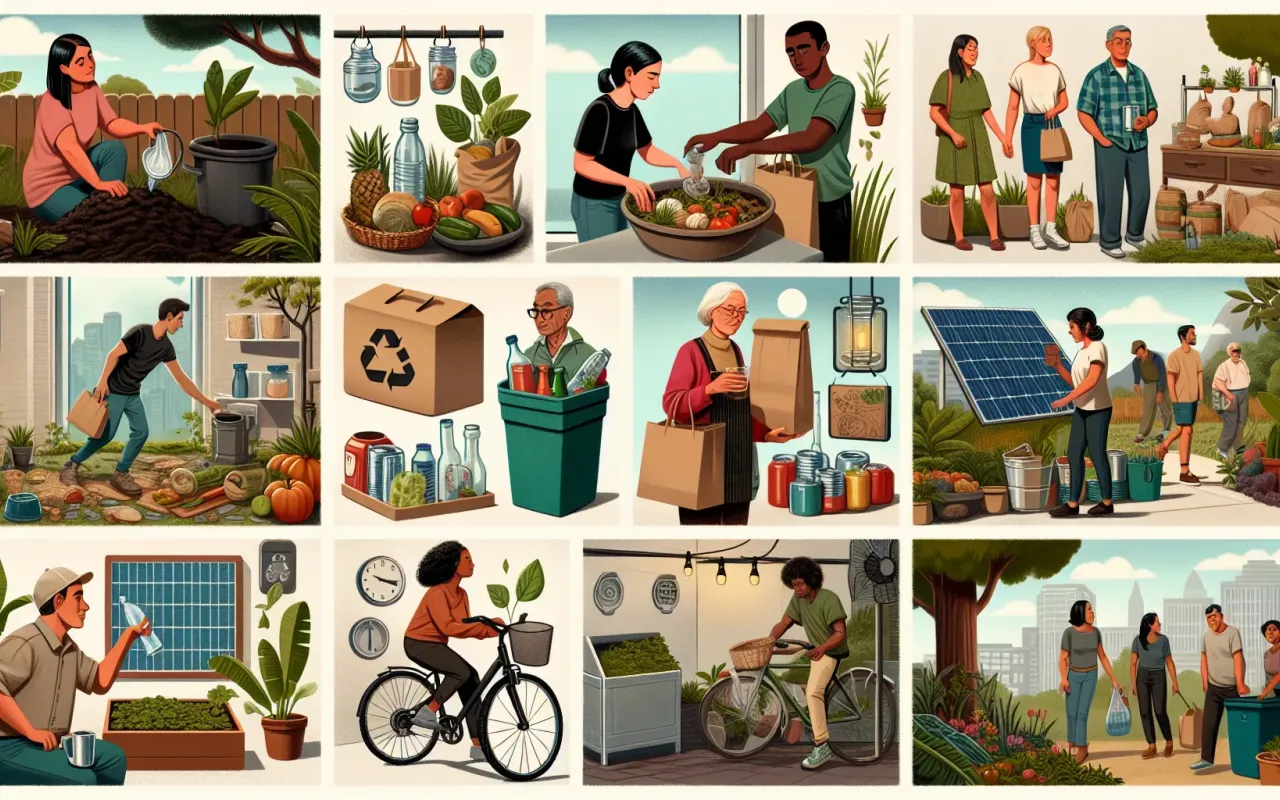
Discover 10 DIY waste reduction hacks you can start today to save money and the planet. Implement these eco-friendly tricks to make a real difference.
- September 15, 2024
AceShowbiz - Reducing waste is an essential step in combating environmental issues and saving money. By adopting simple DIY waste reduction hacks, you can positively impact the planet while also keeping your wallet happy. In this article, we present 10 practical and effective waste reduction hacks that you can start today. Each tip is easy to implement and will help you lead a more sustainable lifestyle.
1. Compost Your Organic Waste
Composting is one of the most effective ways to reduce your household waste. By turning food scraps and organic waste into compost, you can create nutrient-rich soil for your garden. Start a compost bin or pile in your backyard, or consider using a composting service if space is limited. Composting helps reduce landfill waste and lowers greenhouse gas emissions.
2. Use Reusable Bags
One of the simplest and most impactful waste reduction hacks is to swap disposable plastic bags for reusable ones. Carry reusable shopping bags, produce bags, and even snack bags to cut down on plastic waste. Opt for bags made from durable materials like cotton or recycled plastic to ensure longevity.
3. DIY Cleaning Products
Commercial cleaning products often come in single-use plastic bottles and can contain harmful chemicals. By making your own cleaning solutions, you can reduce waste and avoid exposure to toxic substances. Simple ingredients like vinegar, baking soda, and lemon can be used to create effective and eco-friendly cleaners for your home.
4. Repair and Upcycle
Before discarding broken or old items, consider repairing or upcycling them. Many household items can be given a new life with a little creativity and effort. Repairing clothes, furniture, and electronics not only reduces waste but also saves you money by eliminating the need for new purchases.
5. Use Reusable Containers
Replace single-use plastic containers with reusable alternatives. Glass or stainless steel containers are perfect for storing leftovers, packing lunches, and organizing pantry items. Investing in high-quality, reusable containers can significantly cut down on plastic waste.
6. Swap Disposable for Reusable
Many household items have reusable alternatives that can dramatically reduce waste. Swap disposable items like paper towels, napkins, and coffee filters for their reusable counterparts. Cloth towels, napkins, and metal filters are cost-effective choices that help minimize waste.
7. Shop Secondhand
Shopping secondhand is a great way to reduce waste and save money. Thrift stores, consignment shops, and online marketplaces offer a wide range of gently used items, from clothing to furniture to electronics. By buying secondhand, you reduce the demand for new products and decrease waste production.
8. Buy in Bulk
Buying in bulk can significantly reduce packaging waste. Purchase items like grains, nuts, and spices in larger quantities and store them in reusable containers. Many stores offer bulk sections where you can bring your own containers and save on packaging.
9. Practice Mindful Consumption
Being mindful of your consumption habits is key to reducing waste. Avoid impulse purchases and focus on buying only what you need. Consider the environmental impact of your purchases and choose products with minimal or eco-friendly packaging.
10. Educate and Advocate
Spread awareness about waste reduction by educating yourself and others. Participate in community clean-up events, support zero-waste initiatives, and advocate for sustainable policies. By sharing knowledge and encouraging others to adopt waste reduction practices, you can amplify your impact on the planet.
Conclusion
Implementing these DIY waste reduction hacks can help you make a significant difference in both your life and the environment. From composting organic waste to practicing mindful consumption, each tip is a step towards a more sustainable and cost-effective lifestyle. Start small and gradually incorporate these practices into your daily routine, and you'll soon see the benefits for both your wallet and the planet.