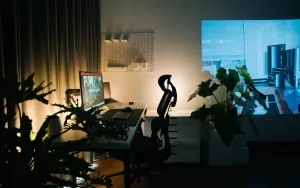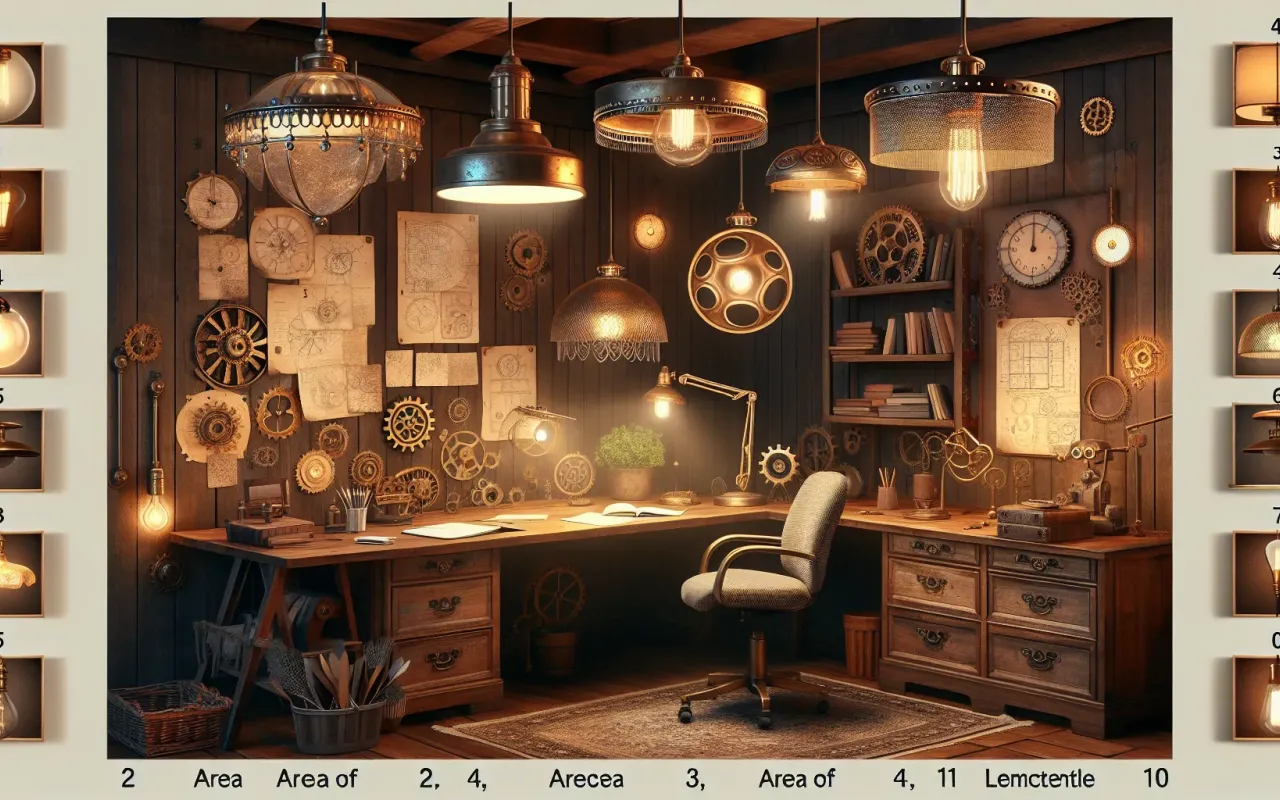
Discover essential home office lighting improvement tips to enhance productivity and comfort. Follow these expert recommendations for an optimal home office setup.
- September 11, 2024
AceShowbiz - Creating an efficient and productive home office environment hinges on several factors, and one of the most crucial is lighting. Proper home office lighting can significantly impact your productivity, mood, and even your eye health. In this comprehensive guide, we will delve into ten essential home office lighting improvement tips that will help you create an optimal workspace.
1. Evaluate Your Current Lighting Situation
The first step in improving your home office lighting is to assess your current setup. Determine the sources of light you already have—natural daylight, ceiling lights, task lamps, etc.—and identify areas that need enhancement. Take note of any shadows, glare, or dim spots that may be affecting your work quality.
2. Maximize Natural Light
Natural daylight is the best source of lighting for any workspace. Position your desk near a window to take full advantage of natural light. This not only brightens your workspace but also boosts your mood and energy levels. However, be mindful of potential glare on your computer screen.
Use Window Treatments
To control the amount of natural light, consider installing adjustable window treatments like blinds or curtains. This allows you to diffuse light and reduce glare without blocking it entirely.
3. Layer Your Lighting
A well-lit home office usually incorporates three types of lighting: ambient, task, and accent lighting. Layering these lighting sources ensures a balanced illumination.
Ambient Lighting
Ambient lighting serves as the general light source of the room. Options include ceiling lights, pendant lights, and floor lamps. Aim for even distribution to avoid dark spots.
Task Lighting
Task lighting focuses on specific work areas. Desk lamps with adjustable arms and brightness levels are perfect for detailed tasks like reading, writing, or working on a computer.
Accent Lighting
Accent lighting adds aesthetic appeal and depth to your workspace. Examples include wall sconces, uplights, or backlighting for monitors. It can elevate the room's ambiance and make the space more inviting.
4. Choose the Right Bulbs
Different activities require different types of light bulbs. For a home office, opt for LED bulbs as they are energy-efficient, long-lasting, and available in various color temperatures. A color temperature of 5000K replicates natural daylight, which is ideal for work.
5. Position Your Light Sources Properly
Proper positioning of your light sources is key to eliminating glare and shadows. Desk lamps should be placed on the opposite side of your dominant hand to minimize hand shadows. Ceiling lights should be centered to distribute light evenly across the room.
6. Reduce Glare
Glare can cause eye strain and reduce productivity. To mitigate this, use anti-glare screen protectors for monitors and position lights so that they do not reflect off screens. Matte finishes on walls and furniture can also help reduce glare.
7. Incorporate Dimmable Lights
Installing dimmable lights provides flexibility and control over your lighting environment. It allows you to adjust light levels based on different tasks and times of day, enhancing comfort and reducing eye strain.
8. Consider Color Temperature and CRI
Color temperature and Color Rendering Index (CRI) are vital factors in choosing the right lighting. A color temperature between 4000K and 5000K is optimal for tasks requiring concentration. A high CRI bulb (90 or above) accurately renders colors, which is particularly important for design work.
9. Personalize Your Lighting Setup
Everyone has unique lighting preferences. Some may prefer a brightly lit workspace, while others might opt for a softer, warmer light. Customize your lighting setup to suit your comfort and productivity needs.
10. Regularly Maintain Your Lighting Fixtures
Maintenance is crucial for optimal lighting performance. Clean your light fixtures and bulbs regularly to ensure maximum brightness. Replace any flickering or dim bulbs promptly to maintain a consistent lighting environment.
Conclusion
Improving your home office lighting can significantly enhance your productivity, mood, and overall work experience. By evaluating your current setup, maximizing natural light, layering different lighting types, choosing the right bulbs, and positioning light sources properly, you can create an efficient and comfortable workspace. Don’t forget to incorporate dimmable lights, consider color temperature and CRI, personalize your setup, and maintain your fixtures to keep your home office lighting at its best.
Follow these home office lighting improvement tips, and transform your workspace into a haven of productivity and comfort.