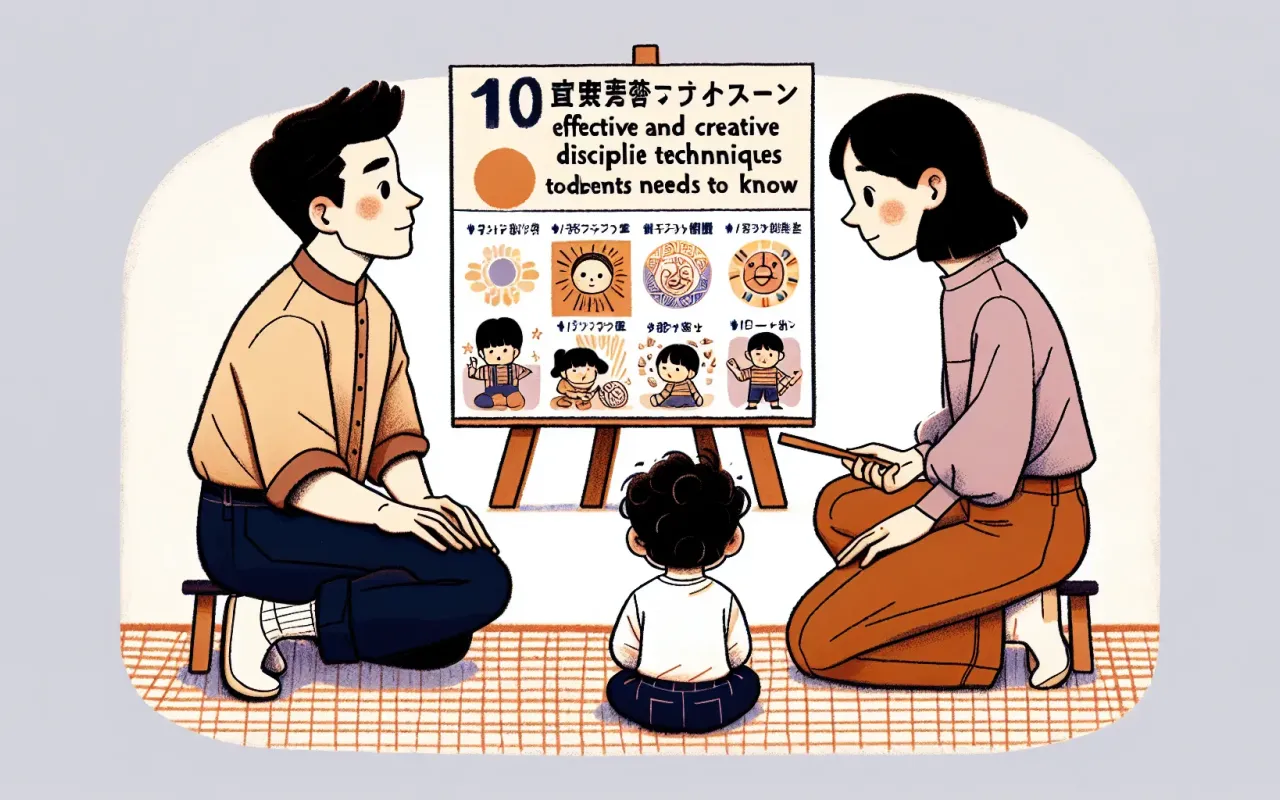
Explore ten effective and creative discipline techniques for toddlers that can help parents manage behavior while fostering positive development.
- September 10, 2024
As any parent of a toddler knows, disciplining a young child can be a challenging task. Toddlers are at an age where they are beginning to explore their independence but still lack the self-control and understanding of rules. This article will explore ten effective and creative discipline techniques for toddlers, helping parents manage their child's behavior thoughtfully and constructively.
1. Positive Reinforcement
One of the most effective ways to discipline a toddler is through positive reinforcement. This approach involves rewarding good behavior rather than only punishing bad behavior. For example, praise your child when they follow instructions or play nicely with others. Rewards could include stickers, extra playtime, or a favorite treat.
2. Consistent Routines
Toddlers thrive on routine. Having a consistent daily schedule helps them understand what is expected and when. This consistency can reduce behavioral issues because it provides a sense of security and predictability. Ensure regular times for meals, naps, and play.
3. Setting Clear Boundaries
Clear and consistent boundaries are crucial for toddlers. Explain the rules in simple terms and ensure they understand the consequences of breaking them. Stick to these boundaries, and avoid giving in to tantrums or protests, as this can undermine your authority.
4. Time-Outs
Time-outs can be an effective way to manage tantrums and other disruptive behaviors. The general rule is one minute of time-out for each year of the child's age. Ensure the time-out spot is safe and free of distractions. After the time-out, discuss with your child why their behavior was unacceptable.
5. Natural Consequences
Allowing toddlers to experience the natural consequences of their actions can be a powerful learning tool. For example, if a child refuses to wear a coat, let them feel the cold for a few minutes (provided it's safe to do so). This helps them understand the direct results of their choices.
6. Distraction and Redirection
Using distraction and redirection can effectively manage undesirable behavior. When you see a tantrum brewing or an inappropriate activity starting, redirect your child’s attention to something more positive. Offer a different toy or initiate a new activity to shift their focus.
7. Role Modeling
Children learn by observing the adults around them. Be mindful of your actions and behaviors, as toddlers are likely to mimic them. Demonstrate the behavior you wish your child to follow, such as using polite words, sharing, and calming techniques.
8. Offering Choices
Giving toddlers choices helps cultivate their independence while still steering them towards acceptable behaviors. Offer limited options, such as “Do you want to wear the blue shirt or the red shirt?†This technique reduces power struggles by empowering the child within set boundaries.
9. Teaching Empathy
Encourage your child to understand and consider the feelings of others. Use simple language to explain how their actions affect those around them. Phrases like, “How would you feel if someone grabbed your toy?†can help develop empathy and consideration.
10. Storytelling and Role-Playing
Use storytelling and role-playing to teach critical lessons and proper behavior. Create stories where characters face similar challenges and demonstrate positive solutions. Role-playing scenarios can also help toddlers practice expected behaviors in a fun and engaging way.
Conclusion
Disciplining toddlers effectively requires creativity, consistency, and patience. By utilizing these ten creative discipline techniques for toddlers, parents can guide their children towards positive behaviors while fostering their development. Remember, the goal is not just to prevent bad behavior but to teach your toddler self-control, empathy, and understanding.