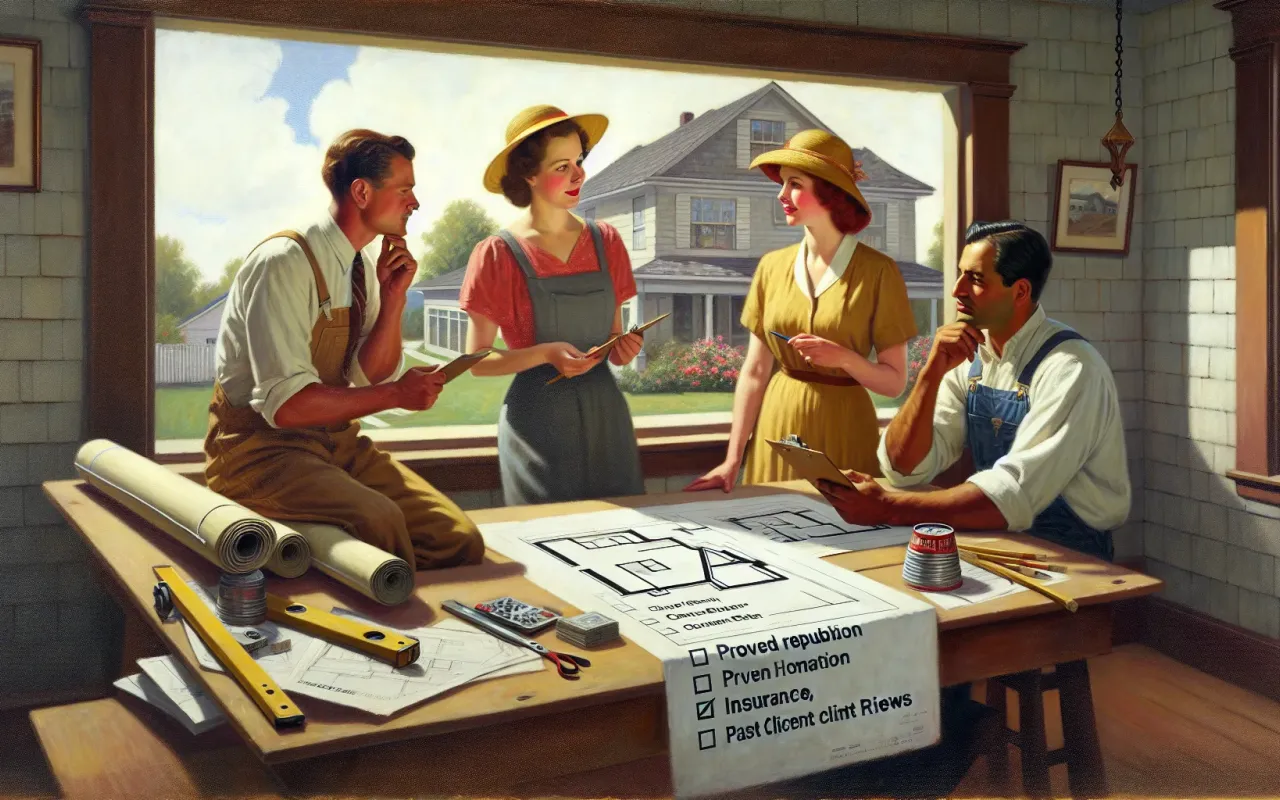
Learn the essential tips on how to choose a roofing contractor. This comprehensive guide helps homeowners make informed decisions on selecting the best roofing professionals.
- September 5, 2024
AceShowbiz - When it comes to maintaining your home, choosing the right roofing contractor is crucial. Your roof protects your home from the elements, so it’s important to ensure that it is in good hands. With so many options available, how do you differentiate between a reliable contractor and one that may fall short? This article provides comprehensive tips on how to choose a roofing contractor that suits your needs and ensures your home’s longevity.
Research and Recommendations
1. Gather Referrals
Word of mouth is one of the most reliable ways to find a reputable roofing contractor. Start by asking friends, family, and neighbors if they have any recommendations. They can provide firsthand experiences about the quality of work and customer service they received.
2. Check Online Reviews
In the digital age, online reviews are an invaluable asset. Websites like Yelp, Google Reviews, and the Better Business Bureau (BBB) can offer insights into a contractor’s reputation. Look for contractors with consistently positive feedback and those who respond professionally to negative reviews.
3. Verify Credentials
It’s important to ensure that a contractor is licensed, insured, and certified. A state license confirms that the contractor has met specific industry standards, while insurance protects you from liability in case of accidents or damages during the project.
Evaluate Experience and Expertise
4. Years in Business
An experienced contractor is more likely to deliver high-quality work. Check how long the contractor has been in business and ensure they have a proven track record in roofing. A contractor with many years of experience will have encountered and resolved various issues, making them better equipped to handle your project.
5. Specialization and Skills
Not all roofing contractors are the same. Some specialize in residential roofing, while others may focus on commercial projects. Confirm that the contractor has expertise in your specific type of roofing, whether it’s asphalt shingles, metal roofing, or another material.
6. Portfolio of Previous Work
A reputable contractor should be willing to showcase their portfolio of completed projects. Reviewing their past work can give you an idea of their craftsmanship and attention to detail. Look for projects similar in scope to yours to gauge their capability.
Detailed Quotes and Contracts
7. Obtain Multiple Quotes
Get quotes from at least three different contractors before making a decision. This practice helps you understand the market rate and ensures you’re not overpaying. Pay close attention to what is included in each quote to make a fair comparison.
8. Transparent Pricing
The quote should be explicit about all costs involved, including materials, labor, permits, and any additional fees. Unexpected costs can arise, so make sure there’s a clear understanding of what could potentially increase the final bill.
9. Comprehensive Contract
A detailed contract protects both you and the contractor. It should outline the project scope, timeline, payment schedule, warranties, and other essential terms. Avoid contractors who hesitate to provide a written agreement.
Communication and Professionalism
10. Responsiveness and Communication
Effective communication is critical for the smooth execution of any project. A reliable contractor should be accessible, responsive to your inquiries, and transparent about project updates. Poor communication can lead to misunderstandings and delays.
11. Professional Conduct
Observe the contractor’s professionalism from the outset. Punctuality, respectfulness, and a clean appearance are basic indicators of a contractor’s work ethic and reliability. Professionalism during the initial meetings often reflects the work they will perform.
Warranties and After-Project Support
12. Manufacturer and Workmanship Warranties
Roofing materials usually come with manufacturer warranties, but it’s also crucial to have a workmanship warranty from the contractor. This guarantee covers installation-related issues and provides peace of mind that the contractor stands by their work.
13. After-Project Cleanup and Support
Ask about the contractor’s policy on site cleanup and debris removal. A professional contractor will ensure that your property is left in the same condition as before the project. Additionally, inquire about after-project support should any issues arise post-completion.
Making the Final Decision
14. Trust Your Instincts
After conducting thorough research and evaluations, sometimes it boils down to trusting your instincts. Choose a contractor that you feel comfortable with and confident in their ability to deliver a good job.
15. Prioritize Quality over Cost
While budget constraints are important, it shouldn’t be the sole determining factor. Opting for the cheapest contractor could compromise the quality of work, leading to long-term issues and additional expenses. Invest in a contractor who offers a balance of quality, reliability, and reasonable pricing.
Conclusion
Choosing the right roofing contractor involves careful consideration and due diligence. By following these essential tips, homeowners can make informed decisions, ensuring that their roofing projects are handled professionally and efficiently. Remember to research, verify credentials, evaluate experience, compare quotes, and prioritize communication and professionalism. This comprehensive approach will help you identify a reliable contractor who can safeguard your home with a durable and high-quality roof.