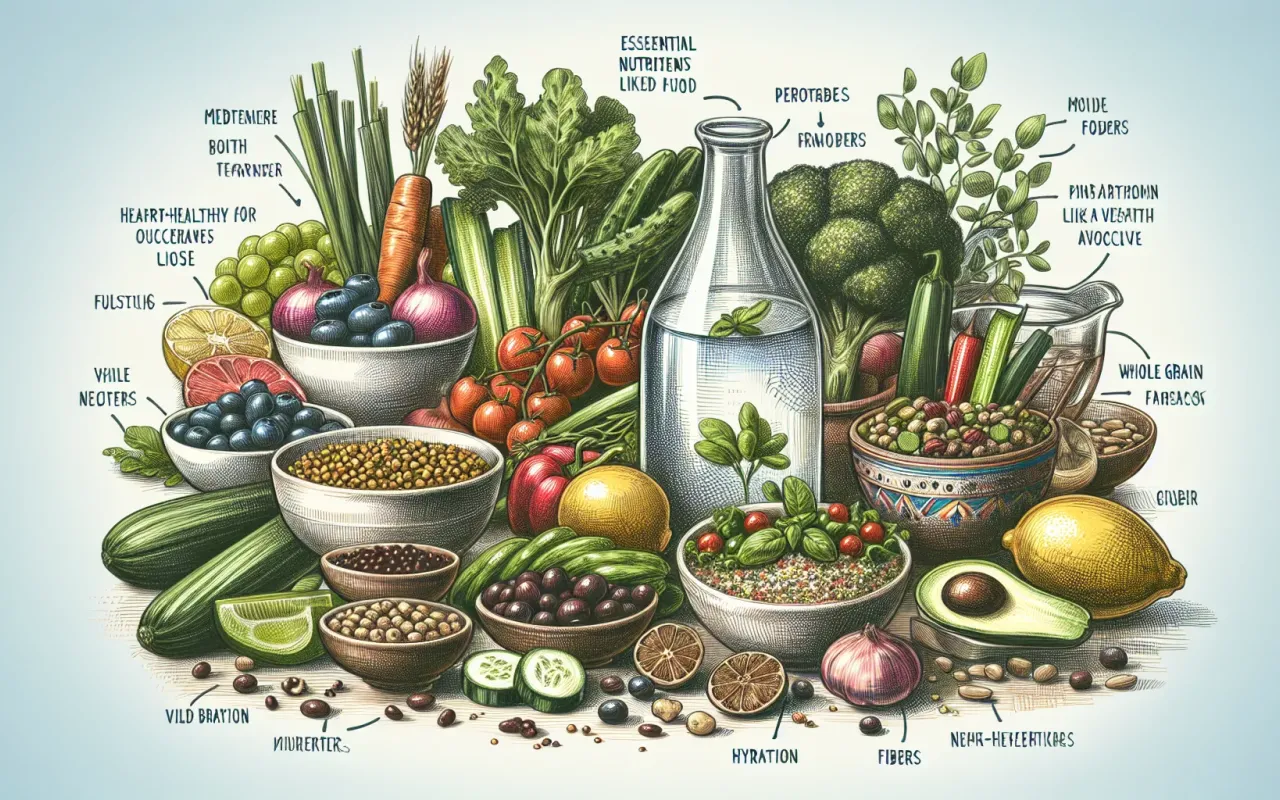
Discover the ultimate Mediterranean plant-based diet meal plan designed to improve your health and well-being. Learn recipes, tips, and strategies for success.
- September 4, 2024
Introduction
The Mediterranean diet has long been hailed as one of the healthiest diets in the world. It emphasizes fresh, whole foods and has been associated with numerous health benefits, including reduced risks of heart disease, diabetes, and cancer. Combining the principles of a Mediterranean diet with a plant-based approach can elevate these benefits even further, promoting better health and well-being. This article provides an ultimate Mediterranean plant-based diet meal plan to help you embark on a journey to a healthier you.
Benefits of a Mediterranean Plant-Based Diet
Heart Health
The Mediterranean diet is rich in monounsaturated fats, particularly from olive oil, and omega-3 fatty acids, which are beneficial for heart health. By focusing on plant-based foods, you can further reduce your intake of saturated fats, lowering cholesterol levels and minimizing heart disease risk.
Weight Management
A plant-based Mediterranean diet is high in fiber and low in processed foods, which can aid in weight management. Consuming a variety of vegetables, fruits, legumes, and whole grains helps you feel full longer, reducing the likelihood of overeating.
Improved Digestion
With its focus on fiber-rich foods, this diet supports a healthy digestive system. High fiber intake enhances bowel regularity and nourishes the gut microbiome, both of which are essential for digestion.
Reduced Inflammation
The Mediterranean diet is abundant in antioxidants and anti-inflammatory compounds found in fruits, vegetables, nuts, seeds, and olive oil, which help reduce inflammation and improve overall health.
Key Components of the Mediterranean Plant-Based Diet
Fruits and Vegetables
Strive to fill half of your plate with fruits and vegetables. These are the cornerstone of your diet, providing essential vitamins, minerals, and antioxidants.
Whole Grains
Choose whole grains over refined grains. Options like quinoa, barley, farro, and whole wheat bread contribute to sustained energy and offer more nutrients and fiber.
Legumes
Beans, lentils, and chickpeas are excellent plant-based sources of protein and fiber. Incorporate them into salads, soups, and main dishes.
Nuts and Seeds
Almonds, walnuts, chia seeds, and flaxseeds provide healthy fats and proteins. They can be added to meals or enjoyed as snacks.
Healthy Fats
Olive oil is the primary source of fat in the Mediterranean diet. Avocados and olives are also excellent choices.
Herbs and Spices
Flavor your meals with herbs and spices instead of salt. Basil, oregano, rosemary, and garlic add depth and complexity to dishes.
Beverages
Water should be your go-to beverage. Enjoy herbal teas, and occasionally indulge in a glass of red wine if desired.
7-Day Meal Plan
Day 1
Breakfast: Greek yogurt with fresh berries, chia seeds, and whole grain granola.
Lunch: Quinoa salad with chickpeas, cucumber, tomatoes, olives, and a lemon-olive oil dressing.
Dinner: Stuffed bell peppers with lentils, brown rice, and herbs.
Snack: Apple slices with almond butter.
Day 2
Breakfast: Overnight oats with almond milk, bananas, and walnuts.
Lunch: Hummus and vegetable wrap with spinach, bell peppers, and shredded carrots.
Dinner: Mediterranean vegetable stir-fry with tofu, zucchini, and cherry tomatoes served with farro.
Snack: Mixed nuts and dried fruits.
Day 3
Breakfast: Smoothie bowl with spinach, banana, blueberries, and flaxseed.
Lunch: Lentil soup with whole grain bread.
Dinner: Eggplant Parmesan made with whole grain bread crumbs and a side of steamed broccoli.
Snack: Carrot sticks with hummus.
Day 4
Breakfast: Whole grain toast with avocado, cherry tomatoes, and a sprinkle of chia seeds.
Lunch: Spinach and quinoa salad with roasted red peppers and a balsamic vinaigrette.
Dinner: Grilled vegetable kebabs with wild rice.
Snack: Handful of mixed berries.
Day 5
Breakfast: Oatmeal with honey, pecans, and raisins.
Lunch: Falafel wraps with tahini sauce, lettuce, and tomato.
Dinner: Spaghetti squash with marinara sauce, mushrooms, and spinach.
Snack: Celery sticks with sunflower seed butter.
Day 6
Breakfast: Smoothie with almond milk, spinach, pineapple, and chia seeds.
Lunch: Couscous salad with chickpeas, cucumber, olives, and feta cheese.
Dinner: Baked sweet potatoes with black beans, corn, and avocado salsa.
Snack: Sliced bell peppers with guacamole.
Day 7
Breakfast: Whole grain waffles with fresh strawberries and a dollop of Greek yogurt.
Lunch: Mediterranean pasta salad with cherry tomatoes, olives, arugula, and a lemon vinaigrette.
Dinner: Chickpea and spinach stew served over brown rice.
Snack: Pear slices with cashew butter.
Tips for Success
Transitioning to a Mediterranean plant-based diet may seem challenging at first, but these practical tips can help ensure your success:
Start Slowly
If you're new to plant-based eating, gradually reduce your intake of animal products and replace them with plant-based alternatives.
Meal Prep
Plan your meals in advance and prep ingredients to save time during the week. Cooking in batches can make it easier to stick to your meal plan.
Experiment with Flavors
Don't be afraid to experiment with herbs and spices. They can transform simple ingredients into delicious meals.
Stay Hydrated
Drink plenty of water throughout the day. Staying hydrated is crucial for overall health and aids in digestion.
Listen to Your Body
Pay attention to how different foods make you feel. Your body will tell you what works best for you.
Conclusion
The Mediterranean plant-based diet is a sustainable and nutritious way to improve your health and well-being. By incorporating a variety of fruits, vegetables, whole grains, legumes, nuts, and seeds into your meals, you can enjoy delicious and satisfying foods while reaping the numerous health benefits. Use this ultimate meal plan as a guide and adjust it to fit your needs and preferences. With commitment and creativity, you'll be well on your way to a healthier you.