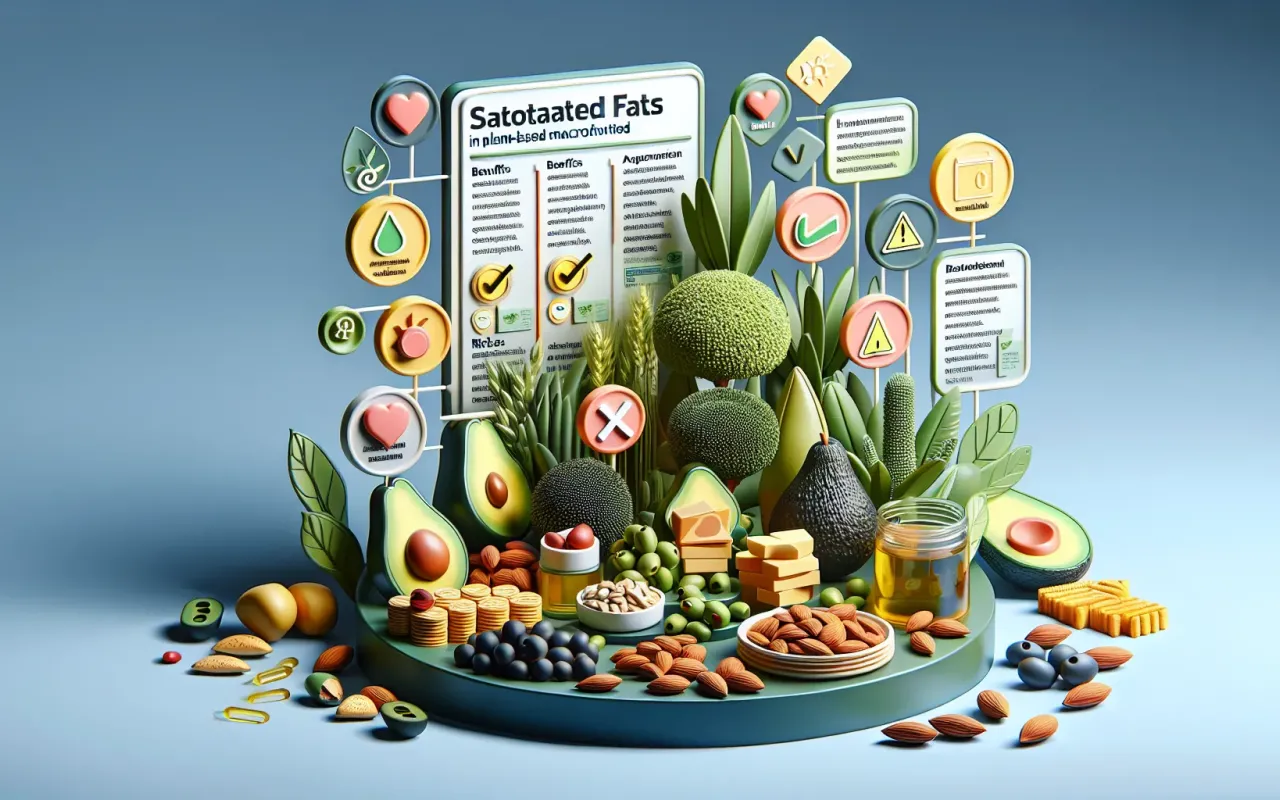
Learn about saturated fats in plant-based macronutrient sources, their benefits, risks, and how they impact your health.
- August 30, 2024
AceShowbiz - Saturated fats have been a topic of much debate in the nutrition world. Traditionally, they have been associated primarily with animal products and linked to various health issues. However, as more people adopt plant-based diets, it's important to understand saturated fats in plant-based macronutrient sources. This article delves into the benefits and risks of these fats, providing a comprehensive guide on their impact on health.
The Nature of Saturated Fats
Saturated fats are types of fats where the fatty acid chains have no double bonds between carbon atoms, meaning they are fully 'saturated' with hydrogen atoms. This saturation makes them solid at room temperature, unlike unsaturated fats, which are typically liquid. While commonly found in animal products, numerous plant-based sources also contain saturated fats.
Plant-Based Sources of Saturated Fats
Although we often associate saturated fats with animal products, several plant-based foods are rich in these types of fats:
Coconut Oil
Coconut oil is high in saturated fats, primarily in the form of medium-chain triglycerides (MCTs), which metabolize differently than long-chain fatty acids. MCTs are quickly absorbed and converted into energy, which may provide some unique health benefits.
Palm Oil
Palm oil is another plant-based oil high in saturated fats. It is widely used in food production, but its high saturated fat content and environmental implications make it a controversial ingredient.
Cocoa Butter
Cocoa butter, derived from cocoa beans, is another plant-based fat high in saturated fats. It is a key ingredient in chocolate and other confectioneries.
Other Plant-Based Sources
Other sources include shea butter, certain nut oils, and some tropical fruits like coconuts themselves. While these sources do contain saturated fats, the type and amount can vary significantly.
Benefits of Plant-Based Saturated Fats
Despite the negative connotations, there are several benefits to consuming saturated fats from plant-based sources:
Energy and Metabolism
Plant-based saturated fats, especially MCTs found in coconut oil, are quickly metabolized and converted into energy. This can be particularly beneficial for athletes or individuals needing quick energy boosts.
Brain Health
Some research suggests that MCTs in coconut oil can benefit brain health, potentially improving cognitive function and delaying the onset of Alzheimer's disease.
Hormone Production
Saturated fats are crucial for hormone production. The body uses these fats to create and regulate hormones, which can impact everything from mood to metabolism.
Absorption of Nutrients
Dietary fats, including saturated fats, are essential for the absorption of fat-soluble vitamins (A, D, E, and K). Consuming adequate fat is necessary for optimal nutrient absorption and overall health.
Risks Associated with Saturated Fats
While there are benefits, it’s crucial to be aware of the potential risks involved with high consumption of saturated fats, even from plant-based sources:
Cardiovascular Health
High intake of saturated fats has long been linked to increased levels of LDL (bad) cholesterol, which can contribute to cardiovascular diseases. However, this relationship is complex, and some studies suggest that not all saturated fats impact heart health equally.
Weight Gain
Fats are calorie-dense, providing more than twice the calories per gram compared to carbohydrates or proteins. Overconsumption can lead to weight gain and associated health issues.
Inflammation
Excessive intake of certain saturated fats can lead to inflammation, a known contributor to various chronic diseases. It's important to balance saturated fat intake with other types of fats and nutrients to maintain overall health.
Balancing Saturated Fats in a Plant-Based Diet
Adopting a balanced approach is key to ensuring optimal health while including saturated fats in a plant-based diet:
Moderation is Key
While incorporating plant-based saturated fats into your diet can offer benefits, it's essential to do so in moderation. Balancing saturated fats with unsaturated fats can help mitigate potential risks. This means including sources like olive oil, avocados, nuts, and seeds.
Whole Foods Over Processed
Prioritize whole, minimally processed plant-based foods over highly processed options. Whole foods provide a better balance of nutrients and are generally lower in unhealthy fats and additives.
Consider Overall Diet Quality
The impact of saturated fats on health is influenced by overall diet quality. A diet high in fruits, vegetables, whole grains, and lean proteins can help offset potential negative effects.
Regular Monitoring
Regularly monitor your health markers, such as cholesterol levels and weight, to ensure that your diet is supporting your health goals. Consulting with a healthcare provider or nutritionist can provide personalized guidance.
Conclusion
Saturated fats in plant-based macronutrient sources offer both benefits and risks. Understanding these can help you make informed dietary choices. While these fats can provide energy, support brain health, and aid hormone production, they should be consumed in moderation to avoid potential health risks. Balancing your intake with other healthy fats and maintaining a diverse, nutrient-rich diet is crucial for optimal health. Always consider quality over quantity and seek professional advice when needed to tailor your diet to your individual needs and goals.