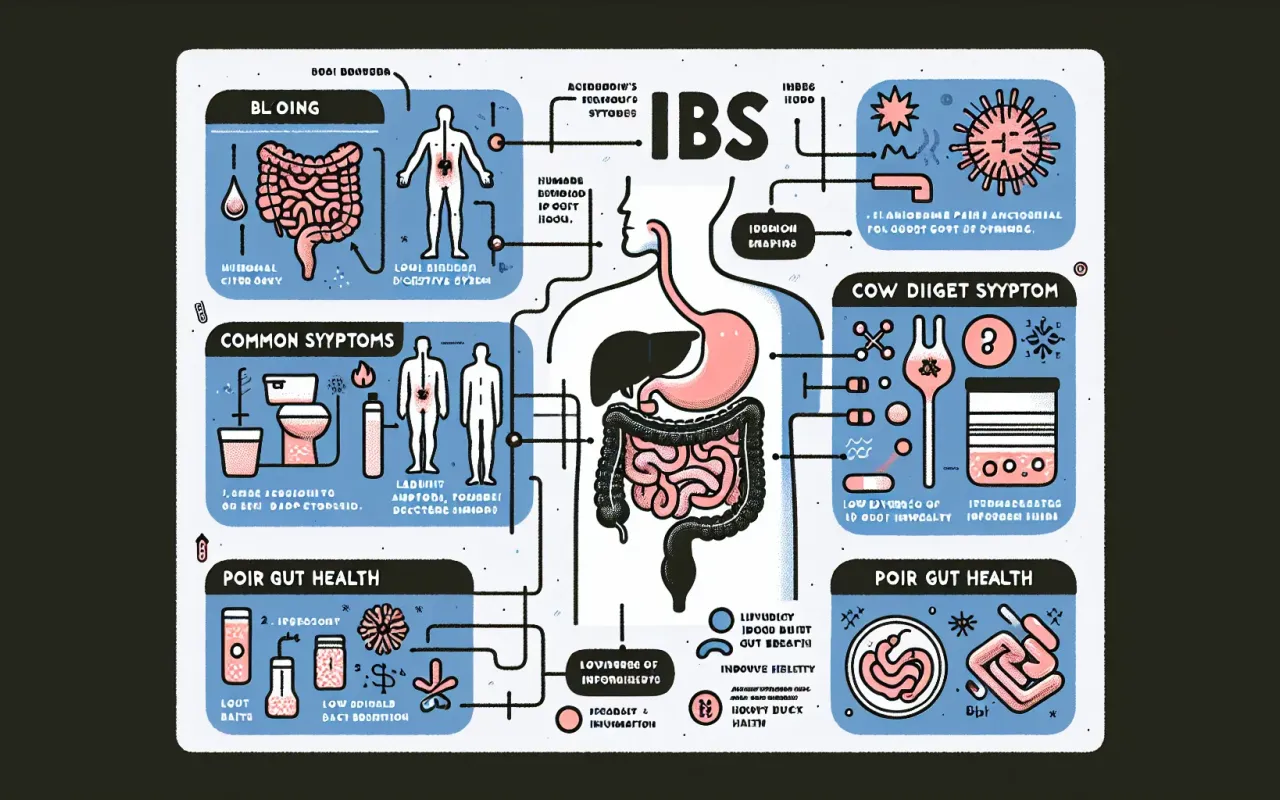
Learn about the symptoms of IBS and poor gut health, their causes, and how to manage them effectively in this comprehensive guide.
- August 30, 2024
Introduction
Digestive health is a crucial aspect of overall well-being, yet it is often overlooked until problems arise. Two common issues that many people face are irritable bowel syndrome (IBS) and poor gut health. Understanding the symptoms of IBS and poor gut health is essential for early diagnosis and effective management. This guide aims to provide a comprehensive overview of these conditions, their symptoms, causes, and possible solutions.
What is Irritable Bowel Syndrome (IBS)?
Irritable Bowel Syndrome (IBS) is a chronic gastrointestinal disorder that affects the large intestine. It is characterized by a group of symptoms that occur together, including abdominal pain, bloating, and changes in bowel habits. IBS is a functional GI disorder, meaning that it relates to how the bowel works and not to structural abnormalities.
Common Symptoms of IBS
Abdominal Pain and Cramping
One of the hallmark symptoms of IBS is abdominal pain or cramping, often occurring in conjunction with bowel movements. The pain can range from mild to severe and is typically relieved by passing stool.
Bloating and Gas
People with IBS often experience bloating, which is a sensation of fullness, and excessive gas. This can lead to discomfort and visible swelling of the abdomen.
Changes in Bowel Movements
IBS typically presents with changes in bowel movement patterns. This can include diarrhea (IBS-D), constipation (IBS-C), or a combination of both (IBS-M). Stool consistency may also vary widely.
Understanding Poor Gut Health
Poor gut health extends beyond just IBS and can encompass a range of digestive and systemic symptoms. Good gut health is dependent on a balanced microbiome— the collection of microorganisms living in the digestive tract. When this balance is disrupted, it can lead to various health issues.
Common Symptoms of Poor Gut Health
Digestive Discomfort
Symptoms such as frequent bloating, gas, diarrhea, or constipation can signal poor gut health. These symptoms suggest an imbalance in the gut microbiome or issues with digesting certain foods.
Fatigue and Sleep Issues
Poor gut health can impact your sleep quality and lead to chronic fatigue. The gut produces serotonin, a hormone that affects mood and sleep. Imbalances can disrupt these processes.
Unintentional Weight Changes
Imbalances in the gut microbiome can affect the body's ability to regulate weight. This can result in unintended weight gain or loss, often linked to how well nutrients are absorbed.
Skin Irritation
Poor gut health has been associated with skin conditions like eczema and acne. This connection is thought to be due to inflammation in the gut, which can spread to other parts of the body.
Food Intolerances
Individuals with poor gut health may develop sensitivities to certain foods. This occurs when the gut has difficulty processing and breaking down these foods, leading to digestive discomfort.
Causes of IBS and Poor Gut Health
Understanding the potential causes of these conditions is crucial for effective management. While the exact cause of IBS is unknown, several factors contribute to its development:
Genetics and Family History
There is evidence to suggest that IBS can run in families, indicating a genetic predisposition to the condition.
Stress and Mental Health
Stress and anxiety can exacerbate IBS symptoms. The gut-brain axis illustrates how digestive and psychological health are interlinked.
Diet and Lifestyle
Poor dietary habits, such as high intake of processed foods and low fiber consumption, can negatively impact gut health. Lifestyle factors like lack of exercise and inadequate sleep also play a role.
Microbiome Imbalances
An imbalanced gut microbiome, often caused by antibiotic overuse or poor diet, can lead to both IBS and general poor gut health.
Managing Symptoms of IBS and Poor Gut Health
While there is no one-size-fits-all approach, several strategies can help manage and alleviate symptoms.
Dietary Adjustments
Adopting a balanced diet rich in fiber, probiotics, and prebiotics can promote a healthy gut. For IBS sufferers, specific diets like the low-FODMAP diet may be beneficial.
Stress Management
Incorporating stress-reducing practices such as mindfulness, yoga, or regular exercise can help manage IBS symptoms by reducing stress.
Medication
In some cases, medications such as antispasmodics, laxatives, or anti-diarrheal agents may be prescribed to manage symptoms.
Regular Check-ups
Regular consultations with healthcare providers can help monitor and manage these conditions effectively, ensuring any complications are addressed promptly.
Conclusion
Understanding the symptoms of IBS and poor gut health is crucial for early intervention and effective management. By recognizing these symptoms and addressing the underlying causes, individuals can improve their gut health and overall well-being. Always consider consulting healthcare professionals for personalized advice and treatment plans.