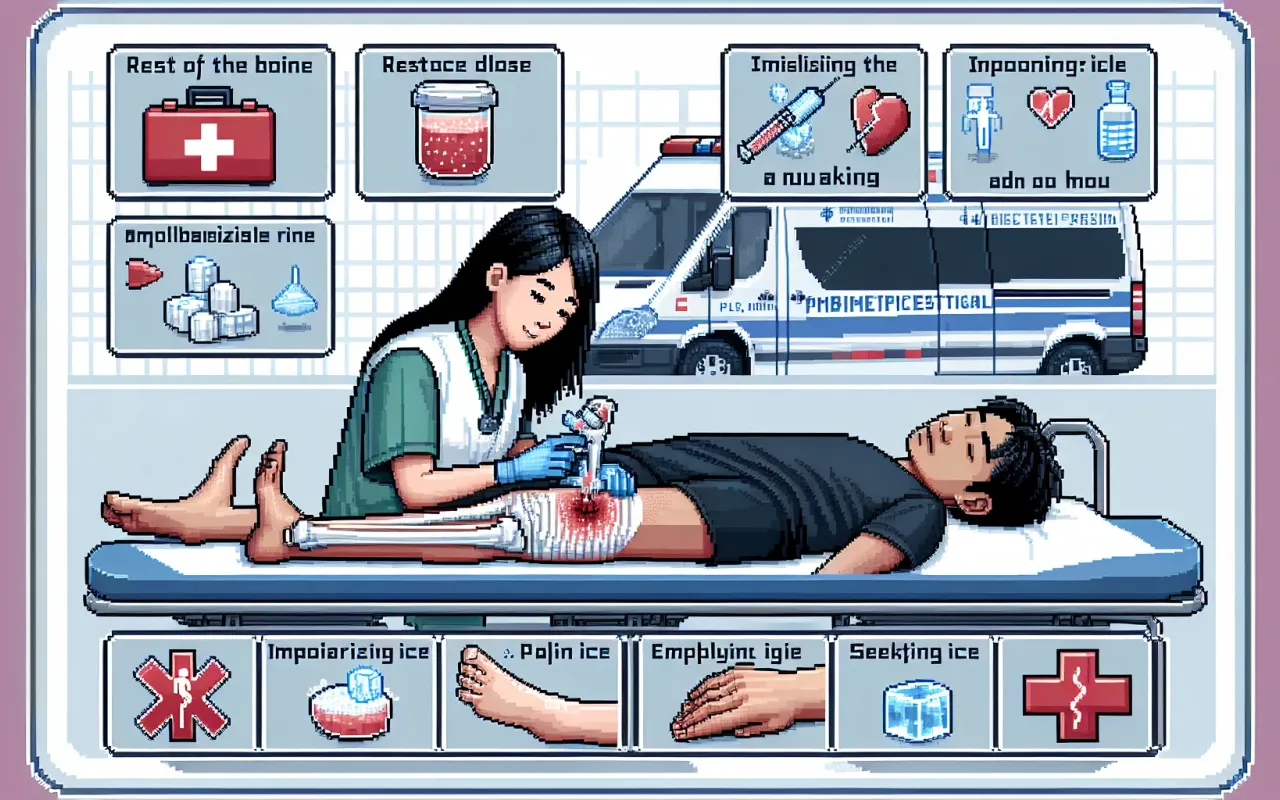
Discover essential first aid steps for closed fractures. Learn how to ensure proper healing with expert advice and reliable information.
- August 28, 2024
AceShowbiz - Closed fractures, also known as simple fractures, occur when a bone breaks but does not pierce the skin. They are common injuries that can result from falls, sports activities, or accidents. Proper first aid for closed fractures is crucial to minimize complications and ensure optimal healing. This article provides essential steps you need to take to address closed fractures effectively.
Understanding Closed Fractures
What is a Closed Fracture?
A closed fracture occurs when there is a break in the bone without an accompanying wound puncturing the skin. Unlike open fractures, closed fractures do not expose the bone and are less susceptible to infection. However, they still require immediate attention to prevent further damage and promote healing.
Common Causes of Closed Fractures
- Falls from heights or during sports activities.
- Direct impact from a blunt object.
- Sudden twisting motion causing the bone to snap.
- Weak bones due to conditions like osteoporosis.
Recognizing the Symptoms
Timely identification of a closed fracture enables prompt first aid. Here are the key symptoms to look out for:
- Intense pain at the injury site.
- Swelling and bruising around the affected area.
- Visible deformity or unnatural positioning of the limb.
- Inability to move the affected part.
- Tenderness when touching the wound area.
Immediate First Aid Steps
Step 1: Ensure Safety
Before administering first aid, ensure the safety of both the injured person and yourself. Remove any immediate hazards and call emergency services if the injury seems severe or if the person is in shock.
Step 2: Immobilize the Fracture
Immobilization helps prevent further injury and reduces pain. Use a splint to keep the affected limb in a stable position. You can create a splint using rigid materials like a board or rolled-up newspaper, then secure it with cloth or bandages. Ensure the splint extends beyond the joints above and below the fracture.
Step 3: Apply Cold Compress
Applying a cold compress to the area can help reduce swelling and numb the pain. Wrap ice in a cloth and place it on the injury for 15-20 minutes. Avoid placing ice directly on the skin to prevent frostbite.
Step 4: Elevate the Injured Limb
Elevate the injured limb above the level of the heart if possible. This helps in reducing swelling and minimizing pain. Use pillows or folded blankets to achieve elevation.
Step 5: Monitor Vital Signs
Keep an eye on the injured person’s vital signs such as breathing, pulse, and level of consciousness. If signs of shock are present (e.g. clammy skin, rapid breathing, or fainting), keep the person lying flat and elevate their legs, administering first aid for shock.
Step 6: Seek Medical Attention
Even if the first aid measures provide temporary relief, it is crucial to seek professional medical attention to ensure proper healing. Contact a healthcare provider or rush to the nearest emergency department for further diagnosis and treatment.
Expert Advice on Long-term Care
Follow the Doctor’s Instructions
After receiving initial treatment, follow the doctor's advice meticulously. This may involve wearing a cast or splint for a specific period, attending follow-up appointments, and adhering to prescribed medication.
Rehabilitation Exercises
Once the fracture starts healing, the doctor may recommend physical therapy exercises to restore strength and mobility. Complying with these exercises can significantly improve recovery outcomes.
Nutrition for Bone Health
Consuming a diet rich in calcium, vitamin D, and protein can support bone healing and overall health. Foods like dairy products, leafy greens, nuts, and fish are excellent choices for maintaining bone strength.
Prevention Tips
Preventing closed fractures is always better than treating them. Here are some preventive measures you can take:
Ensure Safe Environments
Minimize hazards in your home and workplace. Ensure walkways are free of obstacles, use adequate lighting, and install handrails on stairs.
Wear Protective Gear
When engaging in sports or activities with high fracture risk, wear appropriate protective gear such as helmets, knee pads, and wrist guards.
Regular Exercise
Engage in weight-bearing exercises like walking, jogging, or lifting weights. Regular physical activity strengthens bones and reduces the risk of fractures.
Conclusion
Understanding and implementing effective first aid for closed fractures can make a significant difference in the outcomes of an injury. By recognizing symptoms early and applying the right first aid measures, you can help ensure proper healing and reduce complications. Always seek professional medical guidance and adhere to long-term care instructions to facilitate effective recovery.