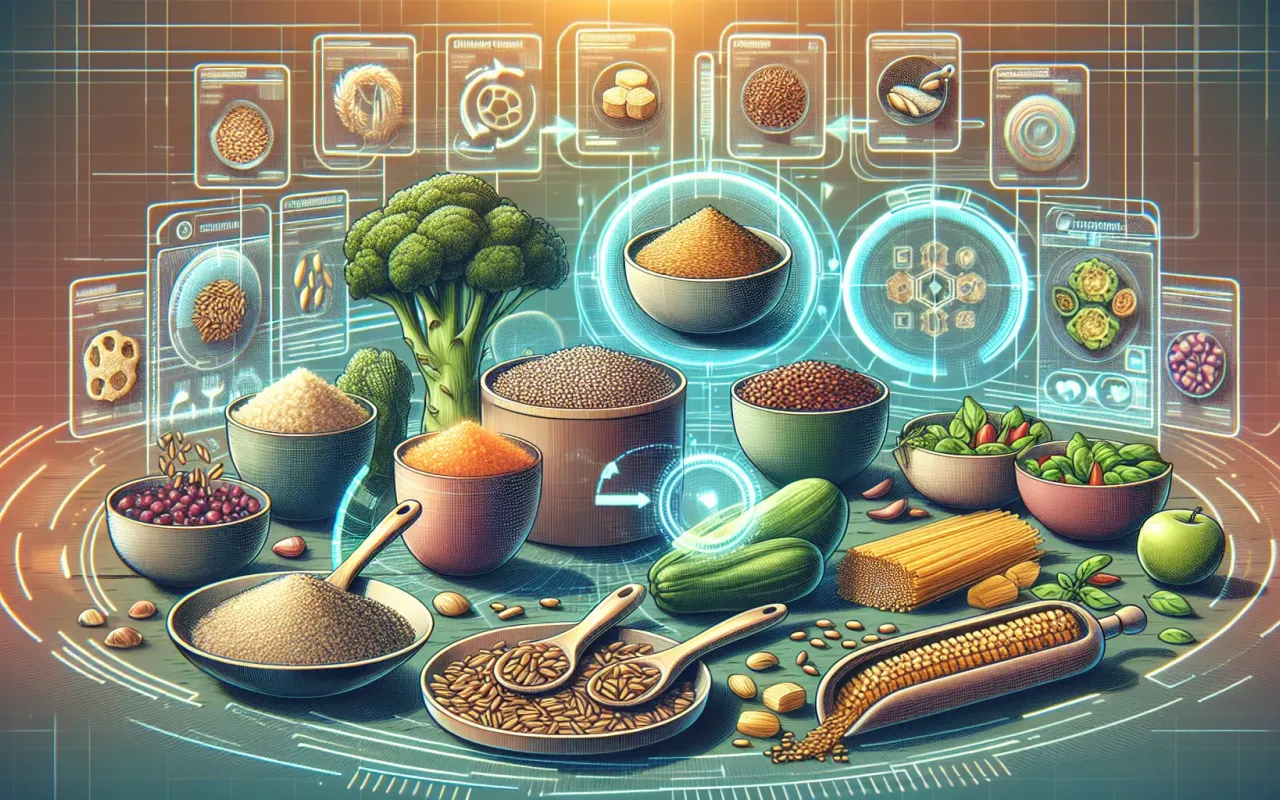
Learn how to incorporate whole grains into a Mediterranean diet with these 10 simple and effective tips. Enhance your diet's nutritional value and enjoy delicious, healthy meals.
- August 28, 2024
The Mediterranean diet is renowned for its numerous health benefits, including reducing the risk of cardiovascular diseases and promoting overall well-being. One of the key components of this diet is whole grains. These nutrient-dense foods provide essential vitamins, minerals, and fiber that contribute to a balanced diet. But how exactly can you incorporate whole grains into a Mediterranean diet?
Understanding Whole Grains and Their Benefits
Whole grains are grains that contain all three parts of the grain kernel: the bran, germ, and endosperm. Unlike refined grains, whole grains retain their nutrient-rich components, offering numerous health benefits, such as maintaining blood sugar levels, aiding digestion, and supporting heart health.
Popular whole grains include oats, brown rice, quinoa, barley, and farro. Integrating these into your Mediterranean diet can be simple and delicious.
1. Start Your Day with Whole Grain Breakfast Options
Breakfast is the perfect opportunity to introduce whole grains into your diet. Consider starting your day with a bowl of oatmeal topped with fresh fruits, nuts, and a drizzle of honey. Alternatively, try whole grain toast with avocado and a sprinkle of olive oil.
2. Opt for Whole Grain Pasta
Swap regular pasta for whole grain versions such as whole wheat spaghetti or penne. Whole grain pasta contains more fiber and nutrients than its refined counterpart, making it a healthier choice without compromising on taste.
3. Integrate Quinoa into Your Meals
Quinoa is a versatile whole grain that can easily be incorporated into various dishes. Use it as a base for salads, mix it with vegetables for a delicious side dish, or replace rice with quinoa in your favorite recipes. Its high protein content and nutty flavor make it a great addition to any meal.
4. Experiment with Farro
Farro is an ancient grain that adds a chewy texture and nutty taste to your meals. Try making a farro salad with tomatoes, cucumbers, olives, and feta cheese for a hearty and nutritious dish. You can also add cooked farro to soups and stews for extra fiber and nutrients.
5. Use Whole Grain Bread for Sandwiches
When making sandwiches, opt for whole grain bread instead of white bread. Whole grain bread offers a robust flavor and texture, along with additional nutrients. Pair it with fresh vegetables, lean proteins, and healthy fats for a balanced meal.
6. Make Barley Risotto
Replace traditional arborio rice with barley when making risotto. Barley has a slightly chewy texture and a rich flavor that pairs well with a variety of ingredients. Cook it with vegetable broth, mushrooms, and Parmesan cheese for a satisfying and wholesome meal.
7. Add Bulgur to Your Dishes
Bulgur is a quick-cooking whole grain that can be used in many dishes. Try adding it to soups, salads, or as a base for tabbouleh. Its light and fluffy texture make it a great addition to any meal, providing extra fiber and nutrients.
8. Substitute Brown Rice for White Rice
Brown rice is a whole grain alternative to white rice that retains more nutrients and fiber. Use brown rice in stir-fries, as a side dish, or in grain bowls. Its slightly nutty flavor and chewy texture make it a satisfying and healthy choice.
9. Incorporate Whole Grain Flour in Baking
When baking at home, substitute regular flour with whole grain flour. Whole grain flour adds nutritional value and a hearty taste to baked goods. Experiment with whole wheat flour, oat flour, or spelt flour in your favorite recipes.
10. Choose Popcorn for a Whole Grain Snack
Popcorn is a whole grain snack that is both delicious and nutritious. Opt for air-popped popcorn and season it with a little olive oil and sea salt for a healthy, Mediterranean-inspired treat. It's a perfect snack for movie nights or as a midday boost.
Conclusion
Incorporating whole grains into a Mediterranean diet is a simple and effective way to enhance the nutritional value of your meals. From breakfast options to main dishes and snacks, there are numerous ways to enjoy the benefits of whole grains. By making mindful choices and experimenting with different whole grains, you can create delicious and healthy meals that align with the principles of the Mediterranean diet.
Remember, the key to success is variety and balance. Embrace the diverse possibilities that whole grains offer and enjoy the journey towards a healthier lifestyle.