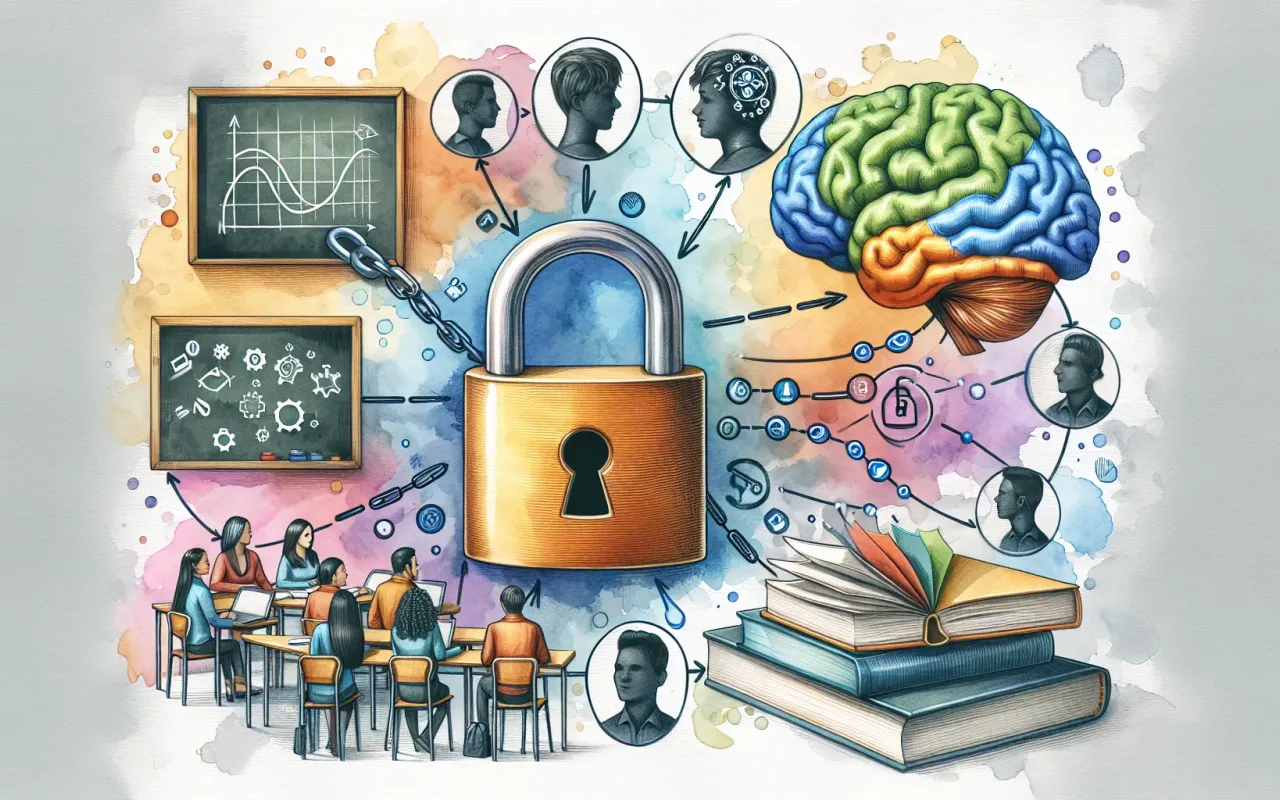
Discover effective active learning methods for better retention. Learn how to implement strategies to enhance learning and memory retention in educational settings.
- August 28, 2024
Ensuring that information sticks isn't just about repetition; it's about engaging with the material in a meaningful way. Active learning methods have been shown to enhance retention by involving learners directly in the learning process. In this article, we will explore various active learning methods and how they can help improve your retention rates.
What is Active Learning?
Active learning is an educational approach in which students engage with the material, participate in the process, and collaborate with peers. It contrasts with passive learning, where students receive information from the instructor without interacting with it. Active learning methods for better retention involve several strategies that cater to different learning styles and preferences.
Benefits of Active Learning Methods
- Enhances critical thinking and problem-solving skills
- Increases student engagement and motivation
- Promotes deep understanding and long-term retention
- Encourages collaboration and communication among students
- Provides immediate feedback and assessment opportunities
Effective Active Learning Strategies
1. Think-Pair-Share
This technique involves posing a question to students, allowing them some time to think individually, pairing up with a peer to discuss their thoughts, and finally sharing with the larger group. This method encourages individual thinking, peer-to-peer interaction, and collaborative learning, making it a powerful tool for better retention.
2. Problem-Based Learning (PBL)
Problem-Based Learning revolves around presenting students with complex, real-world problems and requiring them to work in teams to find solutions. This approach develops critical thinking, research, and practical application skills, leading to a deeper understanding of the subject matter.
3. The Flipped Classroom
In a flipped classroom, traditional lecture and homework elements are reversed. Students watch pre-recorded lectures or read materials at home, allowing class time to focus on discussions, problem-solving, and interactive activities. This model encourages active participation and better comprehension.
4. Peer Teaching
Peer teaching involves students teaching each other under the instructor's guidance. This method strengthens the teacher-student interaction, facilitates active participation, and promotes deeper understanding as students explain concepts in their own words. It is an excellent way to reinforce learning and retention.
5. Interactive Simulations and Games
Using simulations and games in the classroom can simulate real-world scenarios, making learning dynamic and engaging. Interactive elements help students apply knowledge practically, which boosts retention and understanding.
Implementing Active Learning in the Classroom
To successfully integrate active learning methods, consider the following steps:
- Start Small: Begin by incorporating small active learning activities into your lessons and gradually build up to more complex strategies.
- Encourage Participation: Create a safe and inclusive environment where all students feel comfortable participating.
- Use Technology: Leverage educational technologies and online tools to facilitate interactive learning.
- Assess and Adjust: Continuously assess the effectiveness of your active learning methods and be flexible to adjust as needed.
- Provide Feedback: Offer constructive feedback to guide students and reinforce their learning process.
Challenges and Solutions in Active Learning
1. Time Constraints
Active learning activities can be time-consuming. Solution: Plan and structure activities carefully to fit within the allotted time and ensure the lesson objectives are met.
2. Student Resistance
Some students may initially resist active learning as it deviates from traditional methods. Solution: Explain the benefits and provide support to help students adapt to new strategies.
3. Classroom Management
Managing active learning activities can be challenging. Solution: Set clear expectations, organize groups effectively, and maintain a balance between guidance and independence.
Conclusion
Active learning methods for better retention offer numerous advantages, from fostering engagement to enhancing critical thinking skills. By incorporating strategies like Think-Pair-Share, Problem-Based Learning, and the Flipped Classroom, educators can create a more interactive and effective learning environment. Start integrating these methods today to unlock better retention and deeper understanding in your students.