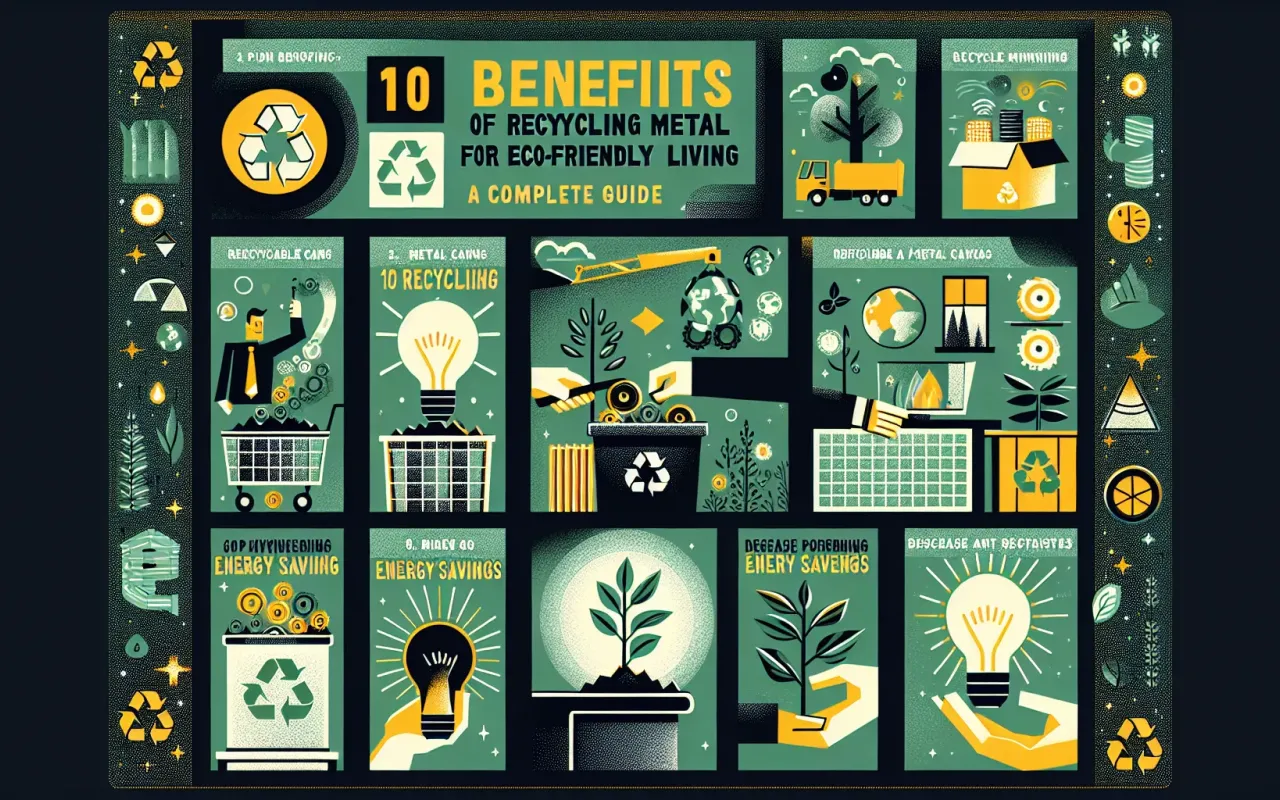
Discover the top 10 benefits of recycling metal for eco-friendly living with our comprehensive guide. Learn how recycling metal contributes to environmental sustainability and economic growth.
- August 28, 2024
In today's era of environmental consciousness, recycling has become more critical than ever. Among the various materials that can be recycled, metal stands out due to its endless recyclability and substantial benefits. This guide will delve into the benefits of recycling metal for eco-friendly living, underscoring the importance of this practice for sustainable development.
1. Conserves Natural Resources
One of the primary benefits of recycling metal is the conservation of natural resources. Extracting and processing raw materials demands significant energy and resources. By recycling metals such as aluminum, copper, and steel, we substantially reduce the need to mine and process raw materials.
2. Reduces Environmental Impact
Minimizes Pollution
Recycling metal reduces pollution by lowering greenhouse gas emissions and decreasing water and air pollution associated with metal production. Mining and processing metals contribute to harmful emissions, which can be mitigated through recycling.
3. Saves Energy
Recycling metal saves a significant amount of energy compared to producing new metal from raw materials. For example, recycling aluminum saves up to 95% of the energy required to create new aluminum from bauxite ore. This energy efficiency translates to reduced carbon footprints and long-term sustainability.
4. Economic Benefits
Job Creation
The recycling industry plays a vital role in the economy by creating jobs in collection, processing, and selling recycled materials. This not only boosts local economies but also supports green initiatives and sustainable practices.
5. Reduces Waste in Landfills
Metal recycling helps in reducing the volume of waste that ends up in landfills. Landfills are fast becoming overcrowded, and recycling metal can lessen the strain on these waste management systems, thereby contributing to a cleaner environment.
6. Meets Increasing Demand
The demand for metals is on the rise due to industrialization and technological advancements. Recycling metal helps meet this increasing demand without further depleting natural resources, ensuring a sustainable supply chain.
7. Supports Industrial Innovation
Recycling metals spurs innovation within industries. Companies are constantly developing new methods and technologies to recycle metals more efficiently and cost-effectively. This innovation often spills over into other sectors, promoting a culture of sustainability and environmental responsibility.
8. Enhances Community Health
By reducing pollution and minimizing waste, metal recycling positively impacts community health. Cleaner air and water contribute to overall well-being, reducing health issues related to pollution and toxic waste.
9. Encourages Responsible Consumption
Recycling naturally promotes responsible consumption and waste management practices. As more individuals and businesses engage in recycling, a culture of conservation and responsibility emerges, fostering a holistic approach to environmental sustainability.
10. Contributes to a Circular Economy
One of the more significant benefits of recycling metal is its contribution to a circular economy. In a circular economy, products and materials are reused, repaired, refurbished, and recycled to minimize waste. Metal recycling embodies this principle, ensuring materials are continually looped back into the economy rather than discarded.
Conclusion
Recycling metal offers a multitude of benefits that are key to eco-friendly living. From conserving natural resources and reducing pollution to saving energy and supporting economic growth, the advantages are substantial and far-reaching. By embracing metal recycling, individuals and communities can play a critical role in advancing sustainability and creating a healthier environment for future generations.