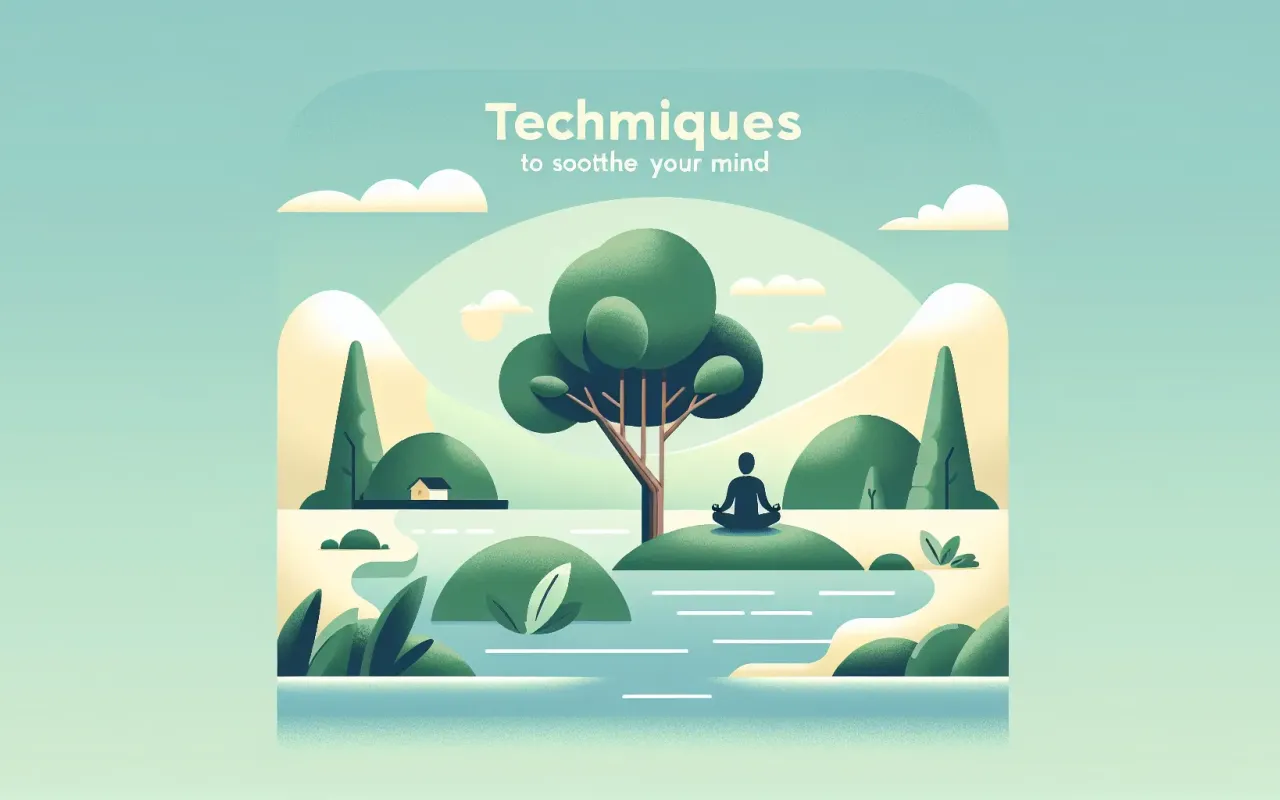
Discover effective techniques in calm meditation for anxiety relief and learn how to soothe your mind. Find valuable insights and practical solutions in this comprehensive guide.
- August 27, 2024
Anxiety is a common experience that many people deal with on a daily basis. While there are numerous strategies to manage anxiety, calm meditation stands out as an effective, natural method for achieving anxiety relief. This article explores several techniques in calm meditation for anxiety relief, providing you with practical solutions to soothe your mind.
Understanding Anxiety and Its Impact
Anxiety is characterized by feelings of tension, worried thoughts, and physical changes like increased blood pressure. It can be triggered by various factors such as stress, trauma, or underlying health conditions. Chronic anxiety can significantly impact your quality of life, leading to difficulties in work, relationships, and overall well-being.
The Benefits of Calm Meditation for Anxiety Relief
Calm meditation involves practices that help focus the mind and promote relaxation. Research has shown that regular meditation can reduce anxiety symptoms by altering brain regions associated with worry and fear.
Enhanced Self-Awareness
Meditation increases self-awareness, allowing you to recognize the patterns of anxiety and address them proactively.
Improved Emotional Health
By fostering a deeper connection with your emotions, meditation helps manage stress and reduces the intensity of anxious feelings.
Better Focus and Concentration
Calm meditation enhances your ability to concentrate, making it easier to stay present and reduce the tendency to ruminate on anxious thoughts.
Effective Meditation Techniques for Anxiety Relief
There are various meditation techniques that can help alleviate anxiety. Below are some of the most effective methods.
Mindfulness Meditation
Mindfulness meditation involves focusing on the present moment without judgment. To practice mindfulness meditation:
- Find a quiet place to sit comfortably.
- Close your eyes and focus on your breath.
- Acknowledge and observe your thoughts without getting attached to them.
- Return your focus to your breath whenever distractions arise.
Guided Meditation
Guided meditation involves listening to a recorded meditation session led by an instructor. This technique can be particularly helpful for beginners as it provides structure and guidance.
- Choose a guided meditation focusing on anxiety relief.
- Find a comfortable spot and follow the instructor's directions.
- Allow yourself to be led through the meditation process, focusing on the instructor's voice and instructions.
Body Scan Meditation
Body scan meditation involves paying attention to different parts of your body, promoting relaxation and increased awareness of physical sensations.
- Lie down or sit comfortably.
- Close your eyes and take deep, calming breaths.
- Focus on different areas of your body, starting from your toes and moving up to your head.
- Notice any sensations, tension, or discomfort, and breathe into those areas to release stress.
Breath Awareness Meditation
Focusing on your breath is a simple yet powerful way to calm the mind and reduce anxiety.
- Sit comfortably and close your eyes.
- Take slow, deep breaths, paying attention to the rise and fall of your chest.
- If your mind wanders, gently bring your focus back to your breath.
Mantra Meditation
In mantra meditation, you silently repeat a calming word or phrase (mantra) to focus and quiet your mind.
- Choose a mantra, such as "peace" or "calm."
- Sit comfortably and close your eyes.
- Silently repeat the mantra in your mind with each breath.
- Focus on the sound and vibration of the mantra, allowing it to soothe your mind.
Incorporating Meditation into Your Daily Routine
Incorporating meditation into your daily routine can help you manage anxiety more effectively. Here are some tips to help you get started:
Set a Regular Time
Choose a specific time each day to meditate. This could be in the morning, during a lunch break, or before bedtime. Consistency is key to making meditation a habit.
Create a Comfortable Space
Designate a quiet, comfortable space for meditation. This can be a corner of a room with minimal distractions and soothing elements like cushions and soft lighting.
Start Small
If you’re new to meditation, start with just a few minutes a day and gradually increase the duration as you become more comfortable with the practice.
Stay Patient and Persistent
Meditation is a skill that takes time to develop. Be patient with yourself and stay persistent, even if you find it challenging at first.
Mix It Up
Experiment with different meditation techniques to find what works best for you. Combining various methods can keep your practice interesting and effective.
Additional Tips for Managing Anxiety
Besides meditation, several other practices can contribute to anxiety management:
Exercise Regularly
Physical activity helps reduce anxiety by releasing endorphins and improving overall mood.
Maintain a Healthy Diet
A balanced diet rich in fruits, vegetables, and whole grains can positively impact mental health.
Get Enough Sleep
Adequate sleep is crucial for emotional regulation and anxiety management. Aim for 7-9 hours of quality sleep each night.
Stay Connected
Maintaining social connections with friends and family provides emotional support and reduces feelings of isolation.
Seek Professional Help
If anxiety becomes overwhelming, consider seeking help from a mental health professional who can offer therapy and other treatments tailored to your needs.
Conclusion
Calm meditation for anxiety relief offers a range of techniques to help soothe your mind and improve your overall well-being. By incorporating mindfulness, guided meditation, body scan, breath awareness, and mantra meditation into your daily routine, you can effectively manage anxiety and enhance your quality of life. Remember, consistency and patience are essential in making meditation a beneficial practice. Alongside meditation, adopting healthy lifestyle habits such as regular exercise, a balanced diet, and maintaining social connections can further support your journey towards anxiety relief and mental wellness.