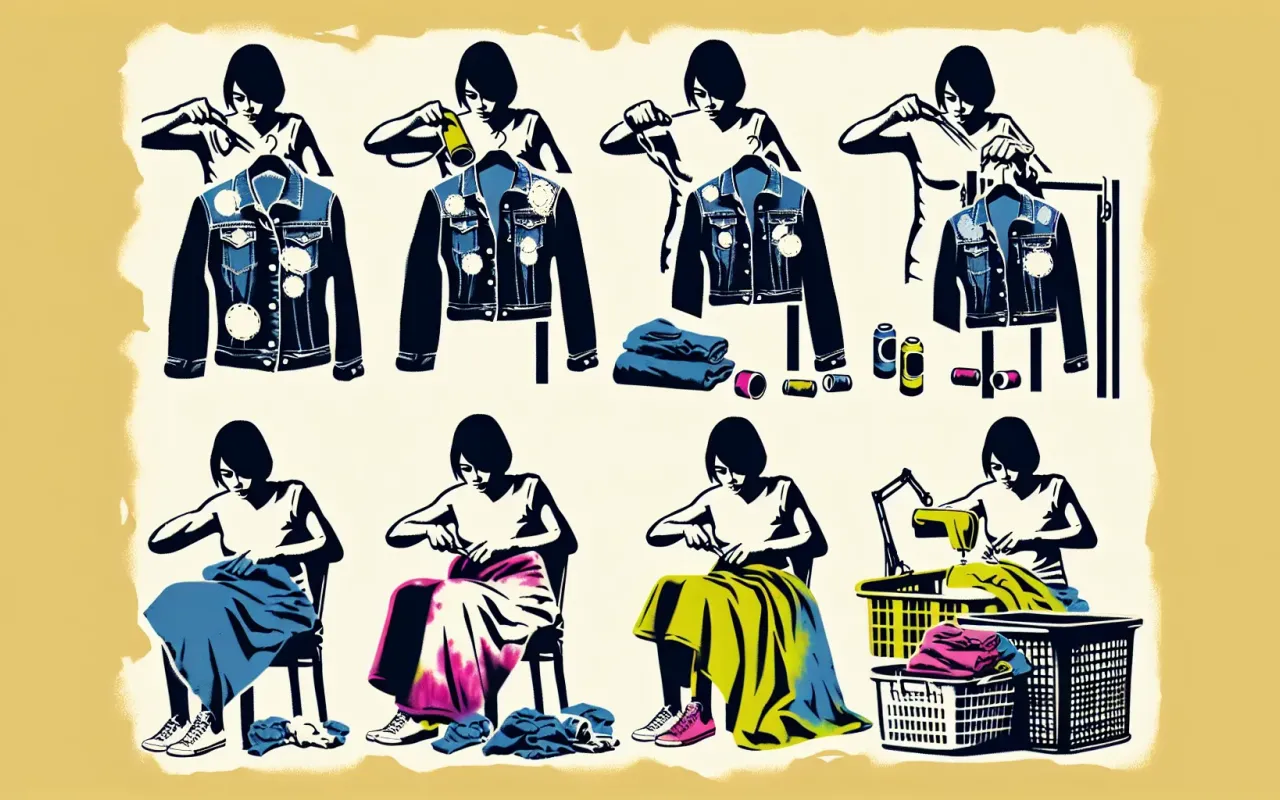
Discover creative and practical methods for upcycling clothes at home. Learn how to give your wardrobe a fresh look with easy-to-follow tips and techniques.
- August 27, 2024
In the age of fast fashion and consumerism, upcycling clothes at home has become an essential and sustainable practice. Not only does it give new life to old garments, but it also allows for personal expression and creativity. This comprehensive guide will provide you with innovative ideas and practical tips on how to upcycle clothes at home.
Understanding Upcycling: The Basics
Before diving into the myriad ways to upcycle clothing, it's vital to understand what upcycling entails. Upcycling involves transforming old or unused items into something useful and often beautiful. Unlike recycling, which typically breaks down materials, upcycling preserves the structure of the original item, extending its lifecycle and reducing waste.
Getting Started: Tools and Materials
Essential Tools
To successfully upcycle clothes, you'll need a few basic tools:
- Sewing Machine: For major alterations.
- Needle and Thread: For hand-sewing small details.
- Fabric Scissors: Sharp and precise for cutting fabric.
- Seam Ripper: Essential for removing stitches without damaging fabric.
- Iron: To press seams and remove wrinkles.
- Measuring Tape: For accurate alterations.
Additional Materials
Depending on your projects, you might also need:
- Fabric glue or fusible bonding web
- Buttons, zippers, and snaps
- Ribbons, lace, and other decorative trims
- Fabric paints and markers
- Patterns and stencils
Creative Upcycling Ideas
1. T-Shirts to Tote Bags
One of the easiest ways to upcycle an old t-shirt is by turning it into a tote bag. Simply cut off the sleeves and neckline, turn it inside out and sew the bottom shut. Turn it right-side-out again, and you have a reusable bag perfect for groceries or beach essentials.
2. Denim Revamp
Old jeans are a goldmine for upcycling projects. Create stylish shorts by cutting them to your desired length and adding some embellishments like lace or patches. Alternatively, transform them into a chic denim skirt or even a handy apron for gardening or crafting.
3. Sweater Pillows
Upcycle worn-out sweaters into cozy pillow covers. Cut sections of the sweater to fit your pillow forms, sew the edges together, and you have a unique addition to your home décor.
4. Vintage Scarves into Tops
Vintage scarves can be repurposed into fashionable tops. Either sew several together for a bohemian look or simply tie one around your chest for a chic, effortless outfit.
5. Dress to Skirt Transformation
If you have dresses that no longer fit or are out of style, consider converting them into skirts. Depending on the design, you might just need to trim the upper portion and add an elastic waistband for a brand-new skirt.
6. Embellish with Embroidery
Give plain garments a whole new vibe with some creative embroidery. Even simple designs can create a significant impact, adding a personal and artistic touch to your clothes.
Benefits of Upcycling Clothes
Environmental Impact
Upcycling reduces textile waste and minimizes the demand for new resources, thus lowering the overall environmental footprint of your wardrobe.
Economic Savings
By upcycling, you save money that would otherwise be spent on new clothing. Plus, you can often create custom and high-quality items for a fraction of the retail price.
Personal Satisfaction
There's a unique satisfaction that comes from creating something with your own hands. Upcycling allows you to wear your creativity and skills with pride.
Common Challenges and Solutions
Finding Time
Balancing a busy schedule with upcycling projects can be challenging. Start with small projects that can be completed within a short time. Dedicate specific times of the week to work on larger pieces.
Learning New Skills
If you are new to sewing or DIY crafts, consider online tutorials and classes. Many free resources are available that cater to beginners and can guide you through the process step-by-step.
Maintaining Consistency
Consistency in design can be tough, especially when working with various materials and techniques. Keep a project journal to plan and track your designs, sketches, and materials, ensuring a cohesive final product.
Conclusion
Knowing how to upcycle clothes at home not only refreshes your wardrobe but also fosters a sustainable and creative lifestyle. With the right tools, materials, and techniques, your old clothes can find new life in unique and stylish forms. Remember, the key to successful upcycling is creativity and willingness to experiment. Start small, dream big, and transform your wardrobe with personal touches that reflect your uniqueness.