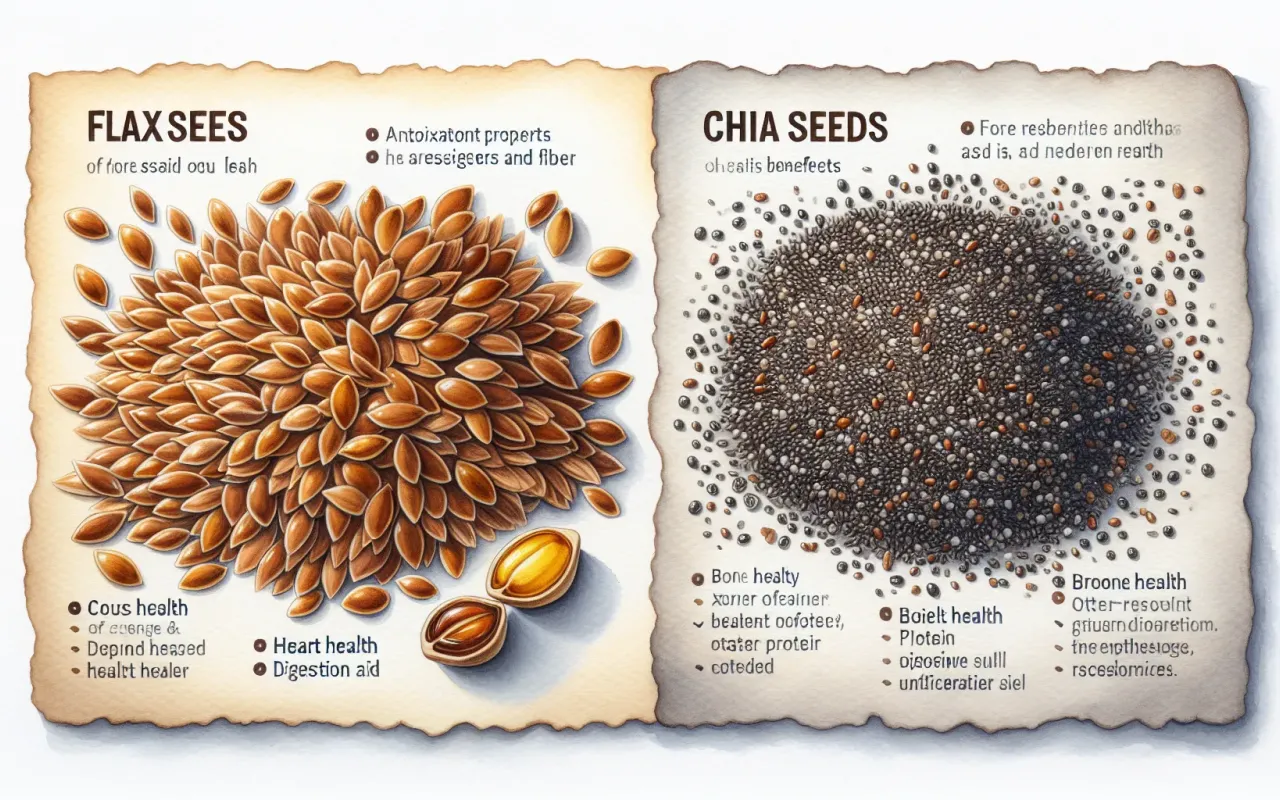
Discover the key differences between flaxseeds and chia seeds and explore their unique health benefits. Find out which seed is better for your specific needs.
- August 26, 2024
AceShowbiz - Flaxseeds and chia seeds are among the most popular superfoods today, often touted for their nutritional value and potential health benefits. Yet, many consumers often wonder about the difference between flaxseeds and chia seeds. This article aims to clarify the distinctions and benefits of these nutritious seeds, helping you make informed dietary choices.
Introduction to Flaxseeds and Chia Seeds
Both flaxseeds and chia seeds have roots in ancient diets and have been used for centuries across various cultures. Flaxseeds are derived from the flax plant, first cultivated in Babylon around 3000 BC. Chia seeds originate from the desert plant Salvia hispanica, a member of the mint family, and were a staple food in ancient Aztec and Mayan diets.
Nutritional Profile
Flaxseeds
Flaxseeds are nutritionally dense and offer a high concentration of omega-3 fatty acids, specifically alpha-linolenic acid (ALA). They are also rich in:
- Fiber
- Protein
- Vitamin B1 (Thiamine)
- Manganese
- Magnesium
- Phosphorus
Chia Seeds
Chia seeds, although smaller in size, pack quite a nutritional punch. They are also a good source of omega-3 fatty acids and contain:
- Fiber
- Protein
- Calcium
- Phosphorus
- Magnesium
- Antioxidants
Health Benefits
Heart Health
Both seeds contain omega-3 fatty acids, which are essential for heart health. Omega-3s help reduce inflammation, lower blood pressure, and decrease cholesterol levels.
Digestive Health
The high fiber content in both flaxseeds and chia seeds aids in digestion. Soluble fiber, in particular, helps to regulate blood sugar levels and promote regular bowel movements.
Bone Health
Chia seeds are particularly beneficial for bone health due to their higher phosphorus and calcium content when compared to flaxseeds. These minerals are essential for maintaining strong bones and teeth.
Weight Management
Both flaxseeds and chia seeds can aid in weight management. Their high fiber content makes them filling, helping you feel satiated for longer periods.
Usage in Diet
Flaxseeds
Flaxseeds can be consumed in their whole form, but it's often recommended to grind them to enhance nutrient absorption. They can be sprinkled over cereals, salads, and yogurt, or mixed into smoothies and baked goods.
Chia Seeds
Chia seeds can be eaten raw or soaked in liquid, which causes them to expand and form a gel-like consistency. They can be added to beverages like smoothies, water, or almond milk, and are also popular in puddings and oatmeal.
Key Differences
When comparing the difference between flaxseeds and chia seeds, several factors stand out:
Nutritional Content
While both seeds are nutritionally beneficial, chia seeds generally contain more calcium and fiber than flaxseeds. On the other hand, flaxseeds offer higher levels of omega-3 fatty acids.
Preparation and Consumption
Flaxseeds should generally be ground for optimal nutrient absorption, whereas chia seeds can be eaten whole or soaked. Chia seeds also have a unique gelatinous property when soaked, making them versatile for different recipes.
Texture and Taste
Flaxseeds have a slightly nutty flavor and a crunchy texture when ground. Chia seeds, on the other hand, are relatively tasteless and develop a gel-like consistency when soaked, making them easy to incorporate into various dishes without altering the flavor significantly.
Conclusion
Both flaxseeds and chia seeds bring significant nutritional benefits to the table. The choice between them ultimately depends on your specific dietary needs and preferences. Whether you're looking to boost your omega-3 intake or seeking a high-fiber addition to your diet, both seeds serve as excellent options. Understanding the difference between flaxseeds and chia seeds allows you to make informed choices, ensuring that your diet is both balanced and nutritious.