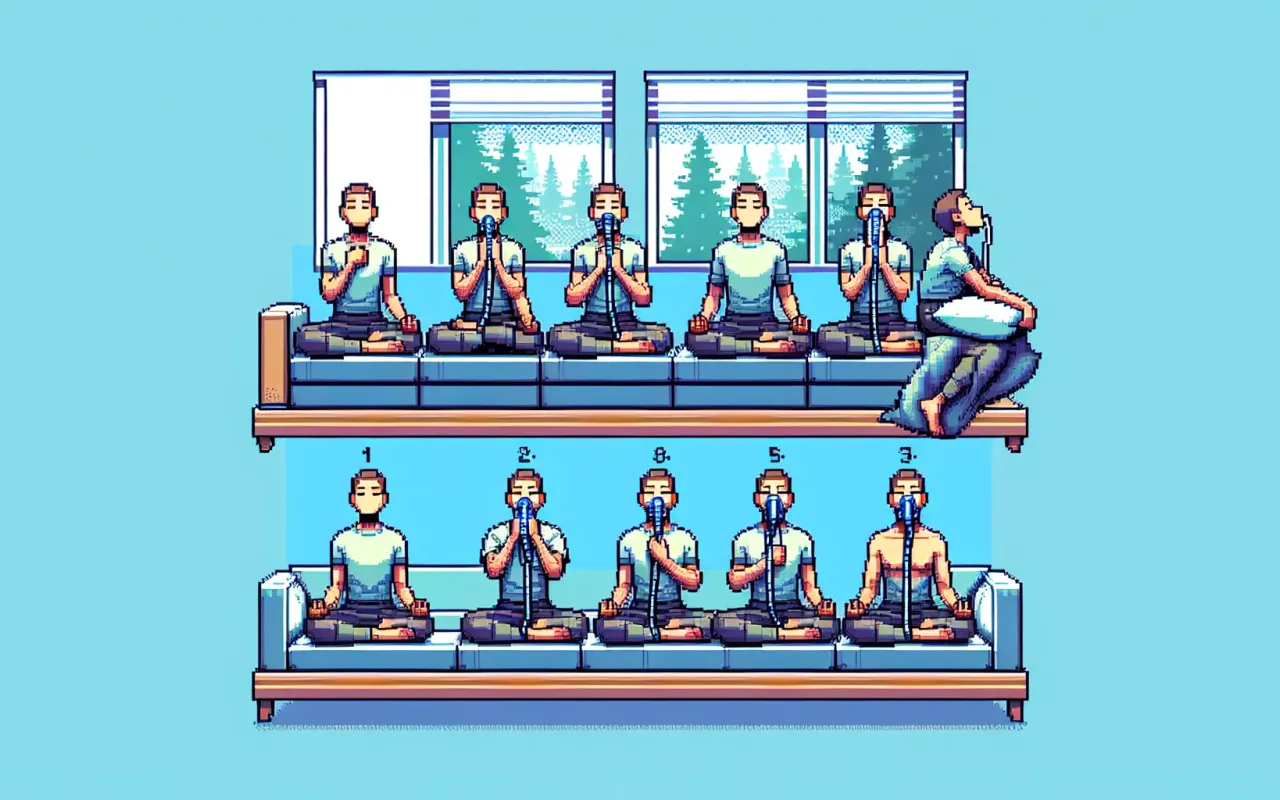
Discover effective step-by-step deep breathing techniques for anxiety. Learn how to manage anxiety with these scientifically-backed methods.
- August 26, 2024
Managing anxiety effectively is crucial for mental health and well-being. Among various methods, deep breathing techniques stand out as a simple yet powerful tool. This comprehensive guide will walk you through step-by-step deep breathing techniques for anxiety, providing practical solutions that you can implement right away.
Understanding Anxiety and the Role of Deep Breathing
Anxiety disorders are among the most common mental health issues globally. They can range from generalized anxiety to panic disorders. Stress and anxiety result in shallow, rapid breathing, which exacerbates the issue. Deep breathing techniques, on the other hand, can help reset the body's stress response, improve oxygen flow, and promote relaxation.
Step-by-Step Deep Breathing Techniques for Anxiety
1. Diaphragmatic Breathing (Belly Breathing)
Step 1: Find a comfortable seated or lying position.
Step 2: Place one hand on your chest and the other on your belly.
Step 3: Inhale deeply through your nose, allowing your belly to rise while keeping your chest still.
Step 4: Exhale slowly through your mouth, feeling your belly fall.
Step 5: Repeat for 5-10 minutes daily or as needed.
2. 4-7-8 Breathing Technique
Step 1: Sit or lie down in a comfortable position.
Step 2: Place the tip of your tongue against the ridge of tissue just behind your upper front teeth.
Step 3: Exhale completely through your mouth, making a whooshing sound.
Step 4: Close your mouth and inhale quietly through your nose for a count of 4.
Step 5: Hold your breath for a count of 7.
Step 6: Exhale completely through your mouth, making a whooshing sound for a count of 8.
Step 7: Repeat the cycle three more times.
3. Box Breathing (Square Breathing)
Step 1: Sit upright in a comfortable chair with your feet flat on the floor.
Step 2: Inhale deeply and slowly through your nose for a count of 4.
Step 3: Hold your breath for a count of 4.
Step 4: Exhale slowly through your mouth for a count of 4.
Step 5: Pause and hold for a count of 4.
Step 6: Repeat the process four times, creating a mental image of a box in your mind.
Tips for Maximizing the Benefits of Deep Breathing Techniques
Consistency is Key
Practice these techniques regularly, even when you are not feeling anxious. Consistent practice helps ingrain the habit, making it easier to implement during high-stress situations.
Create a Relaxing Environment
Find a quiet space where you feel safe and can concentrate on your breathing without interruptions. Dim the lights, play calming music, or light a scented candle to enhance the ambiance.
Combine with Other Relaxation Techniques
For added benefits, combine deep breathing techniques with other relaxation methods such as progressive muscle relaxation, visualization, or yoga. This holistic approach can provide a comprehensive anxiety management strategy.
Understanding the Science Behind Deep Breathing
Deep breathing activates the parasympathetic nervous system, specifically the vagus nerve, which leads to a reduction in heart rate and blood pressure. This response counteracts the 'fight or flight' response triggered by anxiety. Moreover, focusing on breath control can divert attention from anxious thoughts, providing a mental break.
Conclusion
Mastering step-by-step deep breathing techniques for anxiety can profoundly impact your mental health. By practicing diaphragmatic breathing, the 4-7-8 technique, and box breathing regularly, you can equip yourself with reliable tools to combat anxiety and promote overall well-being. Remember, the key to success lies in consistency and creating an environment conducive to relaxation. Begin integrating these techniques into your daily routine to experience their full benefits.