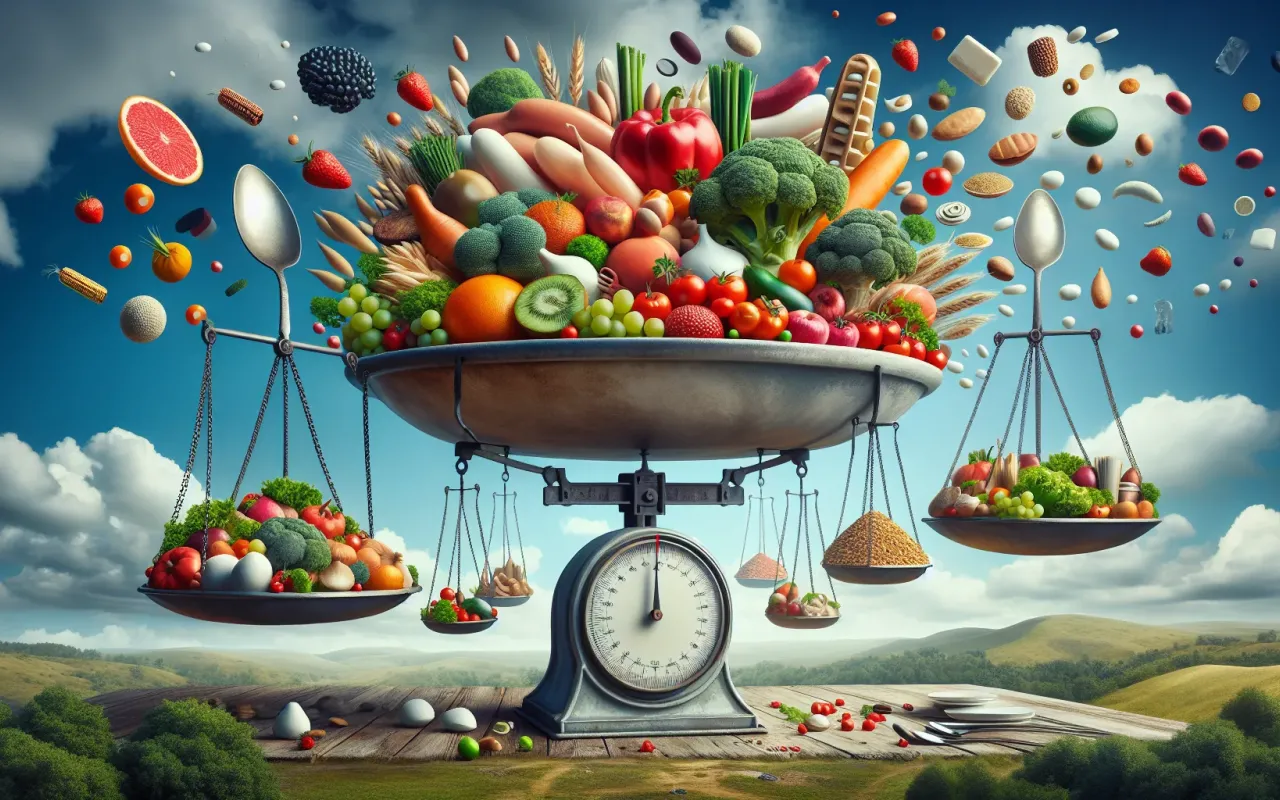
Discover how to master portion sizes for balanced meals with this comprehensive guide. Learn tips for healthy eating and improve your diet today!
- August 26, 2024
Introduction
In today's fast-paced world, it can be challenging to maintain a balanced diet. Between work, family responsibilities, and social obligations, meal planning and portion control often take a backseat. This comprehensive guide focuses on mastering portion sizes for balanced meals to help you achieve and maintain a healthy lifestyle. We will delve into the importance of portion control, practical tips, and strategies for eating balanced meals that can easily fit into your daily routine.
The Importance of Portion Sizes in a Balanced Diet
Understanding portion sizes is crucial for maintaining a balanced diet. Eating too much or too little of any food group can disrupt your nutritional balance and lead to health issues. By mastering portion sizes, you can:
- Ensure adequate nutrient intake
- Maintain a healthy weight
- Improve digestion
- Enhance energy levels
Understanding Serving Sizes vs. Portion Sizes
Serving Sizes
Serving sizes are standardized amounts of food recommended by health authorities. These measurements are found on nutrition labels and help compare the nutritional content of similar foods. They serve as guidelines for what constitutes a single serving of a food or beverage.
Portion Sizes
Portion sizes refer to the amount of food you choose to eat at one time. Unlike serving sizes, portions can vary drastically based on individual preferences and hunger levels. Understanding the difference between serving sizes and portion sizes is key to managing how much you eat and making healthier food choices.
Practical Tips for Controlling Portion Sizes
Use Smaller Plates
Using smaller plates can trick your brain into thinking you are eating more. This tip helps reduce the likelihood of overeating, especially with calorie-dense foods.
Portion Out Your Servings
Rather than eating straight from the package, portion out a serving size and put the rest away. This simple practice can help you avoid consuming more than intended.
Read Nutrition Labels
Nutritional labels provide essential information about serving sizes and nutrient content. Familiarize yourself with these labels to better understand appropriate portion sizes for various foods.
Practice Mindful Eating
Mindful eating involves paying full attention to the experience of eating. It encourages you to eat slowly, savor each bite, and recognize when you are full, which can reduce overeating.
Avoid Eating Straight from Large Packages
Eating from large packages can lead to unintentional overconsumption. Instead, place a reasonable portion on a plate or bowl.
Balancing Meals with Proper Portion Sizes
A balanced meal typically includes a mix of macronutrients: carbohydrates, proteins, and fats, as well as vitamins and minerals. Here’s a guide to balancing your meals:
50% Vegetables and Fruits
Fill half your plate with vegetables and fruits. They are low in calories but high in essential nutrients such as vitamins, minerals, and fiber.
25% Proteins
Proteins are crucial for muscle repair and growth. Ensure that a quarter of your plate is composed of lean proteins, such as chicken, fish, beans, or tofu.
25% Whole Grains
Whole grains provide essential carbohydrates and fiber. Fill the remaining quarter of your plate with whole grains like brown rice, quinoa, or whole wheat pasta.
Healthy Fats
Don’t forget to include sources of healthy fats, such as avocados, nuts, and olive oil, which are necessary for brain function and hormone production.
Tools and Techniques for Measuring Portions
Several tools and techniques can aid in accurately measuring portions:
Measuring Cups and Spoons
Using measuring cups and spoons helps ensure you are consuming the recommended serving sizes.
Food Scales
Food scales provide precise measurements, especially useful for portioning meats and cooked grains.
The Hand Method
For situations where measuring tools are unavailable, use your hand as a guide:
- Protein: A portion should be about the size of your palm.
- Vegetables: A portion should be about the size of your fist.
- Grains and Carbs: A portion should be about the size of a cupped hand.
- Fats: A portion should be about the size of your thumb.
Special Considerations for Different Demographics
Portion sizes can vary based on age, activity level, and dietary needs:
Children
Children's energy needs are different from adults. Portion sizes should be adjusted to their smaller appetites and nutritional requirements.
Athletes
Athletes may require larger portions and additional nutrients to support their higher energy expenditures and training demands.
Older Adults
Older adults might need fewer calories but more of certain nutrients like calcium and vitamin D. Adjust portion sizes to prevent overconsumption while ensuring nutrient adequacy.
Common Mistakes and How to Avoid Them
Skipping Meals
Skipping meals can lead to overeating later in the day. Maintain regular meal times with manageable portion sizes.
Eating While Distracted
Eating while watching TV or working can lead to consuming larger portions without realizing it. Focus on your meal to better control portions.
Underestimating Liquid Calories
Drinks can be a hidden source of excess calories. Be mindful of portion sizes for beverages, favoring water, or unsweetened drinks.
Conclusion
Mastering portion sizes for balanced meals is a vital step towards achieving and maintaining a healthy lifestyle. By understanding the difference between serving sizes and portions, employing practical tips for portion control, and balancing your meals appropriately, you can significantly enhance your dietary habits. Remember to adjust portion sizes based on individual needs and stay mindful of your eating practices. Implementing these strategies can lead to improved health, better energy levels, and overall well-being.