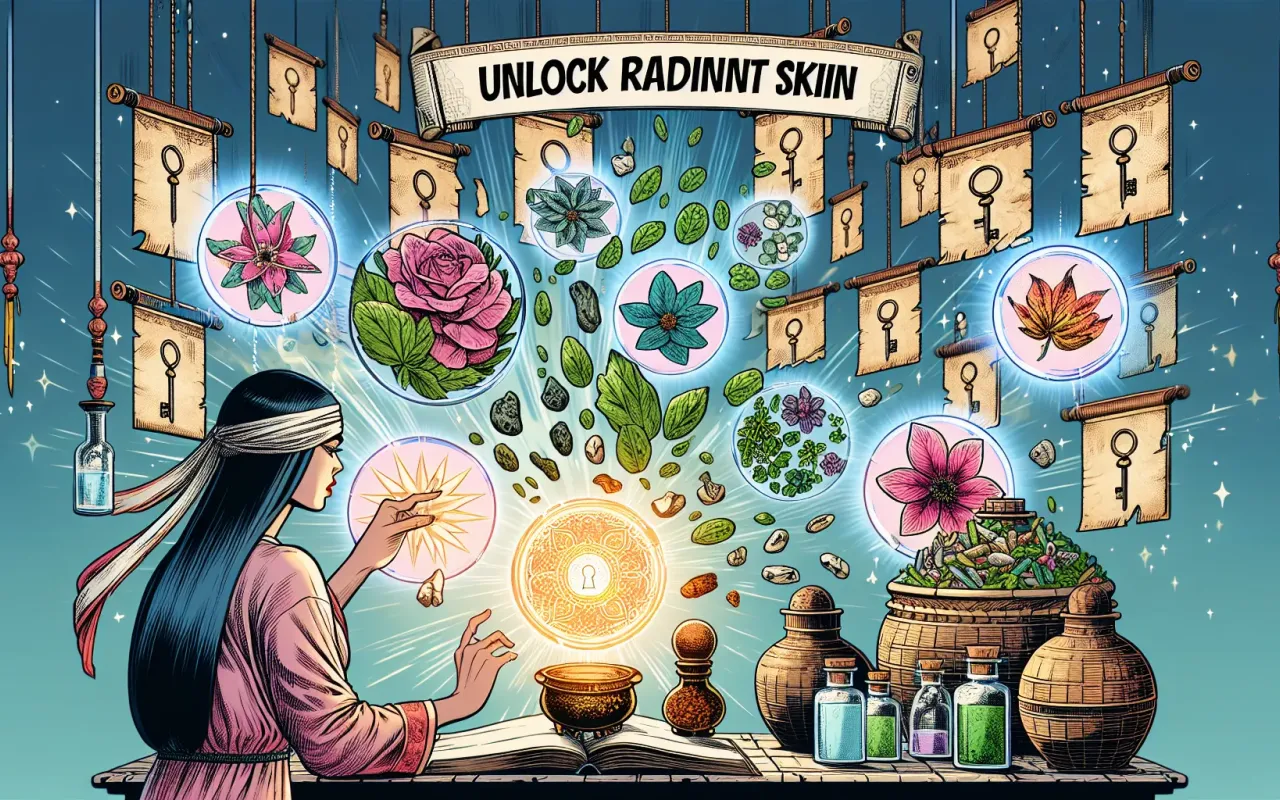
Explore the age-old wisdom of Traditional Chinese Medicine and discover how Chinese herbs for skin care can unlock radiant skin. Learn expert tips and solutions.
- August 26, 2024
Introduction
In today's beauty-driven world, the quest for radiant skin is undoubtedly one of the most pursued goals. While modern skincare trends come and go, Traditional Chinese Medicine (TCM) has been leveraging the power of nature for centuries to achieve glowing skin. This article delves into Chinese herbs for skin care in Traditional Chinese Medicine, exploring their benefits, uses, and the underlying principles guiding their application.
The Philosophy of Traditional Chinese Medicine
Traditional Chinese Medicine is a holistic healthcare system that dates back thousands of years. It is based on the belief that good health results from harmony and balance within the body. TCM practitioners use a variety of methods, including acupuncture, dietary therapy, and herbal medicine, to restore and maintain this balance.
Skincare in TCM goes beyond surface-level symptoms. It addresses the root causes of skin issues, which are often tied to internal imbalances. Chinese herbs play a pivotal role in this process, as they help to correct these imbalances and promote overall well-being.
Chinese Herbs for Skin Care: Key Ingredients and Benefits
1. Ginseng (Ren Shen)
Ginseng is a well-known adaptogen that helps the body cope with stress. In TCM, it is valued for its ability to increase energy levels and blood circulation, making it beneficial for skin rejuvenation. Ginseng improves skin elasticity, reduces wrinkles, and promotes a healthy glow.
2. Goji Berries (Gou Qi Zi)
Rich in antioxidants, goji berries protect the skin from free radicals and environmental damage. They are also known to enhance skin hydration and improve skin tone. TCM practitioners use goji berries to nourish the liver and kidneys, which in turn positively affects skin health.
3. Licorice Root (Gan Cao)
Licorice root is widely used in TCM for its anti-inflammatory and anti-microbial properties. It helps in reducing skin redness, soothing irritation, and combating acne. Additionally, licorice has natural skin-brightening properties that help in evening out the skin tone.
4. Chinese Angelica Root (Dang Gui)
This herb is renowned for its ability to improve blood circulation and skin nourishment. Dang Gui helps to maintain youthful skin by promoting cell regeneration and reducing the appearance of age spots and hyperpigmentation.
5. White Peony Root (Bai Shao)
White peony root is used to calm the skin and reduce inflammation. It is particularly beneficial for sensitive skin, as it soothes and protects against irritants. White peony root also enhances the skin's natural glow and radiance.
How to Use Chinese Herbs for Skin Care
Topical Applications
Many Chinese herbs are incorporated into topical products such as creams, serums, and masks. These products are designed to deliver the benefits of the herbs directly to the skin. For instance, ginseng-infused creams can revitalize the skin, while licorice root serums can help to lighten pigmentation.
Herbal Teas and Soups
To address internal imbalances that affect skin health, TCM practitioners often recommend herbal teas and soups. These can be tailored to individual needs and help to detoxify the body, improve digestion, and enhance overall health. Consuming goji berry tea, for example, can provide antioxidants that protect the skin from within.
Herbal Pills and Tinctures
For more targeted internal treatments, herbal pills and tinctures are prescribed. These formulations typically combine multiple herbs to address specific health concerns. For skin care, a practitioner might recommend a formula containing white peony root and Chinese angelica root to promote clear and radiant skin.
Common Skin Issues and TCM Solutions
Acne
Acne is often linked to excessive heat and dampness in the body. TCM practitioners might use herbs like honeysuckle (Jin Yin Hua) and dandelion (Pu Gong Ying) to clear heat and detoxify the body. Applying a combination of these herbs topically can also help to reduce inflammation and prevent breakouts.
Dry Skin
Dry skin can be a result of Yin deficiency or blood deficiency. Herbs like polygonatum root (Huang Jing) and rehmannia root (Shu Di Huang) are used to nourish Yin and replenish fluids. TCM dietary recommendations might include eating more foods that are moistening, such as soups and stews.
Hyperpigmentation
Hyperpigmentation is often treated by addressing liver health, as the liver is closely tied to skin pigmentation in TCM. White peony root and lotus seed (Lian Zi) are commonly used to nourish the liver and clear blemishes. Additionally, topical treatments with licorice root can help to reduce dark spots.
Conclusion
Traditional Chinese Medicine offers a rich repository of resources for achieving and maintaining healthy, radiant skin. By addressing both internal imbalances and external symptoms, Chinese herbs for skin care in Traditional Chinese Medicine provide holistic solutions that stand the test of time. Whether through topical applications, herbal teas, or dietary adjustments, these ancient practices offer natural and effective ways to enhance skin health. For those seeking radiant skin, delving into TCM can unlock a time-honored path to beauty and well-being.