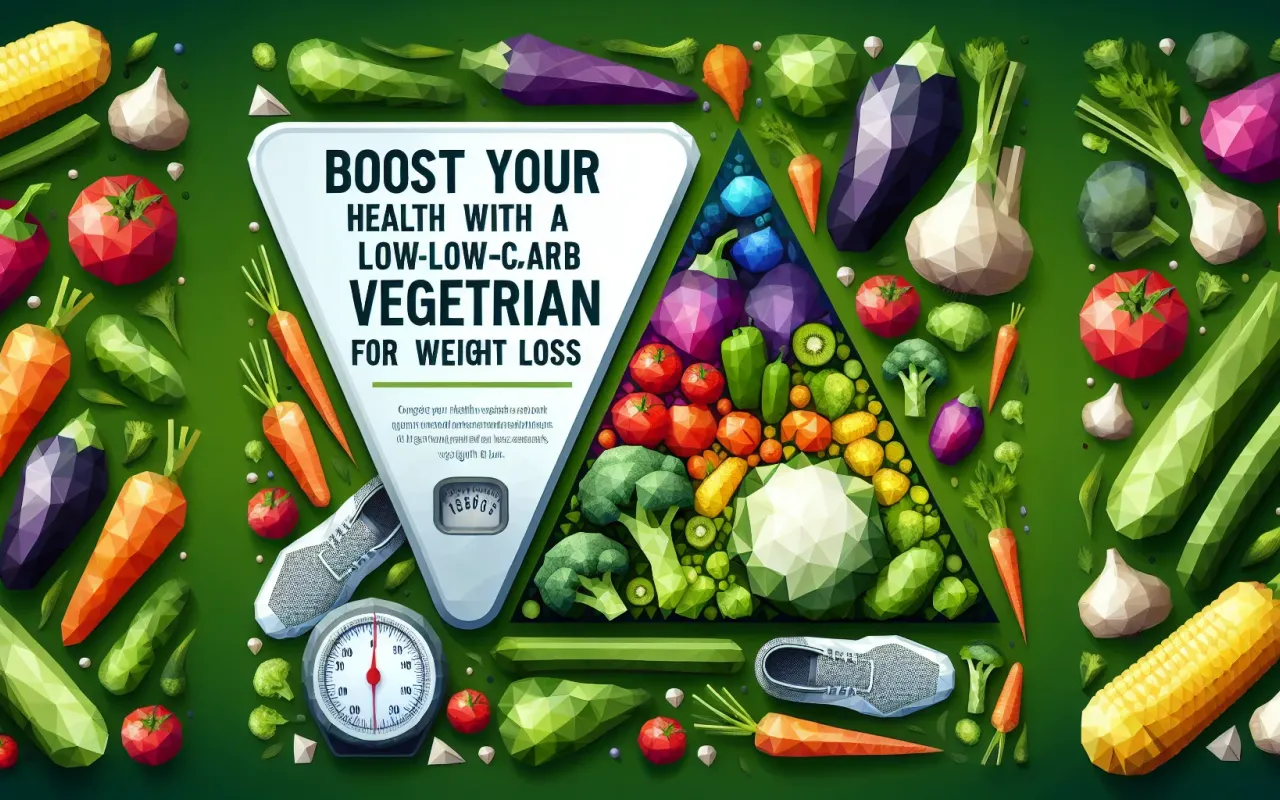
Discover how a low-carb vegetarian diet can help you lose weight, improve your health, and sustain long-term well-being.
- August 26, 2024
In today's world, people are constantly seeking effective ways to lose weight and improve their overall wellbeing. A low-carb vegetarian diet can be an excellent choice for those looking to shed pounds while enjoying a variety of plant-based foods. This article will explore the benefits, foods to include and avoid, and practical tips for adopting a low-carb vegetarian diet for weight loss.
Understanding Low-Carb Vegetarian Diets
A low-carb vegetarian diet combines the principles of low-carb eating with vegetarianism, focusing on minimizing carbohydrate intake while excluding meat. It emphasizes high-quality plant-based proteins, healthy fats, and non-starchy vegetables.
Benefits of a Low-Carb Vegetarian Diet for Weight Loss
Adopting a low-carb vegetarian diet can offer numerous health benefits, especially for weight loss. Below are some key advantages:
1. Reduces Caloric Intake
By focusing on nutrient-dense, low-carb foods, this diet helps to naturally reduce caloric intake, which is crucial for weight loss.
2. Stabilizes Blood Sugar Levels
A low-carb vegetarian diet helps to stabilize blood sugar levels, reducing cravings and the urge to overeat, thereby promoting consistent weight loss.
3. Enhances Metabolic Rate
High-quality proteins and healthy fats can boost your metabolic rate, aiding in the more efficient burning of calories and fat.
4. Improves Digestive Health
Plant-based diets are rich in fiber, which supports healthy digestion and prevents bloating and constipation, often associated with high-carb diets.
Best Foods for a Low-Carb Vegetarian Diet
Incorporate these foods into your diet to ensure you are getting sufficient nutrients while keeping your carbohydrate intake low:
1. Non-Starchy Vegetables
Leafy greens (spinach, kale), cruciferous vegetables (broccoli, cauliflower), and other non-starchy veggies (zucchini, bell peppers) are low in carbs and rich in nutrients.
2. Plant-Based Proteins
Include tofu, tempeh, edamame, and other soy products. Also consider legumes like lentils and chickpeas, but in moderate quantities due to their carbohydrate content.
3. Nuts and Seeds
Almonds, chia seeds, flaxseeds, and pumpkin seeds offer healthy fats, protein, and fiber, contributing to satiety and overall health.
4. Healthy Fats
Embrace avocado, olive oil, coconut oil, and nuts, which provide essential fatty acids that are important for maintaining energy and metabolic function.
5. Low-Carb Dairy and Alternatives
Consider Greek yogurt, cottage cheese, and nut-based milk alternatives that are low in carbs and high in protein.
Foods to Avoid on a Low-Carb Vegetarian Diet
To stay true to the low-carb approach, make sure to avoid or limit the following foods:
1. Starchy Vegetables
Potatoes, corn, and peas are high in carbohydrates and should be eaten sparingly.
2. Grains and Cereals
Rice, pasta, bread, and other grains are typically high in carbs and should be minimized or eliminated.
3. Sugary Foods and Beverages
Avoid sweets, sugary drinks, and processed snacks, which can spike blood sugar and lead to weight gain.
4. High-Carb Fruits
Limit fruits like bananas, grapes, and mangoes that have higher sugar content. Opt for berries, which are lower in carbs.
Tips for Successfully Adopting a Low-Carb Vegetarian Diet
1. Plan Your Meals
Planning your meals in advance helps you stay on track and ensures that you have a variety of low-carb, vegetarian options available.
2. Monitor Your Carb Intake
Keep an eye on your carbohydrate consumption to ensure you’re staying within your desired range. Apps and food diaries can be particularly helpful.
3. Find Creative Recipes
Explore new recipes that incorporate low-carb vegetarian ingredients to keep your meals exciting and satisfying.
4. Stay Hydrated
Drinking plenty of water aids in digestion, curbs hunger, and helps your body function efficiently. Aim for at least 8 glasses of water daily.
5. Listen to Your Body
Pay attention to how your body responds to different foods and adjust your diet accordingly. Everyone's nutritional needs are unique.
Conclusion
Adopting a low-carb vegetarian diet for weight loss can lead to significant health improvements, including better weight management, stabilized blood sugar levels, and enhanced metabolic health. By focusing on nutrient-dense, low-carb foods and avoiding high-carb options, you can enjoy a variety of delicious meals while reaping the benefits of this dietary approach. Start by gradually making changes to your eating habits, planning your meals, and staying informed about the best food choices for your diet. With dedication and mindful eating, you can achieve your weight loss goals while maintaining a healthy and balanced vegetarian lifestyle.