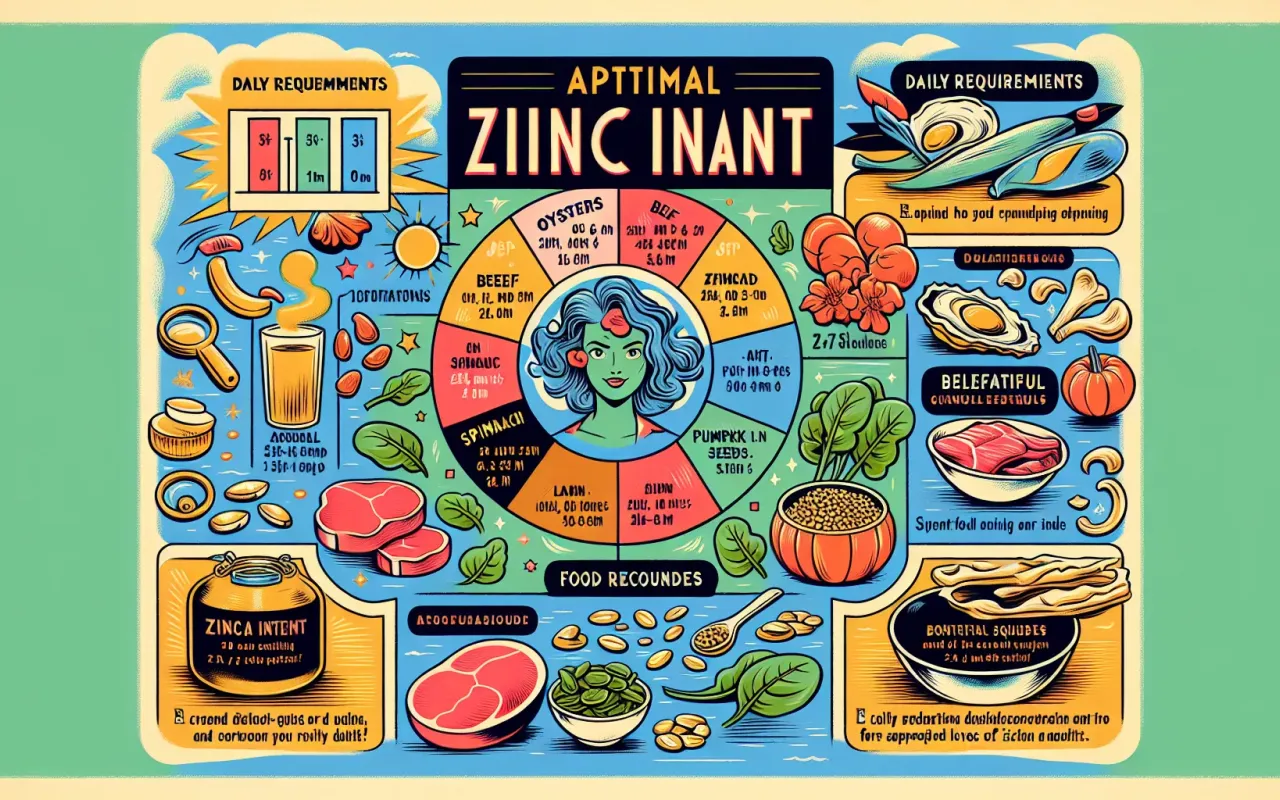
Discover the optimal zinc intake for adults. Learn about the daily requirements, sources of zinc, and the benefits of maintaining proper zinc levels for your health.
- August 26, 2024
Zinc is an essential trace element that plays a significant role in various physiological functions. Despite its importance, many people remain unaware of the optimal zinc intake for adults. In this comprehensive guide, we will explore the daily zinc requirements, the benefits of adequate intake, sources of zinc, potential risks of deficiency and excess, and practical tips to ensure you're getting the right amount of zinc in your diet.
Understanding the Importance of Zinc
Zinc is crucial for numerous bodily functions, including immune system support, DNA synthesis, wound healing, and cell division. It also plays a role in the proper functioning of the senses of taste and smell. Given these varied roles, maintaining the optimal zinc intake for adults is essential for overall health and well-being.
Daily Zinc Requirements for Adults
Recommended Dietary Allowance (RDA)
The Recommended Dietary Allowance (RDA) for zinc varies by age, sex, and life stage. According to the National Institutes of Health (NIH), the RDAs for adults are as follows:
- Adult Men: 11 mg/day
- Adult Women: 8 mg/day
- Pregnant Women: 11 mg/day
- Breastfeeding Women: 12 mg/day
These values are designed to meet the nutritional needs of 97-98% of healthy individuals in each group.
Sources of Zinc
Dietary Sources
One of the best ways to achieve optimal zinc intake for adults is through a balanced diet. Foods rich in zinc include:
- Meat: Beef, pork, and lamb
- Seafood: Oysters, crab, and lobster
- Dairy Products: Milk, cheese, and yogurt
- Nuts and Seeds: Pumpkin seeds, sesame seeds, and cashews
- Legumes: Chickpeas, lentils, and beans
- Whole grains: Quinoa, oatmeal, and brown rice
Supplemental Sources
For those who may find it challenging to meet their zinc needs through diet alone, supplements are an option. Zinc supplements come in various forms, such as zinc gluconate, zinc sulfate, and zinc acetate. It is crucial to consult with a healthcare professional before starting any supplement regimen to ensure it is appropriate for your individual needs.
Benefits of Adequate Zinc Intake
Maintaining optimal zinc intake for adults offers numerous health benefits:
- Immune Function: Zinc is vital for the normal development and function of immune cells. Adequate zinc levels can help reduce the severity and duration of colds.
- Wound Healing: Zinc plays a role in skin integrity and structure, thus facilitating the healing process.
- DNA and Protein Synthesis: Zinc is necessary for the synthesis of DNA, RNA, and proteins, making it essential for growth and development.
- Antioxidant Properties: Zinc has antioxidant properties that help combat oxidative stress and may play a role in chronic disease prevention.
- Reproductive Health: Zinc contributes to fertility and reproductive health in both men and women.
Risks of Zinc Deficiency
Zinc deficiency can lead to a range of health issues, including:
- Impaired immune function, increasing susceptibility to infections
- Delayed wound healing
- Hair loss
- Loss of appetite and impaired taste sensation
- Diarrhea
- Growth retardation in children and adolescents
Individuals at a higher risk of zinc deficiency include those with gastrointestinal diseases, vegetarians, pregnant and breastfeeding women, and individuals with chronic conditions such as diabetes. Ensuring optimal zinc intake for adults can help prevent these adverse health outcomes.
Potential Risks of Excess Zinc Intake
While maintaining adequate zinc intake is crucial, excessive zinc consumption can also be harmful. Symptoms of zinc toxicity include:
- Nausea and vomiting
- Loss of appetite
- Diarrhea
- Headaches
- Immunosuppression
- Lower absorption of other essential minerals, such as copper
The Tolerable Upper Intake Level (UL) for zinc for adults is 40 mg/day. Exceeding this amount, particularly through supplements, may increase the risk of adverse effects. It is crucial to follow recommended guidelines and consult healthcare professionals when considering zinc supplementation.
Practical Tips for Achieving Optimal Zinc Intake
To maintain the optimal zinc intake for adults, consider the following tips:
- Incorporate a variety of zinc-rich foods into your diet.
- Pay attention to dietary factors that affect zinc absorption, such as phytates found in whole grains and legumes, which can inhibit zinc absorption.
- If you follow a plant-based diet, consider increasing your intake of zinc-rich plant foods and, if necessary, discuss supplementation with a healthcare provider.
- Regularly monitor your zinc intake, especially if you belong to a high-risk group for deficiency.
Conclusion
Ensuring optimal zinc intake for adults is essential for maintaining overall health and preventing deficiency-related issues. By understanding the daily requirements, incorporating zinc-rich foods into your diet, and being mindful of potential risks associated with both deficiency and excess, you can achieve a balanced zinc intake that supports your well-being. Always consult healthcare professionals for personalized advice, particularly if considering supplements or when dealing with specific health conditions.