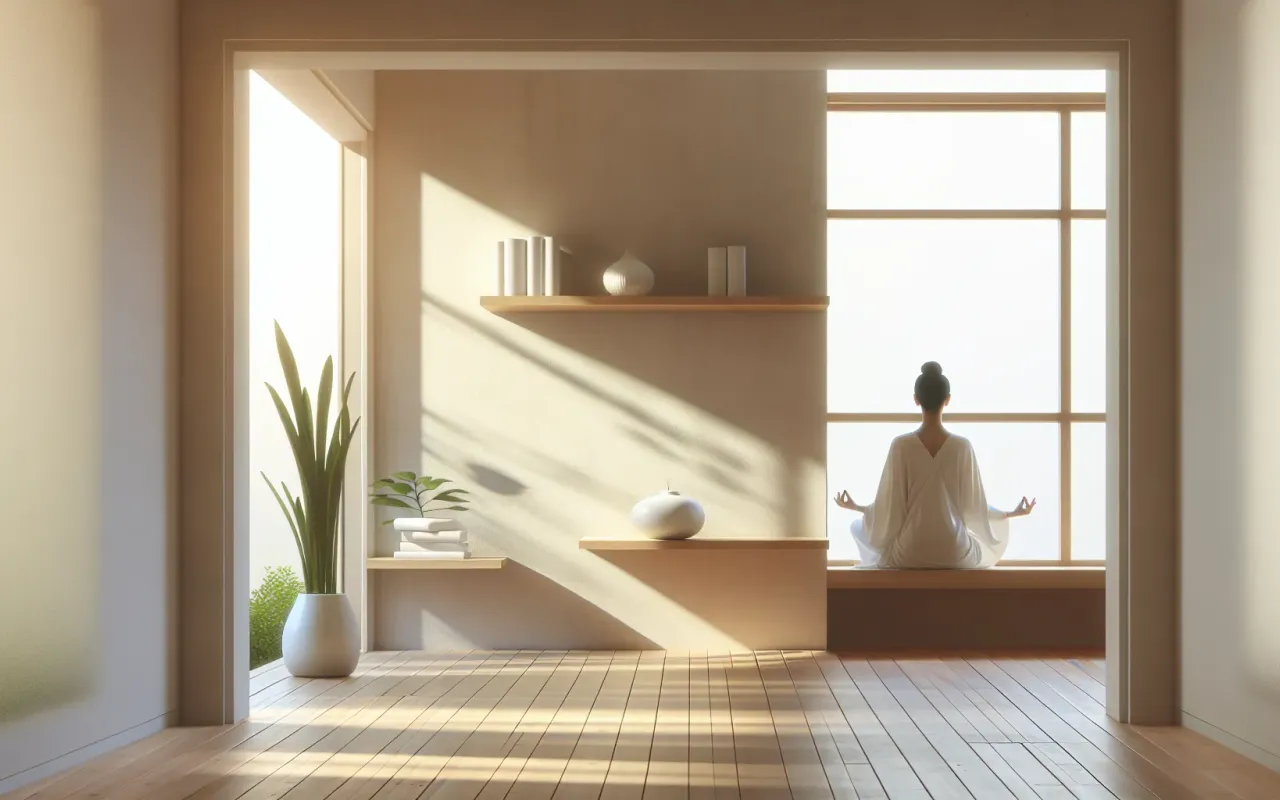
Discover how achieving mental clarity with minimalism can transform both your mind and your space. Learn practical tips and strategies to simplify your life.
- August 26, 2024
AceShowbiz - In today's fast-paced world, it's easy to become overwhelmed by the sheer amount of stuff and distractions we encounter daily. Achieving mental clarity with minimalism offers a path to a simpler, more focused, and ultimately more fulfilling life. This article delves into how minimalism can transform not just your living space, but your mental well-being as well.
What is Minimalism?
Minimalism is often misunderstood as just a design aesthetic characterized by clean lines and uncluttered spaces. However, it's more accurate to describe it as a lifestyle choice aimed at removing excess and focusing on what's truly essential. By eliminating physical and mental clutter, minimalism can pave the way for greater peace of mind and a more meaningful existence.
Core Principles of Minimalism
- Less is More: Focus on quality over quantity.
- Purposeful Living: Prioritize what adds value to your life.
- Mindfulness: Be present and intentional in your actions and choices.
The Connection Between Mental Clarity and Physical Space
Our physical environment has a profound impact on our mental state. Cluttered and unorganized spaces can lead to feelings of stress and anxiety. By creating a clean and orderly living space, we set the stage for a clearer and more focused mind.
Decluttering Your Space
The first step in achieving mental clarity with minimalism is decluttering your space. Here are some practical tips:
- Start Small: Begin with one room or area at a time to avoid feeling overwhelmed.
- Sort and Prioritize: Categorize items into 'keep', 'donate', and 'discard'.
- Storage Solutions: Use storage bins and organizers to keep essential items neat and accessible.
Minimalism and Mental Well-being
Minimalism isn't just about the physical aspect. It extends to our mental and emotional well-being.
Reducing Mental Clutter
Mental clutter can be just as draining as physical clutter. Here are ways to declutter your mind:
- Meditation: Regular meditation practice can help clear your mind and focus on the present moment.
- Journaling: Writing down your thoughts and feelings can provide mental clarity and reduce stress.
- Digital Detox: Take regular breaks from digital devices and social media to unplug and reset your mind.
Benefits of Achieving Mental Clarity with Minimalism
Adopting a minimalist approach offers numerous benefits for your mental health and overall well-being:
- Reduced Stress: A simplified environment minimizes stressors and promotes calm.
- Increased Focus: With fewer distractions, it's easier to concentrate on important tasks and goals.
- Enhanced Creativity: Clarity of mind often leads to increased creativity and better problem-solving abilities.
How to Maintain a Minimalist Lifestyle
Maintaining a minimalist lifestyle requires ongoing commitment and mindful practices. Here are some tips:
Regular Decluttering
Make decluttering a regular habit. Set aside time every few months to assess your belongings and remove unnecessary items.
Mindful Consumption
Be mindful of your consumption habits. Before making a purchase, ask yourself if the item will truly add value to your life.