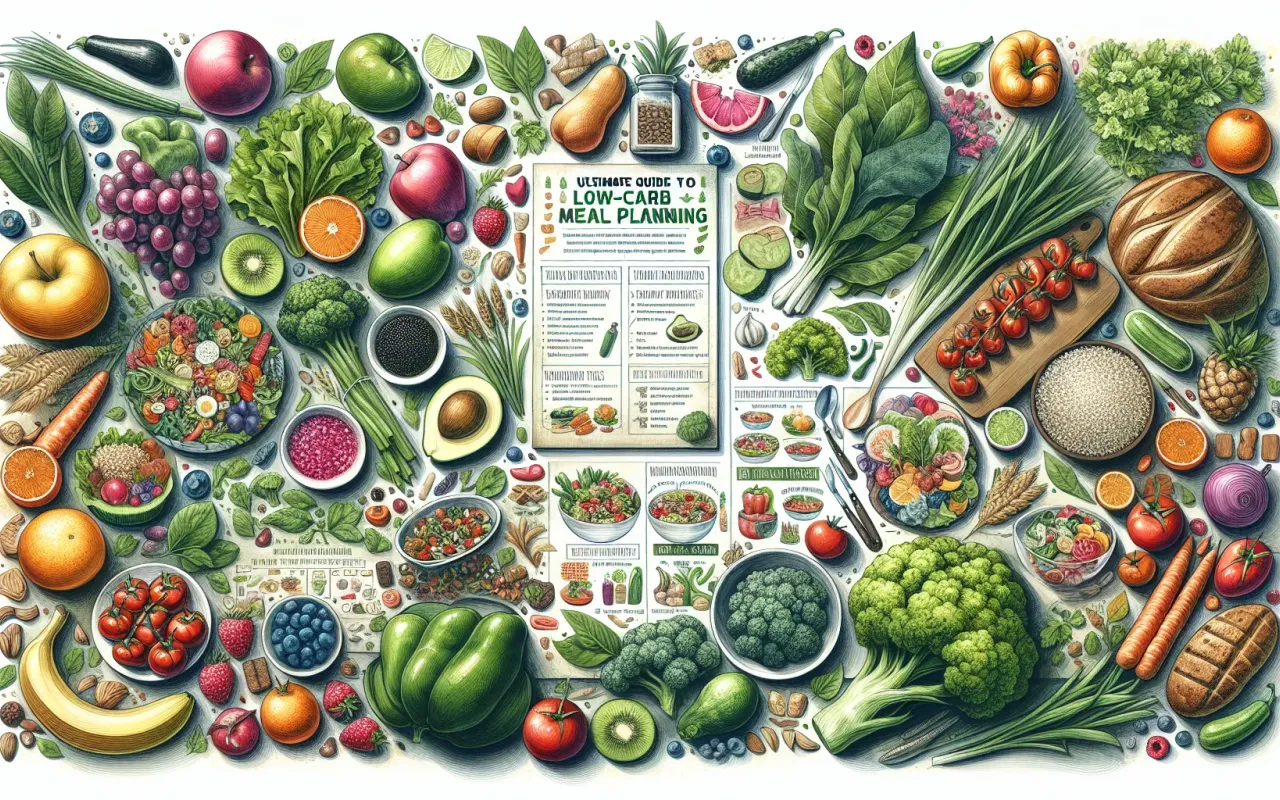
Learn effective strategies for vegetarian low-carb meal planning to maintain a healthy lifestyle. This comprehensive guide offers practical tips and meal ideas.
- August 25, 2024
In today's health-conscious world, many people are turning to vegetarian diets to improve their health, protect the environment, and support animal welfare. However, balancing a vegetarian diet with a low-carb lifestyle can be challenging. This article will guide you through vegetarian low-carb meal planning, ensuring you get the nutrition you need while maintaining a low carbohydrate intake.
Why Choose a Vegetarian Low-Carb Diet?
Opting for a vegetarian low-carb diet offers numerous benefits, including weight management, improved blood sugar control, and a lower risk of cardiovascular diseases. Additionally, a well-planned vegetarian diet can provide all essential nutrients, making it a sustainable and healthy choice.
Understanding Carbohydrates and Their Impact
Carbohydrates are one of the three macronutrients, alongside protein and fat, that provide energy to the body. They are found in foods like grains, fruits, vegetables, and legumes. While carbs are essential for energy, excessive intake can lead to weight gain and blood sugar spikes. Therefore, managing carb intake is crucial for overall health.
Key Principles of Vegetarian Low-Carb Meal Planning
Successful vegetarian low-carb meal planning involves a few key principles. Let's dive into them:
1. Focus on Non-Starchy Vegetables
Non-starchy vegetables like leafy greens, bell peppers, broccoli, and zucchini are low in carbs but high in nutrients. Incorporate a variety of these veggies into your meals to ensure you get an array of vitamins, minerals, and fiber.
2. Choose High-Protein Plant Foods
Protein is vital for muscle repair, enzyme function, and overall health. As a vegetarian, include high-protein plant foods such as tofu, tempeh, edamame, legumes, and nuts in your diet.
3. Include Healthy Fats
Healthy fats from avocados, nuts, seeds, and olive oil can help keep you satiated and support various bodily functions. They also add flavor and texture to your meals.
4. Limit High-Carb Foods
Although many vegetarian staples like grains, potatoes, and certain fruits are high in carbs, they can be consumed in moderation. Focus on portion control and opt for low-carb alternatives when possible.
Sample Vegetarian Low-Carb Meal Plan
Here's a sample meal plan to help you get started with vegetarian low-carb meal planning:
Breakfast Options
- Veggie Scramble: Sauté spinach, bell peppers, and mushrooms with tofu or tempeh. Add some avocado slices on the side.
- Chia Pudding: Combine chia seeds, unsweetened almond milk, and your choice of low-carb sweetener. Top with nuts and a few berries.
Lunch Ideas
- Greek Salad: Mix cucumber, tomatoes, olives, red onions, and feta cheese. Dress with olive oil and lemon juice.
- Stuffed Bell Peppers: Fill bell peppers with a mixture of cooked quinoa, black beans, and veggies. Top with melted cheese or nutritional yeast.
Dinner Suggestions
- Cauliflower Fried Rice: Use grated cauliflower as a rice substitute and stir-fry with veggies, tofu, and tamari sauce.
- Spaghetti Squash with Pesto: Roast spaghetti squash and serve with homemade basil pesto and grilled vegetables.
Snack Options
- Mixed Nuts: Create a mix of almonds, walnuts, and pecans for a satisfying snack.
- Veggie Sticks with Hummus: Enjoy sliced carrots, celery, and bell peppers with a side of hummus.
Tips for Successful Vegetarian Low-Carb Meal Planning
Here are some additional tips to ensure your vegetarian low-carb meal planning is effective and enjoyable:
Plan Ahead
Set aside time each week to plan your meals and create a shopping list. Preparing meals in advance can help you stick to your dietary goals.
Keep It Simple
Focus on simple, nutrient-dense meals that don’t require elaborate preparation. This will make it easier to maintain your diet long-term.
Stay Hydrated
Drink plenty of water throughout the day. Sometimes, thirst can be mistaken for hunger, leading to unnecessary snacking.
Monitor Your Macronutrients
Use a food diary or app to track your carb, protein, and fat intake. This can help you stay mindful of your dietary choices.
Common Challenges and Solutions
Like any dietary change, adopting a vegetarian low-carb lifestyle can come with challenges. Here are some common issues and their solutions:
Feeling Unsatisfied
If you feel hungry or unsatisfied, try increasing your intake of healthy fats and proteins. These macronutrients help keep you full and provide sustained energy.
Social Situations
Navigating social events can be tricky. Bring your own low-carb vegetarian dishes to share or eat a healthy snack before attending gatherings to avoid overeating unsuitable foods.
Limited Food Options
Experiment with new recipes and ingredients to keep your meals exciting and varied. There are many online resources and cookbooks tailored to vegetarian low-carb diets for inspiration.
Conclusion
Adopting a vegetarian low-carb meal plan can be a rewarding step toward a healthier, more balanced lifestyle. By focusing on nutrient-dense, low-carb foods and mindful meal planning, you can enjoy the benefits of both vegetarianism and a low-carb diet. Remember to stay flexible and patient as you experiment with new foods and recipes. With the right approach, you can achieve your health goals while enjoying delicious, satisfying meals.