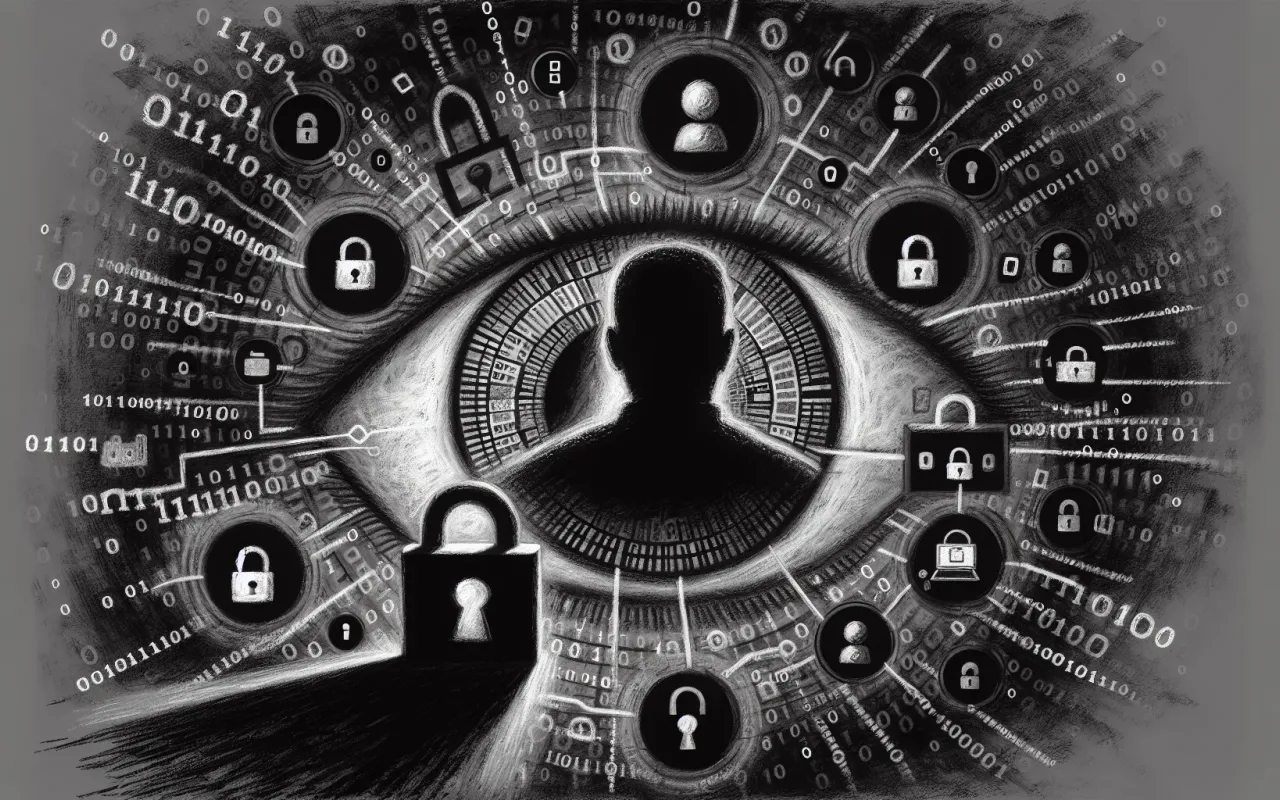
Discover how your digital footprint affects your privacy. Learn the impact of your online activities and find out how to protect your personal information.
- August 25, 2024
In today's digital age, nearly every action we take online contributes to our digital footprint. Whether you are posting on social media, shopping online, or even just navigating websites, your online activities are being tracked and recorded. But how does this digital footprint impact your privacy? Understanding the implications of your online behavior is critical in safeguarding your personal information and maintaining your privacy. This article aims to delve into the impact of digital footprint on privacy while addressing your concerns and offering practical solutions.
What is a Digital Footprint?
A digital footprint is the trail of data that you leave behind while using the internet. It consists of all the information that can be linked to you via your online activities. There are two main types of digital footprints:
1. Passive Digital Footprint
Your passive digital footprint is created without your direct control. This data includes your browsing history, IP address, and information gathered by cookies or trackers from different websites.
2. Active Digital Footprint
Your active digital footprint is created when you intentionally submit information online. This includes posts on social media, online forms you fill out, emails you send, and so on.
How Digital Footprint Impacts Privacy
The impact of a digital footprint on privacy is profound. Here are some of the primary ways your online footprint can affect you:
1. Data Collection and Profiling
Companies and organizations use sophisticated algorithms to collect and analyze your data. This helps in creating detailed profiles that can be used for targeted advertising, influencing your purchasing decisions, or even predicting your behavior.
2. Identity Theft
The more information you share online, the easier it becomes for cybercriminals to steal your identity. Phishing scams, data breaches, and hacking incidents often rely on extracting your digital footprint to commit fraud.
3. Privacy Breach
Personal information scattered across the web can lead to unwanted privacy breaches. This could mean unauthorized access to your documents, photos, and other sensitive information.
4. Reputation Management
Once information is posted online, it's usually there for good. This means outdated or unflattering content can resurface, affecting your personal or professional reputation. Employers often perform online checks, and your digital footprint can influence hiring decisions.
Managing Your Digital Footprint
Taking control of your digital footprint can significantly enhance your privacy. Here are some effective strategies:
1. Regularly Review Privacy Settings
Frequently check the privacy settings on your social media accounts, browsers, and other online services to ensure your information is protected.
2. Limit Sharing of Personal Information
Be mindful of the information you share online. Avoid posting sensitive data such as your address, phone number, or financial information.
3. Use Strong and Unique Passwords
Compromised passwords are a common entry point for cybercriminals. Using strong, unique passwords for different accounts can greatly enhance your security.
4. Enable Two-Factor Authentication (2FA)
Two-factor authentication adds an additional layer of security to your accounts, making it harder for unauthorized parties to gain access.
5. Regularly Clear Your Browser History and Cookies
Periodically clearing your browser history and cookies can help minimize your passive digital footprint.
6. Be Cautious with Third-Party Apps and Services
Only use trusted apps and services. Review the terms and conditions to understand how your data will be used and shared.
The Role of Legislation and Regulation
Governments and regulatory bodies are becoming increasingly aware of the need to protect consumers' digital privacy. Laws such as the General Data Protection Regulation (GDPR) in Europe and the California Consumer Privacy Act (CCPA) in the United States are designed to give users more control over their data. These regulations mandate transparency from companies on how they collect, use, and share personal information, providing recourse for individuals who feel their privacy has been violated.
Emerging Technologies and Digital Privacy
Emerging technologies such as Artificial Intelligence (AI) and the Internet of Things (IoT) present new challenges and opportunities for digital privacy. While these technologies can offer personalized experiences and improved convenience, they also increase the amount of data being collected. It's essential to stay informed about how these technologies work and their implications for your digital footprint and privacy.
Conclusion
Your digital footprint significantly impacts your privacy in the modern digital landscape. Understanding what constitutes a digital footprint and how it affects your privacy can help you take proactive steps to protect your personal information. By managing your online activities, using strong security measures, and staying informed about privacy laws and emerging technologies, you can mitigate risks and maintain better control over your digital footprint. Stay vigilant and take charge of your digital privacy to ensure your information remains secure.