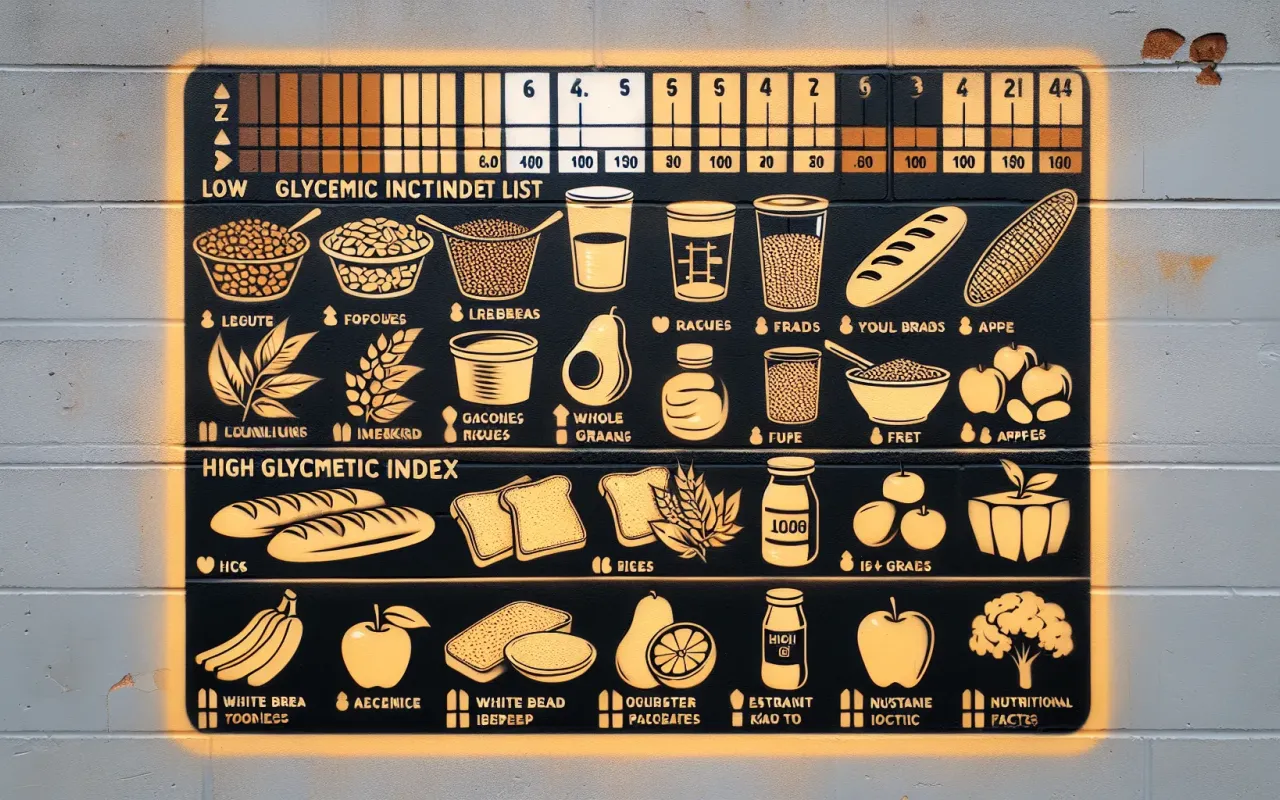
Discover how the glycemic index food list for diabetics can help you manage your blood sugar. Learn about low, medium, and high GI foods to make informed dietary choices.
- August 25, 2024
Introduction
Living with diabetes can make managing your diet a daunting task. Knowing the Glycemic Index (GI) of the foods you consume can play a crucial role in effective blood sugar management. This article provides a comprehensive glycemic index food list for diabetics to help you make informed dietary choices and keep your glucose levels stable.
Understanding the Glycemic Index
The glycemic index is a value assigned to foods based on how quickly and significantly they raise blood glucose levels after eating. Foods are ranked on a scale from 0 to 100. A lower GI indicates a slower digestion rate and a more gradual rise in blood sugar levels.
GI Categories
- Low GI (1-55): Foods in this category cause a slow rise in blood sugar.
- Medium GI (56-69): Foods that raise blood sugar levels at a moderate pace.
- High GI (70-100): Foods that cause quick and significant spikes in blood sugar levels.
Low Glycemic Index Foods
Incorporating low GI foods into your diet can help you maintain steady blood sugar levels. Here are some common low GI foods:
Fruits
- Apples (GI: 39)
- Cherries (GI: 20)
- Oranges (GI: 40)
- Pears (GI: 38)
Vegetables
- Broccoli (GI: 10)
- Carrots (GI: 35)
- Spinach (GI: 15)
- Tomatoes (GI: 15)
Legumes and Beans
- Lentils (GI: 29)
- Chickpeas (GI: 28)
- Black Beans (GI: 30)
Dairy Foods
- Milk (GI: 27)
- Yogurt (GI: 35)
Whole Grains
- Barley (GI: 28)
- Quinoa (GI: 53)
- Oatmeal (GI: 55)
Medium Glycemic Index Foods
Moderation is key when consuming foods with a medium GI. These foods can still be part of a balanced diabetic diet:
Fruits and Vegetables
- Sweet Potatoes (GI: 63)
- Bananas (GI: 51)
- Beets (GI: 61)
Grains
- Brown Rice (GI: 50)
- Couscous (GI: 65)
High Glycemic Index Foods
High GI foods should generally be limited in a diabetic diet as they can cause significant spikes in blood sugar levels.
Common High GI Foods
- White Bread (GI: 75)
- White Rice (GI: 73)
- Potatoes (GI: 78)
- Instant Oatmeal (GI: 79)
Tips for Using the Glycemic Index
Here are some practical tips to help you use the GI effectively in your daily routine:
Combine Foods
Combining low GI foods with moderate or high GI foods can help lower the overall GI of a meal. For example, pair white rice with a generous serving of vegetables and lean protein.
Portion Control
Even low GI foods can affect blood sugar levels if consumed in large quantities. Pay attention to portion sizes to maintain stable glucose levels.
Balanced Diet
Include a variety of foods from all GI categories for a balanced nutritional intake. Ensure your diet is rich in fiber, lean proteins, and healthy fats.
Conclusion
Effective blood sugar management relies heavily on informed dietary choices. By understanding and incorporating foods from the glycemic index food list for diabetics, you can maintain more stable glucose levels and better manage your diabetes. Remember to consult with your healthcare provider or a registered dietitian to tailor any diet plan to your individual needs.