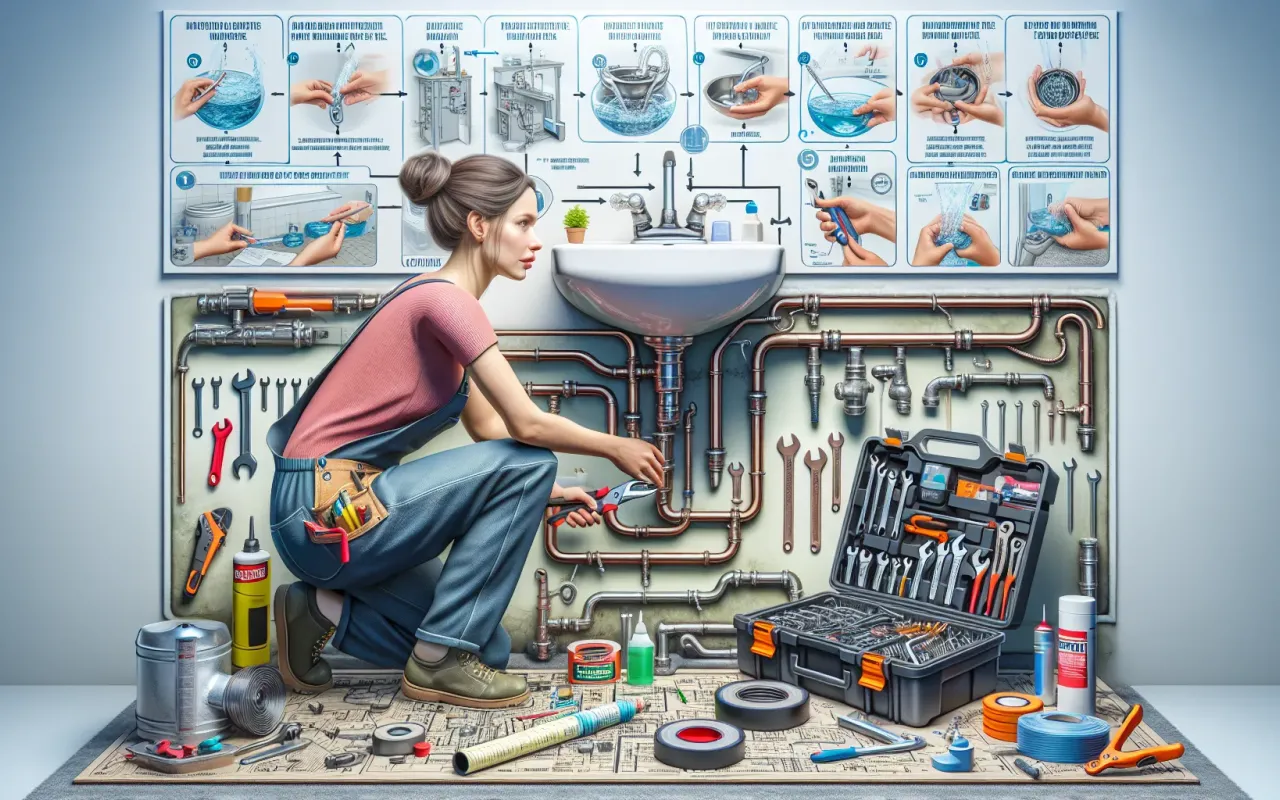
Learn expert tips and tricks on how to maintain home plumbing systems to ensure longevity and efficiency. A comprehensive guide for homeowners.
- August 25, 2024
Proper maintenance of home plumbing systems is essential for ensuring their longevity and efficiency. Regular upkeep can prevent costly repairs, save water, and prevent serious damage to your property. In this article, we'll provide expert tips and tricks on how to maintain home plumbing systems effectively.
Understanding Your Home Plumbing System
Before you start maintaining your plumbing system, it's crucial to understand its components and how they work. A typical home plumbing system consists of two main parts: the water supply system and the drainage system. The water supply system brings fresh water into your home, while the drainage system removes waste and used water.
Regular Inspection and Maintenance
Inspect Faucets and Pipes
Regularly check all faucets and exposed pipes for leaks. Even a small leak can waste a significant amount of water and cause damage over time. Ensure faucets are properly closed and check under sinks for any signs of moisture or mold.
Examine Water Pressure
High water pressure can strain your plumbing system, leading to leaks and burst pipes. Use a water pressure gauge to ensure your home’s water pressure is within the recommended range (usually 40-60 psi). If it’s too high, consider installing a pressure regulator.
Keep Drains Clear
Regular Drain Cleaning
Clogs can lead to slow draining or even complete blockages in your pipes. Avoid putting grease, hair, or large food particles down your drains. Regularly use a drain cleaner or a natural alternative like baking soda and vinegar to keep drains clear.
Install Drain Screens
Drain screens can catch debris before it enters your pipes, making it easier to prevent clogs. These are especially useful in bathroom sinks and showers where hair clogs are common.
Water Heater Maintenance
Your water heater is a critical component of your plumbing system. Regular maintenance can extend its lifespan and improve efficiency.
Flush the Tank
Sediment build-up in the bottom of the tank can reduce efficiency and cause damage. Flush your water heater tank at least once a year to remove sediment and keep it running smoothly.
Check the Anode Rod
The anode rod helps prevent corrosion inside the tank. Inspect it annually and replace it if more than 50% of its original thickness has been worn away.
Prevent Frozen Pipes
Frozen pipes are a common issue during the winter months. They can burst, causing significant water damage and expensive repairs. Here’s how to prevent it.
Insulate Pipes
Insulate pipes in unheated areas like basements, attics, and garages. Use pipe insulation sleeves or heat tape to prevent freezing.
Maintain Consistent Temperatures
Keep your home’s temperature consistent, especially during extremely cold weather. Open cabinet doors under sinks to allow warm air to circulate around pipes.
Let Faucets Drip
During severe cold snaps, let faucets connected to exposed pipes drip slightly. This keeps water moving and reduces the risk of freezing.
Know When to Call a Professional
While regular maintenance can prevent many issues, some problems require professional attention. Know when it’s time to call a licensed plumber.
Persistent Low Water Pressure
If you experience consistently low water pressure, it could indicate a major issue like a hidden leak or pipe corrosion. A professional plumber can diagnose and fix the problem.
Major Leaks or Burst Pipes
If you discover a major leak or burst pipe, turn off the main water supply immediately and call a plumber. These issues require urgent and professional repair.
Water Heater Issues
If your water heater is not providing hot water or is making strange noises, it may need professional repair or replacement. Do not attempt to fix it yourself, as this can be dangerous.
Eco-Friendly Plumbing Practices
Adopting eco-friendly plumbing practices can help conserve water and reduce your household’s environmental footprint.
Install Low-Flow Fixtures
Low-flow showerheads and faucets reduce water usage without sacrificing performance. These fixtures can significantly lower your water consumption and utility bills.
Fix Leaks Promptly
Leaking faucets and pipes waste a considerable amount of water. Fix leaks as soon as you notice them to conserve water and prevent damage.
Use Water-Efficient Appliances
Upgrade to water-efficient appliances like dishwashers and washing machines. These appliances use less water and energy, making them more environmentally friendly and cost-effective in the long run.
Conclusion
Maintaining your home plumbing systems requires regular inspection, preventive measures, and timely intervention. By following these expert tips and tricks, you can keep your plumbing system running efficiently, prevent costly repairs, and contribute to water conservation efforts. Remember, for complex issues or major repairs, always consult a licensed professional plumber.