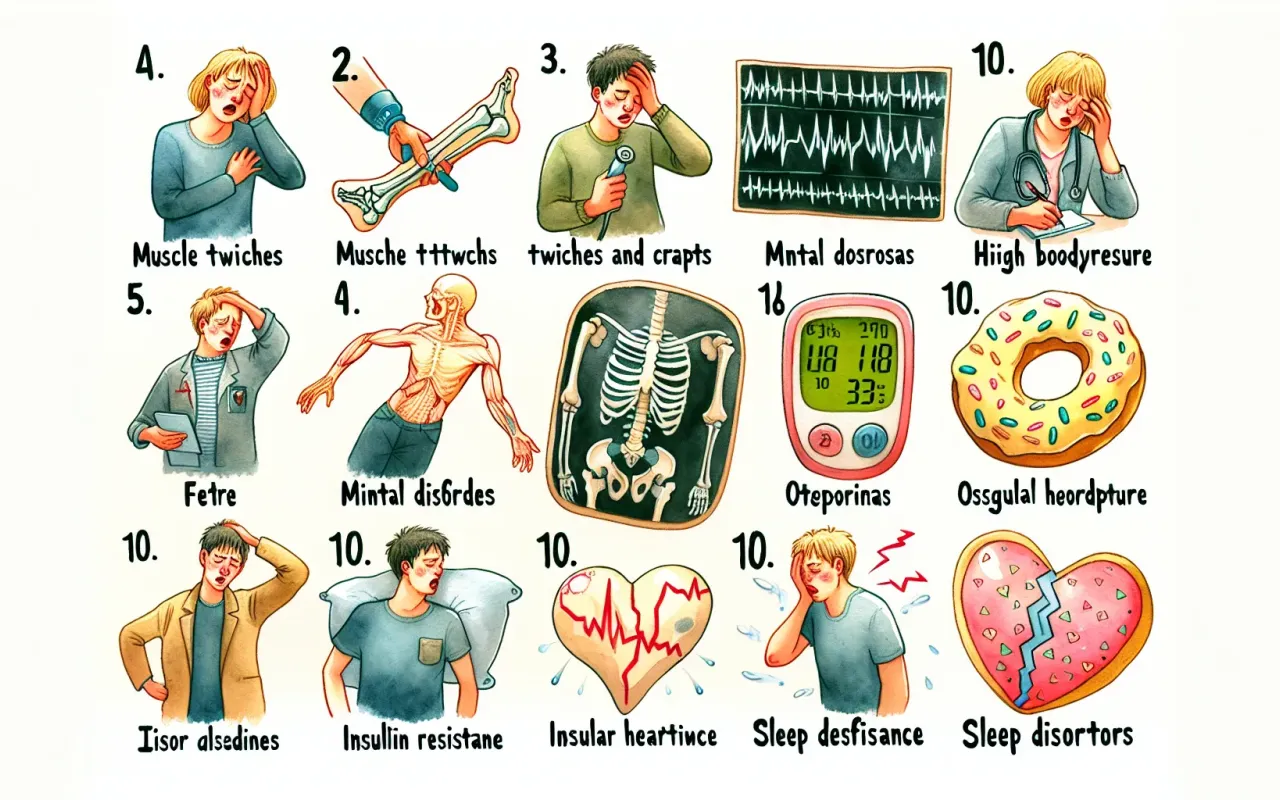
Learn about the key symptoms of magnesium deficiency and why it's crucial to address this essential mineral's role in your health.
- August 25, 2024
AceShowbiz - Magnesium is a vital mineral involved in over 300 enzymatic reactions in the human body. It plays a crucial role in muscle and nerve function, blood sugar control, and blood pressure regulation. Despite its importance, magnesium deficiency is often overlooked. This article outlines the 10 hallmark symptoms of magnesium deficiency you should be aware of to maintain optimal health.
Introduction
Magnesium is found in various foods such as nuts, seeds, leafy greens, and whole grains. However, due to poor dietary habits and modern farming techniques that deplete soil magnesium levels, many people fail to meet their daily magnesium requirements. Understanding the symptoms of magnesium deficiency can help you address potential health issues early and take the necessary steps to restore balance.
1. Muscle Cramps and Spasms
One of the earliest and most common symptoms of magnesium deficiency is muscle cramps and spasms. These involuntary contractions are often painful and can occur in any muscle group, including the legs, arms, and abdomen. Magnesium helps regulate muscle contractions, and its deficiency can lead to increased excitability of nerve endings, resulting in cramps.
Finding Relief
To mitigate muscle cramps, consider incorporating magnesium-rich foods into your diet, such as almonds, spinach, and pumpkin seeds. Additionally, magnesium supplements may offer a more immediate resolution, but it's advisable to consult a healthcare professional for appropriate dosing.
2. Fatigue and Weakness
Persistent fatigue and muscle weakness are significant indicators of low magnesium levels. This mineral is essential for the production of ATP (adenosine triphosphate), the main energy source for cells. Inadequate magnesium means your body struggles to produce enough ATP, leading to feelings of fatigue and lethargy.
Boosting Energy Levels
In addition to magnesium-rich foods, consider consuming foods high in vitamin B6, which aids in magnesium absorption. Foods like bananas, avocados, and chickpeas are great choices.
3. High Blood Pressure
Magnesium plays a role in maintaining healthy blood pressure levels. It helps relax blood vessels and supports proper heart function. A deficiency can cause blood vessel constriction, leading to elevated blood pressure, which increases the risk of heart disease and stroke.
Managing Blood Pressure Naturally
Regular intake of magnesium-rich foods coupled with a balanced diet low in sodium can significantly aid in blood pressure management. Regular exercise and stress-relief practices also contribute to maintaining healthy blood pressure.
4. Irregular Heartbeat
An irregular heartbeat, also known as arrhythmia, can be another consequence of low magnesium levels. Magnesium is vital for maintaining the electrical stability of heart cells, and a deficiency can disrupt this balance, potentially leading to severe cardiac arrhythmias.
Heart Health Tips
Regular cardiovascular check-ups and an increased intake of foods rich in magnesium, such as dark chocolate and fatty fish, can help maintain heart health.
5. Mental Health Issues
Magnesium deficiency has been linked to mental health issues such as depression, anxiety, and mood swings. Magnesium is involved in brain function and the regulation of neurotransmitters that influence mood and behavior.
Improving Mental Health
Besides magnesium supplementation, mindfulness practices, regular physical activity, and a balanced diet rich in omega-3 fatty acids can support mental well-being.
6. Bone Health Problems
Magnesium is crucial for bone health as it assists in calcium absorption, which is essential for bone strength. Low magnesium levels can lead to bone density loss and an increased risk of osteoporosis and fractures.
Strengthening Bones
Ensure adequate magnesium intake through supplements or dietary sources like dairy products, fish, and nuts to promote bone health.
7. Numbness and Tingling
Experiencing numbness or tingling sensations in your extremities can be a sign of magnesium deficiency. This occurs because magnesium is vital for nerve function and a deficiency can lead to nerve damage over time.
Protecting Nerve Health
Consuming a diet rich in magnesium and other essential nutrients like vitamin B12 can help protect against nerve damage.
8. Migraines and Headaches
Frequent migraines and headaches can be related to low magnesium levels. Magnesium aids in relaxing blood vessels in the brain and improves neurotransmitter function. A deficiency can exacerbate the frequency and intensity of headaches.
Reducing Headache Frequency
Magnesium supplementation and dietary changes, along with hydration and stress management, can help reduce the occurrence of migraines.
9. Poor Sleep Quality
Magnesium is critical for sleep regulation. It helps activate the parasympathetic nervous system, which is responsible for relaxation. Low magnesium levels can interfere with sleep, causing insomnia and disturbed sleep patterns.
Enhancing Sleep
To improve sleep quality, focus on magnesium-rich foods and consider a supplement if dietary intake is insufficient. Establishing a regular sleep routine and minimizing caffeine intake can also help.
10. Changes in Appetite
Magnesium deficiency can lead to fluctuating appetite and abnormal cravings, often for salty or sweet foods. This occurs because magnesium plays a role in regulating glucose and insulin levels.
Stabilizing Appetite
Maintaining a balanced diet with regular meals and snacks that include magnesium-rich foods can help stabilize appetite and curb unhealthy cravings.
Conclusion
Magnesium deficiency is a common yet often overlooked health issue that can manifest in various ways, from physical symptoms like muscle cramps and fatigue to mental health concerns such as anxiety and depression. By recognizing and addressing these symptoms of magnesium deficiency, you can take proactive steps to improve your overall health and well-being.
Ensure a balanced diet rich in magnesium, consult healthcare professionals for personalized advice, and consider supplements if necessary to maintain optimal magnesium levels.