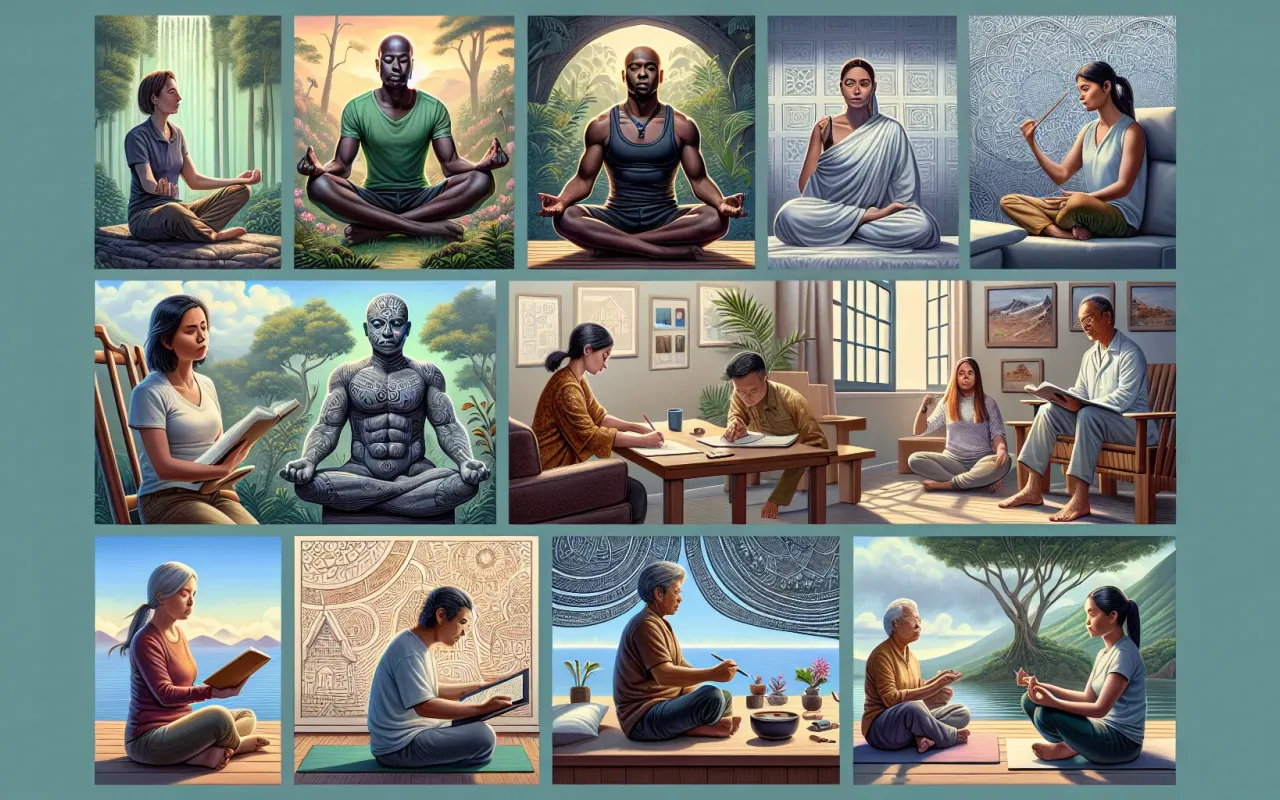
Discover 10 powerful emotional self-management exercises for anxiety relief and overall wellbeing. These expert-backed techniques can help you manage anxiety effectively.
- August 24, 2024
Anxiety can be overwhelming and debilitating, affecting every aspect of life from work performance to personal relationships. Taking control of your emotional wellbeing through effective self-management exercises can provide significant relief. This guide explores ten powerful emotional self-management exercises specifically designed to combat anxiety and enhance overall wellbeing.
Understanding Anxiety and Emotional Self-Management
Before delving into the exercises, it's essential to understand what anxiety is and how emotional self-management can help. Anxiety is a natural response to stress, characterized by feelings of fear or apprehension. However, when anxiety becomes chronic, it can lead to serious mental and physical health issues.
Emotional self-management involves using techniques and strategies to regulate your emotions, particularly in stressful or anxiety-inducing situations. These exercises are crucial for maintaining mental health and promoting a balanced, healthy lifestyle.
10 Emotional Self-Management Exercises for Anxiety Relief
1. Mindful Breathing
Mindful breathing is a fundamental exercise in many therapeutic approaches. By focusing on your breath, you can reduce anxiety and promote relaxation. Practice this by sitting comfortably, closing your eyes, and taking deep breaths in through the nose and out through the mouth.
2. Progressive Muscle Relaxation (PMR)
Progressive muscle relaxation involves tensing and then slowly releasing different muscle groups in the body. This method helps reduce physical tension linked to anxiety and promotes a state of calm.
3. Journaling
Writing about your thoughts and feelings in a journal can be a therapeutic and cathartic experience. This exercise allows you to process emotions, identify anxiety triggers, and develop strategies to handle them.
4. Visualization
Visualization techniques involve creating a mental image of a peaceful and calming place. This practice can help distract your mind from anxiety and cultivate a sense of tranquility.
5. Cognitive Restructuring
Cognitive restructuring is a cognitive-behavioral therapy (CBT) technique that involves identifying and challenging negative thought patterns. Reframing these thoughts can significantly reduce anxiety and promote a positive mindset.
6. Exercise
Regular physical activity is a powerful tool for managing anxiety. Exercise releases endorphins, which are natural mood lifters, and can help reduce anxiety symptoms.
7. Deep Breathing
Similar to mindful breathing, deep breathing exercises can help stabilize your emotional state. This technique involves breathing deeply from the diaphragm, which can bring immediate relief from anxiety.
8. Aromatherapy
Aromatherapy uses essential oils to promote wellbeing. Scents like lavender, chamomile, and sandalwood are known for their calming properties and can help alleviate anxiety.
9. Yoga
Yoga combines physical postures, breath control, and meditation. Practicing yoga regularly can enhance your emotional self-management skills and reduce anxiety.
10. Mindfulness Meditation
Mindfulness meditation involves focusing on the present moment without judgment. This practice can help reduce anxiety by training the mind to remain calm and focused, regardless of external stressors.
Conclusion
Effectively managing anxiety is crucial for achieving emotional well-being and leading a balanced life. The ten emotional self-management exercises outlined in this article are researched and proven techniques that can help you take control of your anxiety. By incorporating these exercises into your daily routine, you can cultivate resilience, equanimity, and a stronger sense of inner peace.
Remember, anxiety relief is a continuous process, and it's essential to be patient and consistent with your self-management practices. Over time, you'll likely find significant improvements in your emotional health and overall well-being.