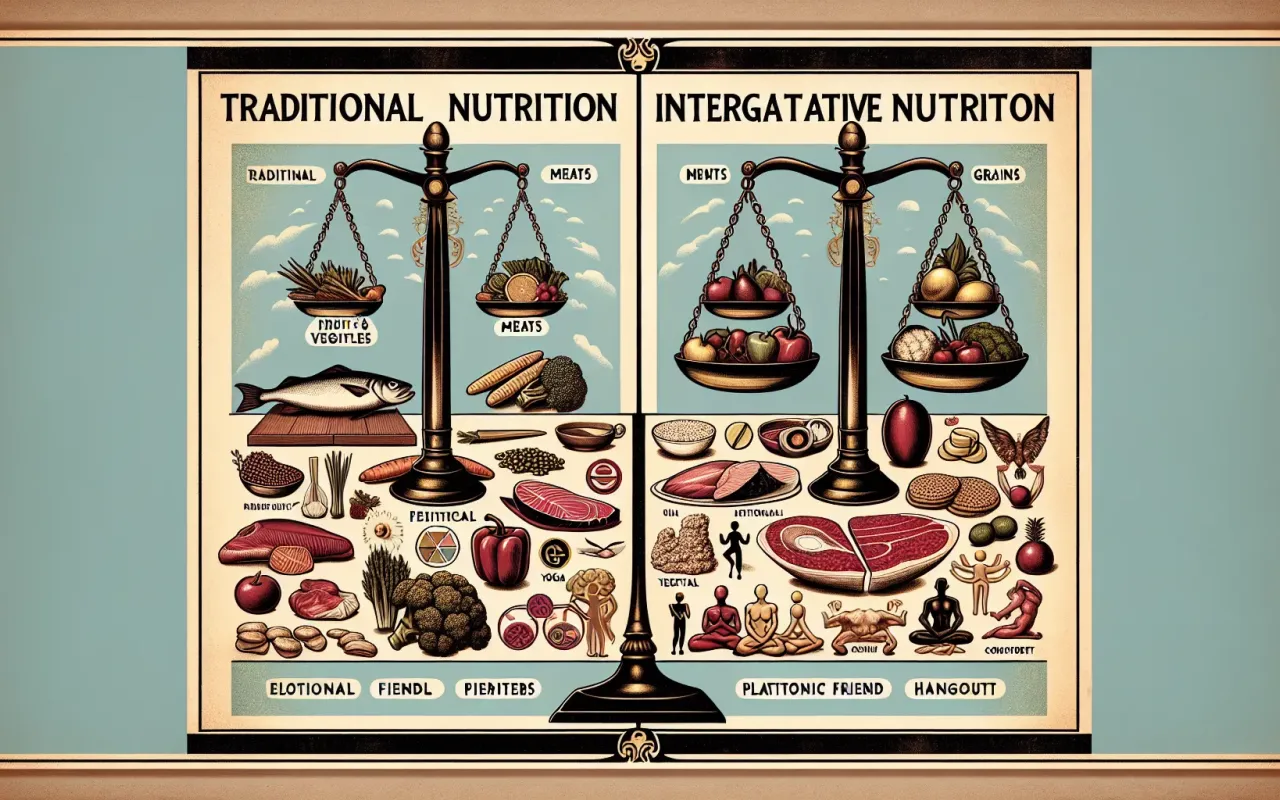
Explore the distinctive approaches of Integrative Nutrition vs Traditional Nutrition and understand their benefits through this comprehensive, well-researched article.
- August 24, 2024
AceShowbiz - Nutrition plays a crucial role in maintaining overall health and wellness. However, there are different approaches to nutrition, each with its unique philosophies and methods. This article explores the differences and benefits of Integrative Nutrition vs Traditional Nutrition, providing valuable insights for those looking to improve their dietary habits and overall well-being.
Understanding Traditional Nutrition
Traditional Nutrition, often referred to as conventional or mainstream nutrition, is the study of nutrients in food and how the body uses those nutrients. This approach emphasizes the importance of a balanced diet as outlined by well-established guidelines, such as those provided by government health agencies.
Key elements of Traditional Nutrition include:
- Dietary Guidelines: Recommendations such as the USDA's MyPlate or the Dietary Guidelines for Americans, which focus on balanced portions of fruits, vegetables, grains, protein, and dairy.
- Nutrient Analysis: Examination of macronutrients (carbohydrates, proteins, and fats) and micronutrients (vitamins and minerals) to ensure adequate nutrient intake.
- Caloric Balance: Emphasis on the balance between calories consumed and calories expended to maintain a healthy weight.
Traditional Nutrition relies heavily on evidence-based research and controlled clinical trials to develop dietary recommendations and interventions.
Exploring Integrative Nutrition
Integrative Nutrition, also known as holistic or functional nutrition, takes a more comprehensive and individualized approach. It considers not only the nutritional content of food but also the individual's lifestyle, environment, and mental health. This approach aims to address the root causes of health issues, rather than just managing symptoms.
Key elements of Integrative Nutrition include:
- Personalization: Tailored dietary plans based on an individual's unique genetics, health conditions, lifestyle, and preferences.
- Whole Foods: Emphasis on consuming minimally processed, nutrient-dense foods, such as organic fruits, vegetables, whole grains, and lean proteins.
- Mind-Body Connection: Recognition of the interrelationship between physical health and mental well-being, incorporating practices such as mindfulness, stress management, and physical activity.
- Root-Cause Approach: Investigating underlying causes of health issues, such as inflammation, food sensitivities, or nutrient deficiencies, and addressing them through targeted nutrition and lifestyle changes.
Integrative Nutrition often draws from a variety of disciplines, including naturopathy, functional medicine, and Eastern dietary traditions, to create a well-rounded approach to health and wellness.
Comparing the Benefits: Integrative Nutrition vs Traditional Nutrition
Personalization and Individualized Care
Integrative Nutrition places a strong emphasis on personalization, creating dietary plans that are uniquely suited to each individual. This tailored approach can result in more effective and sustainable health outcomes. In contrast, Traditional Nutrition focuses on general guidelines that are applicable to the broader population. While these guidelines are beneficial, they may not address specific health needs.
Holistic Health Considerations
Integrative Nutrition looks at the whole person, including mental and emotional health, which are often interlinked with physical health. Traditional Nutrition typically focuses more on physical health through dietary intake without delving deeply into psychological aspects.
Handling Complex Health Issues
For individuals with complex or chronic health issues, Integrative Nutrition can be particularly beneficial. By seeking out the root causes and addressing them through comprehensive dietary and lifestyle interventions, this approach can lead to more profound healing and symptom relief. Traditional Nutrition might offer more standardized solutions, which may not always be as effective for complex conditions.
Evidence and Research
Traditional Nutrition has a strong foundation in evidence-based research, often relying on large-scale studies and clinical trials. Integrative Nutrition also values scientific research but is more open to incorporating emerging evidence, case studies, and traditions from diverse medical perspectives.
Accessibility and Practicality
Traditional Nutrition guidelines are widely disseminated and accessible, making it easy for the general population to follow basic dietary advice. Integrative Nutrition, while growing in popularity, may require more effort to find specialized practitioners and can be more time-consuming due to its personalized nature.
How to Choose Between Integrative Nutrition and Traditional Nutrition
Choosing between Integrative Nutrition and Traditional Nutrition depends on your personal health needs, preferences, and goals. Here are some factors to consider:
- Health Conditions: If you have specific health issues or chronic conditions that require a deeper understanding and multifaceted approach, Integrative Nutrition may be more beneficial.
- Personal Preferences: Consider whether you prefer a more holistic, personalized approach or if you feel comfortable following general dietary guidelines.
- Resources and Access: Assess the availability of practitioners and resources in your area. Integrative Nutrition might require access to specialized professionals, while Traditional Nutrition guidelines are more readily available.
- Commitment to Lifestyle Changes: Integrative Nutrition often involves significant lifestyle changes, including stress management, physical activity, and mindfulness practices. Ensure you are ready to commit to these aspects if you choose this approach.
Conclusion
Both Integrative Nutrition and Traditional Nutrition offer valuable approaches to maintaining health and wellness. Traditional Nutrition provides a solid foundation of evidence-based dietary guidelines that are accessible to the general population. In contrast, Integrative Nutrition offers a more personalized and holistic approach, addressing the unique needs of the individual and considering the interconnectedness of physical and mental health.
Understanding the key differences and benefits of Integrative Nutrition vs Traditional Nutrition can help you make informed decisions about your dietary practices and overall health strategy. By tailoring your approach to your specific needs and goals, you can optimize your health and well-being effectively.