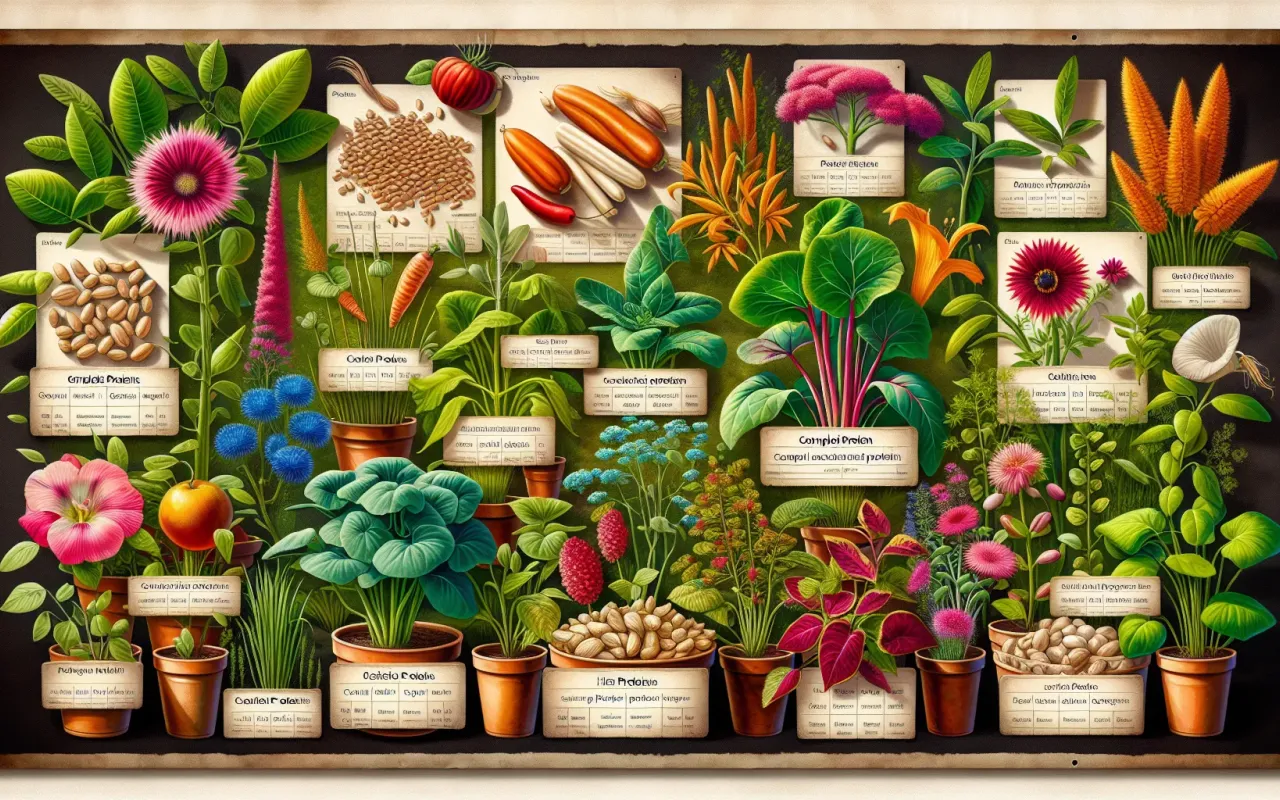
Discover the top 10 sources of complete proteins in plant nutrition, tailored especially for vegans and vegetarians seeking balanced protein intake.
- August 23, 2024
When adopting a plant-based lifestyle, one of the most common concerns is ensuring adequate protein intake. Complete proteins are those that contain all nine essential amino acids that our bodies cannot produce on their own. This article explores ten sources of complete proteins in plant nutrition, providing valuable insights for vegans and vegetarians.
The Importance of Complete Proteins
Proteins are crucial for various bodily functions, including muscle repair, enzyme production, and hormone regulation. While many plant foods contain protein, not all of them are complete proteins. Understanding and incorporating complete proteins in plant nutrition ensures that your body receives all the essential amino acids necessary for optimal health.
Top 10 Sources of Complete Proteins in Plant Nutrition
1. Quinoa
Quinoa is a versatile grain known for its high protein content and complete amino acid profile. It's an excellent choice for a base in salads, bowls, and even breakfast porridge.
2. Buckwheat
Despite its name, buckwheat is not related to wheat and is gluten-free. This pseudo-cereal is rich in protein, fiber, and essential amino acids, making it a perfect addition to both sweet and savory dishes.
3. Soy Products
Soybeans and soy products like tofu, tempeh, and edamame are excellent sources of complete proteins in plant nutrition. They are versatile and can be used in a variety of recipes from stir-fries to smoothies.
4. Amaranth
Amaranth is another pseudo-cereal that stands out for its protein content and complete amino acid profile. It can be cooked similarly to rice or added to soups and stews for an extra protein boost.
5. Chia Seeds
Chia seeds pack a punch when it comes to nutritional value. Not only are they a great source of complete protein, but they are also rich in omega-3 fatty acids, fiber, and antioxidants. Use them in smoothies, puddings, or as a topping for yogurt.
6. Hemp Seeds
Hemp seeds contain all nine essential amino acids and are rich in omega-3 and omega-6 fatty acids. Their nutty flavor makes them an excellent addition to salads, smoothies, and baked goods.
7. Spirulina
Spirulina is a blue-green algae renowned for its high protein content and complete amino acid profile. It can be added to smoothies, juices, and even baked goods for an easy protein boost.
8. Nutritional Yeast
Nutritional yeast, often used to add a cheesy flavor to dishes, is packed with protein and essential amino acids. Sprinkle it on popcorn, pasta, or use it to make vegan cheese sauces.
9. Seitan
Seitan, made from wheat gluten, is one of the highest plant-based sources of protein. It's a popular meat substitute with a texture similar to chicken, making it perfect for stir-fries, sandwiches, and stews.
10. Moringa Powder
Moringa, derived from the leaves of the Moringa tree, is a nutritional powerhouse. Its complete protein profile makes it an excellent addition to smoothies, soups, and energy bars.
Combining Plant Foods for Complete Proteins
In addition to consuming the foods listed above, combining different plant-based foods can also create complete proteins. For example, beans and rice, hummus and pita, or peanut butter on whole-grain bread are classic combinations that provide all essential amino acids.
Practical Tips for Balanced Plant-Based Protein Intake
- Plan Meals: Incorporate a variety of protein sources into your meals to ensure a balanced amino acid intake.
- Educate Yourself: Understanding which plant foods are complete proteins can help you make informed dietary choices.
- Watch Portion Sizes: Ensure you're consuming enough protein by paying attention to portion sizes and nutritional content.
- Consult a Nutritionist: If you have specific dietary concerns, consider consulting a nutritionist to help tailor a meal plan that meets your needs.
Conclusion
Incorporating complete proteins into your diet is possible with a variety of plant-based sources. Quinoa, buckwheat, soy products, and the other foods mentioned in this guide can help vegans and vegetarians meet their nutritional needs effectively. By combining different plant foods and following practical tips, you can enjoy a balanced, protein-rich diet that supports overall health and well-being.