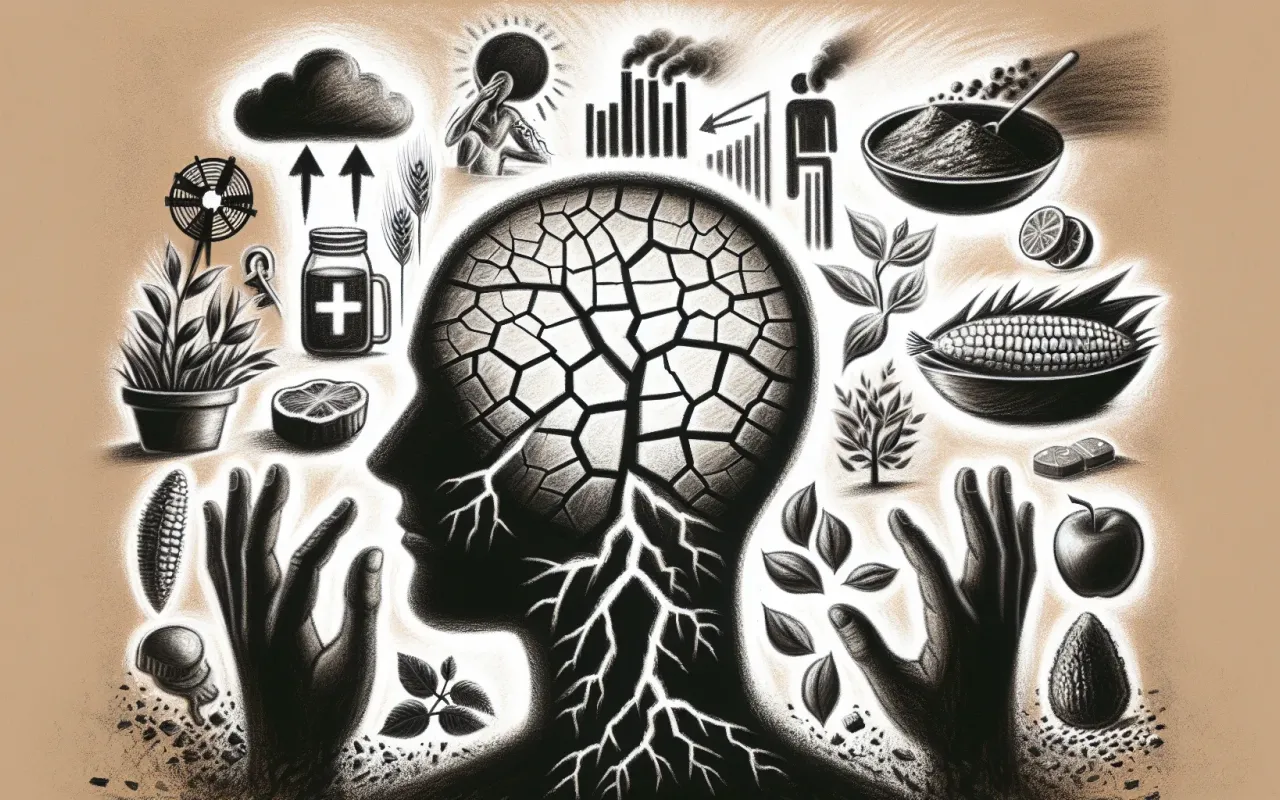
Explore the symptoms, causes, and solutions for Selenium deficiency in humans. Learn how to identify and address this common nutritional issue.
- August 22, 2024
Selenium is a vital trace element that plays a crucial role in maintaining health. Despite its importance, many people remain unaware of the impact selenium deficiency can have on the body. This article explores the symptoms, causes, and solutions for selenium deficiency in humans, providing valuable information to help address this often-overlooked nutritional issue.
What is Selenium?
Selenium is an essential mineral found in soil, water, and certain foods. It is a critical component of several enzymes and proteins, known as selenoproteins, that help to prevent cellular damage from free radicals, support thyroid function, and boost the immune system.
Symptoms of Selenium Deficiency
Identifying a selenium deficiency can be challenging as symptoms often overlap with other health conditions. However, there are several signs to watch for:
1. Fatigue and Weakness
Fatigue and muscle weakness are common symptoms of selenium deficiency. This is because selenium is essential for the proper functioning of the thyroid, which regulates energy levels.
2. Immune System Weakness
A deficiency in selenium can lead to a weakened immune system, making the body more susceptible to infections and illnesses.
3. Hair Loss
Hair loss can also be a symptom of selenium deficiency, as selenium is necessary for the production of certain antioxidant enzymes that protect hair follicle cells.
4. Cognitive Decline
Some studies suggest that low selenium levels are linked to cognitive decline and an increased risk of neurodegenerative diseases.
Causes of Selenium Deficiency
Selenium deficiency can arise from various factors, some of which include:
Poor Diet
A diet lacking in selenium-rich foods, such as Brazil nuts, seafood, and organ meats, can lead to a deficiency. Geographic regions with selenium-deficient soils may also result in lower selenium levels in locally grown food.
Digestive Disorders
Conditions like Crohn's disease, celiac disease, and other gastrointestinal disorders can impair the absorption of selenium from the digestive tract.
Kidney Dialysis
Individuals undergoing kidney dialysis are at increased risk of selenium deficiency due to losses that occur during the dialysis process.
Solutions for Selenium Deficiency
Addressing selenium deficiency involves both dietary changes and, in some cases, supplementation. Here are some effective strategies:
1. Increase Dietary Selenium
Incorporating selenium-rich foods into your diet is one of the best ways to prevent or address a deficiency. Foods high in selenium include:
- Brazil nuts
- Seafood (tuna, shrimp, sardines)
- Organ meats (liver, kidney)
- Eggs
- Sunflower seeds
- Brown rice
2. Selenium Supplements
In cases where dietary adjustments are insufficient, selenium supplements may be recommended. It is important to consult a healthcare provider before starting any new supplement to ensure the appropriate dosage and avoid potential toxicity.
3. Address Underlying Health Issues
For individuals with gastrointestinal disorders or other health conditions affecting selenium absorption, addressing these underlying issues is crucial. Working with a healthcare provider can help manage these conditions and improve selenium levels.
Conclusion
Selenium deficiency in humans is a significant health concern that can lead to various symptoms and complications. By understanding the symptoms, causes, and effective solutions, individuals can take proactive steps to ensure they are getting sufficient selenium in their diets. Whether through dietary changes, supplementation, or medical intervention, addressing a selenium deficiency is essential for maintaining overall health and well-being.