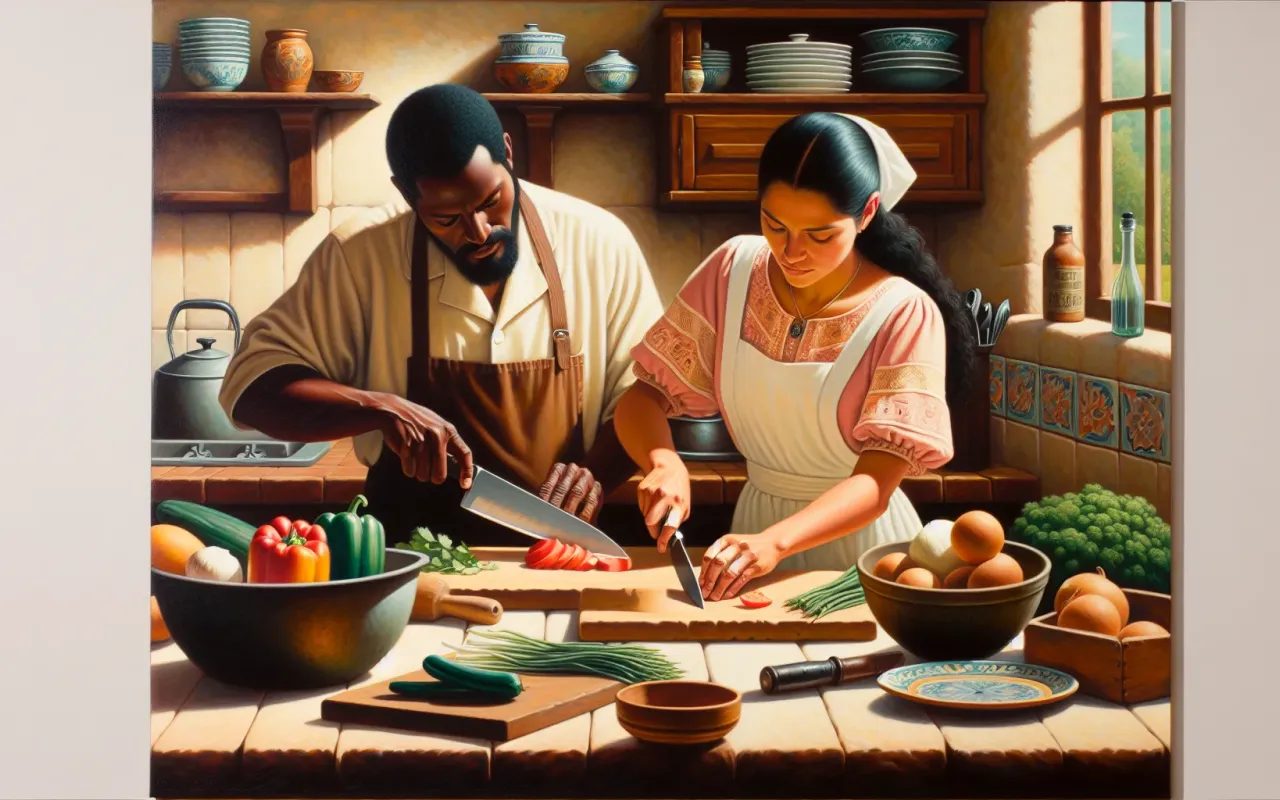
Discover the essential knife skills every cook should know. Learn proper techniques and tips to improve your efficiency and safety in the kitchen.
- August 22, 2024
AceShowbiz - In the culinary world, mastering knife skills is fundamental for every cook. Whether you're an amateur home cook or an aspiring professional chef, having a solid understanding of essential knife skills can significantly improve your efficiency and safety in the kitchen. In this article, we will explore the key knife skills every cook should know, accompanied by tips and techniques that will help you become more proficient with your kitchen knives.
1. Choosing the Right Knife
Before delving into specific techniques, it's crucial to understand that choosing the right knife for the task at hand is the first step towards mastering knife skills. The three knives every cook should have in their arsenal are:
- Chef’s Knife: Versatile and suitable for most tasks.
- Paring Knife: Ideal for detailed work and peeling.
- Serrated Knife: Perfect for slicing bread and other soft items.
Long-tail Keywords and Synonyms
Selecting quality knives that fit comfortably in your hand is important. Opt for well-balanced knives made from high-quality stainless steel to ensure longevity and ease of use.
2. Proper Grip and Stance
Understanding how to properly grip your knife significantly impacts your control and safety. Here's how you can maintain a proper grip:
While the pinch grip technique is recommended, where your thumb and forefinger pinch the blade just in front of the handle, the rest of your fingers grip the handle. This provides a stable and controlled hold, allowing for precise and efficient cutting movements.
The claw grip technique is also essential, where you curl your fingers inward like a claw, using them as a guide for the knife. This minimizes the risk of accidental cuts and enhances your cutting accuracy.
3. Basic Knife Cuts and Techniques
Having a clear understanding of fundamental knife cuts is essential for efficient and consistent cooking. Here are some basic techniques every cook should master:
Rock Chop
The rock chop technique utilizes a rocking motion with the tip of the knife remaining on the cutting board while you chop through the food. This method is ideal for chopping vegetables like onions, carrots, and celery.
Slicing
Slicing involves using a smooth and even motion to create uniform pieces. It's important for tasks like slicing tomatoes, cucumbers, and meats to ensure even cooking and presentation.
Dicing
Dicing refers to cutting food into small, uniform cubes. This technique is essential for recipes that require evenly sized ingredients for consistent cooking, such as soups, stews, and salads.
Julienne
Julienne is a technique where food is cut into thin, matchstick-like strips. It's commonly used for vegetables like carrots and zucchini, adding an elegant touch to salads and stir-fries.
4. Sharpening and Maintenance
Maintaining a sharp knife is essential for both efficiency and safety. Here's how you can keep your knives in top condition:
Sharpening
Regularly sharpen your knives using a whetstone or a knife sharpener. A sharp knife requires less force, reducing the risk of slips and accidents. Sharpening should be done at the correct angle, usually around 20 degrees for most kitchen knives.
Honing
Honing aligns the blade, ensuring it remains straight and effective. Use a honing steel to hone your knife before each use, which helps maintain its sharp edge over time.
Proper Storage
Store your knives safely to prevent dulling and accidents. Consider using a knife block, magnetic strip, or protective sleeves to keep your blades protected and organized.
5. Safety Tips
Safety should always be a priority when handling kitchen knives. Here are some essential safety tips to keep in mind:
- Keep your knives sharp to reduce the risk of injuries from slipping.
- Always use a stable cutting board to prevent accidents.
- Focus on your task and avoid distractions while cutting.
- Ensure your knife is clean and dry before use to prevent slipping from greasy or wet handles.
Conclusion
Mastering essential knife skills is a fundamental aspect of becoming a proficient cook. By choosing the right knife, learning proper grip and stance, mastering basic cuts, maintaining your knives, and practicing safety measures, you can significantly enhance your culinary experience.
Remember, practice makes perfect. Dedicate time to honing your skills, and you'll find yourself more confident and efficient in the kitchen. So, equip yourself with the knowledge and tools needed, and get ready to chop, slice, and dice your way to culinary excellence!