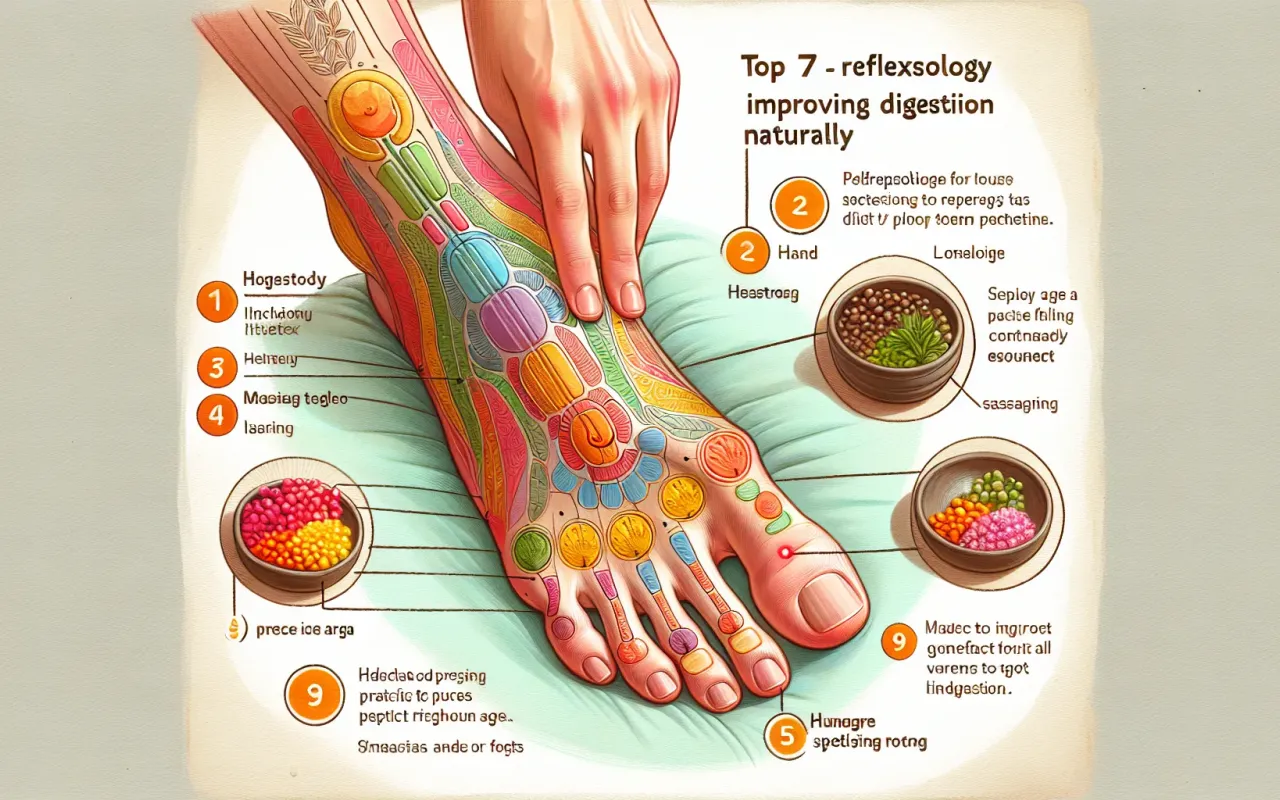
Discover the top 7 reflexology techniques for digestion to naturally boost your gut health. Learn how reflexology can improve your digestive system and enhance overall wellness.
- August 22, 2024
Reflexology is an ancient practice that involves applying pressure to specific points on the feet, hands, and ears to promote health and wellbeing in corresponding organs and systems. Among its many benefits, reflexology techniques for digestion have gained attention for their ability to naturally support gastrointestinal health. In this article, we will explore the top 7 reflexology techniques to enhance your digestive system.
Understanding Reflexology and Digestion
Before delving into the specific techniques, it's important to understand how reflexology works and its connection to digestion. Reflexology is based on the principle that certain points on the feet, hands, and ears map to specific organs and body systems. By stimulating these points, reflexologists aim to promote balance and harmony within the body.
How Reflexology Benefits Digestion
Reflexology can positively impact digestion in several ways:
- Enhances blood circulation: Improved blood flow can help nourish the digestive organs.
- Reduces stress: Since stress is a common contributor to digestive issues, reflexology's stress-relieving effects can alleviate symptoms.
- Stimulates lymphatic function: Promoting lymphatic drainage can help clear toxins from the digestive system.
- Balances the nervous system: Reflexology helps to regulate the autonomic nervous system, which controls many digestive processes.
Top 7 Reflexology Techniques for Digestion
1. Solar Plexus Point
Located on the soles of your feet, the solar plexus point is known to be effective in reducing stress and anxiety, which can directly influence digestive health. Applying gentle pressure to this area can help calm the nervous system and promote better digestion.
2. Stomach Reflex Point
The stomach reflex point is found in the center of the sole, just below the ball of the foot. Massaging this area can help alleviate symptoms of indigestion, bloating, and stomach cramps. Regular stimulation can assist in improving overall digestive function.
3. Small Intestine Reflex Point
Located along the outer edge of the soles, the small intestine reflex point can help promote better nutrient absorption and alleviate issues such as constipation and irregular bowel movements. Gentle pressure and circular motions on this area can enhance intestinal health.
4. Large Intestine Reflex Point
This point runs along the outer side of the foot and wraps around to the underside of the heel. Massaging the large intestine reflex can help support the elimination of waste and improve regularity, making it particularly beneficial for those suffering from constipation.
5. Liver and Gallbladder Reflex Points
Stimulating the liver and gallbladder reflex points, located on the right foot, just below the ball, can aid in the digestion of fats and promote detoxification. Regularly working on these points can help support liver health and improve digestive efficiency.
6. Pancreas Reflex Point
The pancreas reflex point is found on the left foot, just below the ball of the foot, and can be stimulated to help balance blood sugar levels and support enzyme production. This can be useful for managing digestive disorders related to enzyme deficiencies.
7. Colon Reflex Points
The colon reflex points span from the inner side of the foot arch to the heel. By applying pressure and massaging along these points, you can promote healthy bowel movements and alleviate symptoms of irritable bowel syndrome (IBS) and other digestive complaints.
How to Incorporate Reflexology into Your Routine
Consistent practice is key to gaining the maximum benefits from reflexology for digestion. Here are a few tips on how to incorporate these techniques into your daily routine:
- Self-care sessions: Dedicate a few minutes each day to massaging your feet, focusing on the reflex points mentioned above.
- Professional reflexology: Consider regular sessions with a certified reflexologist who can provide targeted treatments.
- Mindful practice: Combine reflexology with other holistic practices such as deep breathing exercises and meditation to enhance its benefits.
- Hydration: Drink plenty of water post-session to aid in toxin elimination.
Conclusion
Reflexology offers a natural and effective way to support your digestive health. By incorporating these top 7 reflexology techniques for digestion into your routine, you can help promote a healthier, more balanced digestive system. Always remember to listen to your body, and consider consulting with a healthcare professional before starting any new wellness practice.
With consistent practice and mindful application, reflexology may become a valuable component of your digestive health regimen, helping you achieve overall wellbeing and a happier gut.