Discover effective strategies on how to conserve water while showering. Learn tips, techniques, and best practices to reduce water usage and save on your water bills.
- August 19, 2024
As the global population grows and climate change impacts our water resources, it’s imperative that we learn effective ways to conserve water in our daily routines. One area where significant water savings can be achieved is during showers. This article will provide you with top tips on how to conserve water while showering, ensuring that you maintain personal hygiene without wasting this precious resource.
Why Conserve Water While Showering?
Understanding the importance of water conservation is crucial. Conserving water helps reduce the demand on our freshwater resources, lowers energy consumption (since heating water uses energy), and decreases water bills. Moreover, it's an essential step towards sustainable living and environmental stewardship.
Effective Tips on How to Conserve Water While Showering
1. Install Low-Flow Showerheads
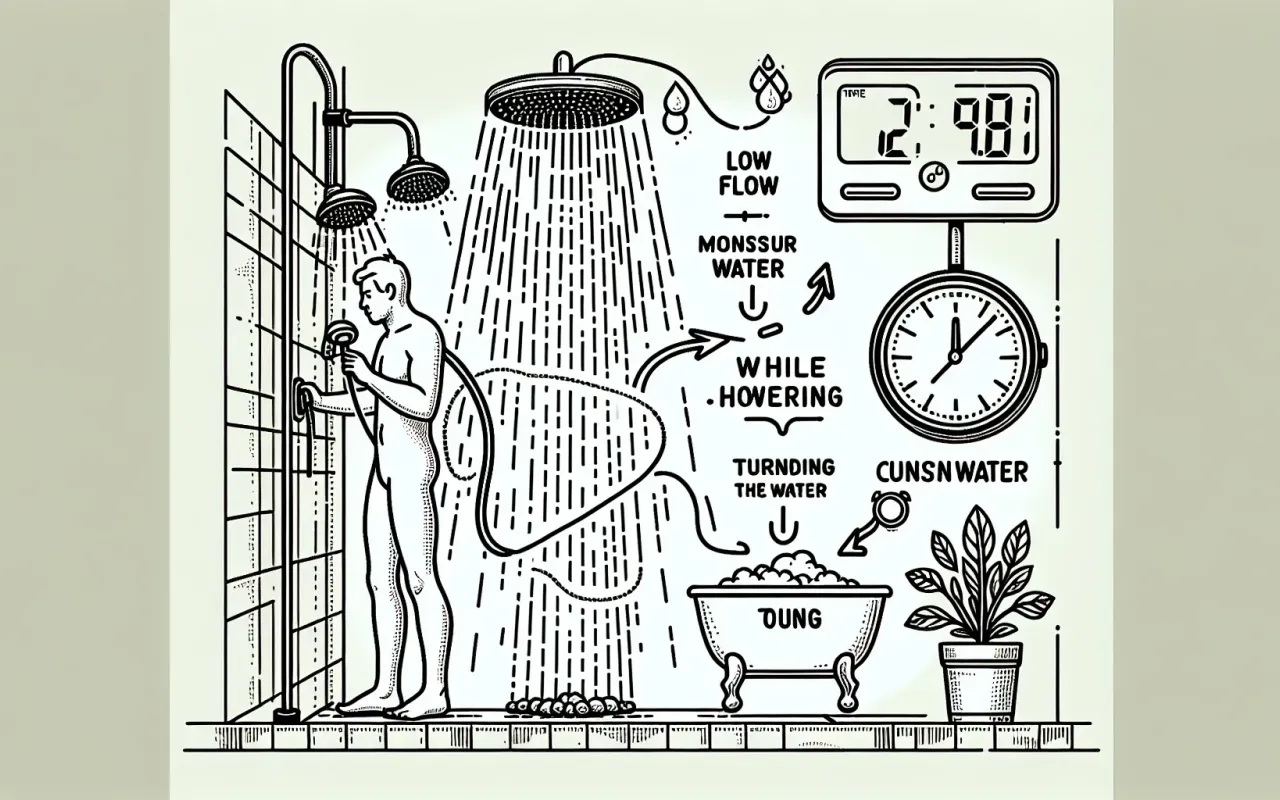
Low-flow showerheads significantly reduce water usage without compromising water pressure. They are designed to use less than 2.5 gallons per minute (GPM), compared to traditional showerheads that can use up to 5 GPM. Switching to low-flow showerheads can save thousands of gallons of water annually in an average household.
2. Take Shorter Showers
The simplest way to save water is to shorten your shower time. Aim to keep your showers under five minutes. You can use a timer or install a shower timer device that alerts you when your time is up.
3. Use a Bucket to Catch Water
While waiting for the water to heat up, place a bucket under the shower. You can later use this collected water for other purposes, such as watering plants or flushing the toilet.
4. Turn Off the Water While Lathering
After wetting yourself, turn off the shower while you lather soap, shampoo, or conditioner. Turn it back on only when you need to rinse off. This practice can save multiple gallons of water per shower.
5. Invest in a Water-Saving Showerhead
Water-saving showerheads are advanced low-flow showerheads with additional features to enhance water efficiency. They may include pause buttons, air infusion technology, or even sensors to optimize water flow.
6. Keep Showers to a Minimum During Water Scarcity
In times of drought or water scarcity, try to reduce the frequency of your showers. If you need a quick refresh, consider using a washcloth or wet wipes instead of a full shower.
7. Educate Household Members
Educate everyone in your household about the importance of conserving water. Encourage them to adopt water-saving habits and regularly remind them of the benefits.
Additional Water Conservation Practices
1. Fix Leaks Promptly
Even minor leaks can result in significant water waste over time. Regularly check your showerheads, faucets, and pipes for leaks and fix them promptly.
2. Opt for Water-Efficient Fixtures
When renovating your bathroom or replacing fixtures, opt for water-efficient products. Look for fixtures with the WaterSense label, which signifies that they meet EPA criteria for efficiency and performance.
3. Use Greywater Systems
Consider installing a greywater system that collects and treats water from showers and other non-toilet plumbing fixtures for reuse in irrigation or toilet flushing. This can significantly reduce overall household water consumption.
Conclusion
Conserving water while showering is not only beneficial for the environment but also for your wallet. By implementing the strategies mentioned above, you can make a profound impact on water conservation efforts. Remember, every drop counts. Start with small changes in your daily routine and inspire others to follow suit. Together, we can make a significant difference.