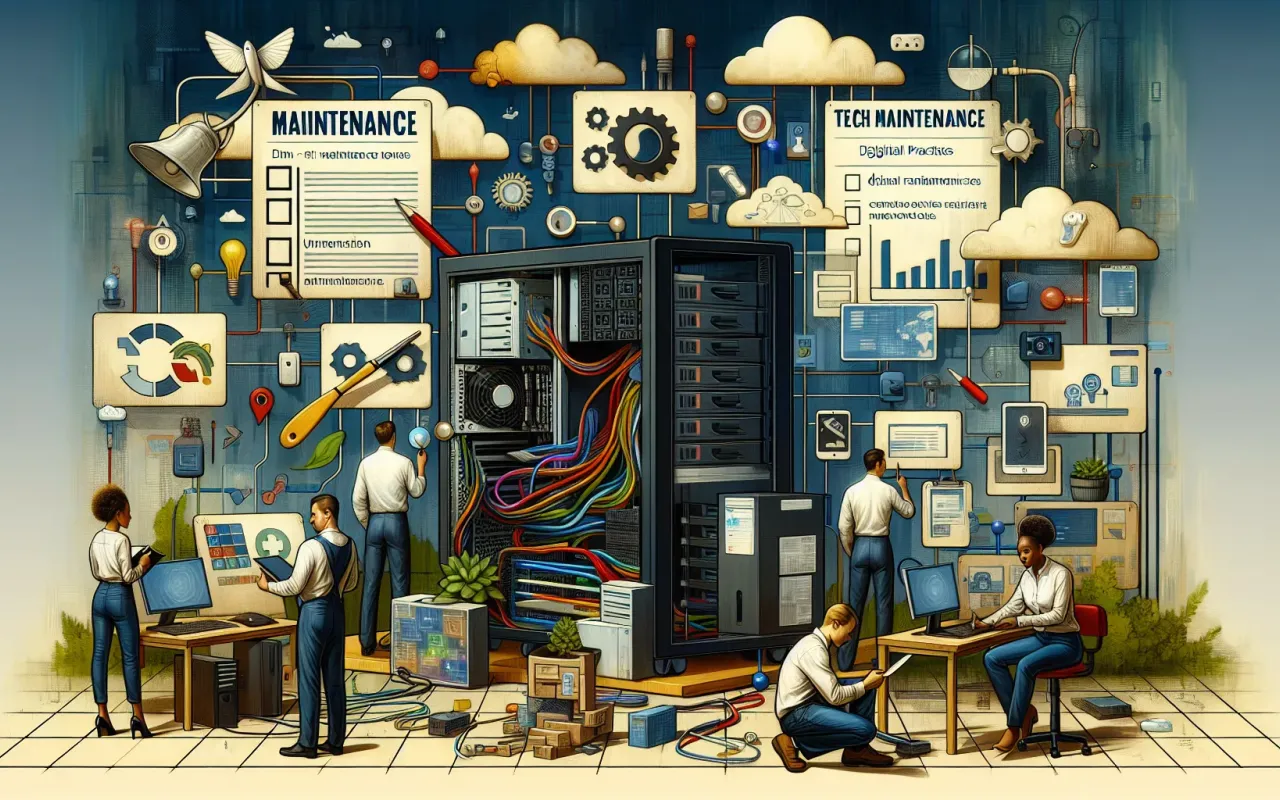
Discover expert-recommended best practices for routine tech maintenance for small businesses to ensure system efficiency and security.
- August 19, 2024
AceShowbiz - In today's digital age, maintaining the integrity and efficiency of technological assets is crucial for small businesses. Routine tech maintenance, often overlooked, can prevent costly disruptions, safeguard sensitive information, and ensure smooth operations. This comprehensive guide covers best practices for routine tech maintenance tailored for small businesses, providing actionable tips and insights to help you stay ahead.
Understanding the Importance of Routine Tech Maintenance
Routine tech maintenance for small businesses involves regular checks, updates, and practices to ensure that all technological components are functioning optimally. For small businesses, this not only means safeguarding business data but also ensuring continuous, unhindered operational processes which are critical to client satisfaction and financial stability.
Best Practices for Routine Tech Maintenance
1. Regular Software Updates
Keeping software up-to-date is one of the most straightforward yet critical practices. Software developers frequently release updates to patch vulnerabilities, add new features, and improve performance. By neglecting updates, small businesses risk exposing themselves to security threats and inefficiencies.
2. Scheduled Hardware Checks
Conducting regular hardware inspections can preempt failures and extend the lifespan of your equipment. Check for signs of wear and tear, perform cleaning routines to remove dust buildup, and ensure that all components are functioning as intended.
3. Robust Data Backup Solutions
Data loss can be catastrophic for small businesses. Implementing a robust backup strategy—including daily automated backups to an offsite location or cloud storage—is essential. Regularly test your backup systems to ensure they function correctly and that data can be restored quickly when needed.
4. Network Security Best Practices
Securing your network is vital to protecting business data and ensuring safe communications. Use firewalls, antivirus software, and always keep security patches up-to-date. Regularly update passwords and use multi-factor authentication to add an extra layer of security.
5. Employee Training and Awareness
Employees are often the first line of defense against cyber threats. Regularly train your staff on best practices for IT security, including recognizing phishing scams and the importance of using strong passwords. Encourage a culture of security awareness in the workplace.
6. Performance Monitoring and Optimization
Continuously monitor the performance of your tech infrastructure using specialized tools. Identifying and addressing potential issues before they escalate helps maintain smooth operations. Regularly optimize systems to improve efficiency and reduce lag times.
7. Outsourcing IT Maintenance
For small businesses lacking internal IT expertise, outsourcing to a managed service provider (MSP) can be a valuable option. MSPs offer specialized knowledge and resources, ensuring that your tech maintenance needs are met without diverting attention from your core business activities.
Addressing Common Pain Points
Time Constraints
Many small businesses struggle with time constraints that prevent proper maintenance. Implementing automated solutions, such as scheduled backups and updates, can help mitigate this issue.
Limited Budget
Budget limitations are a common concern. Prioritize essential maintenance tasks and consider scalable solutions. Investing in preventative measures can save money in the long run by avoiding expensive repairs and data recovery costs.
Lack of Expertise
Not all small business owners have a tech background. Leveraging external expertise through consulting services or managed service providers can bridge this gap and offer peace of mind.
Conclusion
Routine tech maintenance for small businesses is non-negotiable in today’s technology-driven marketplace. By adhering to the best practices outlined in this guide, you can enhance operational efficiency, protect your data, and free up resources to focus on growth and innovation. Regular maintenance might seem tedious, but the payoff in terms of system reliability and security is well worth the effort.
Effortless tech maintenance isn't just about following a checklist—it's about fostering a proactive and informed approach to your business's technological health. Stay diligent, stay updated, and your tech environment will serve as a strong foundation for your business's success.