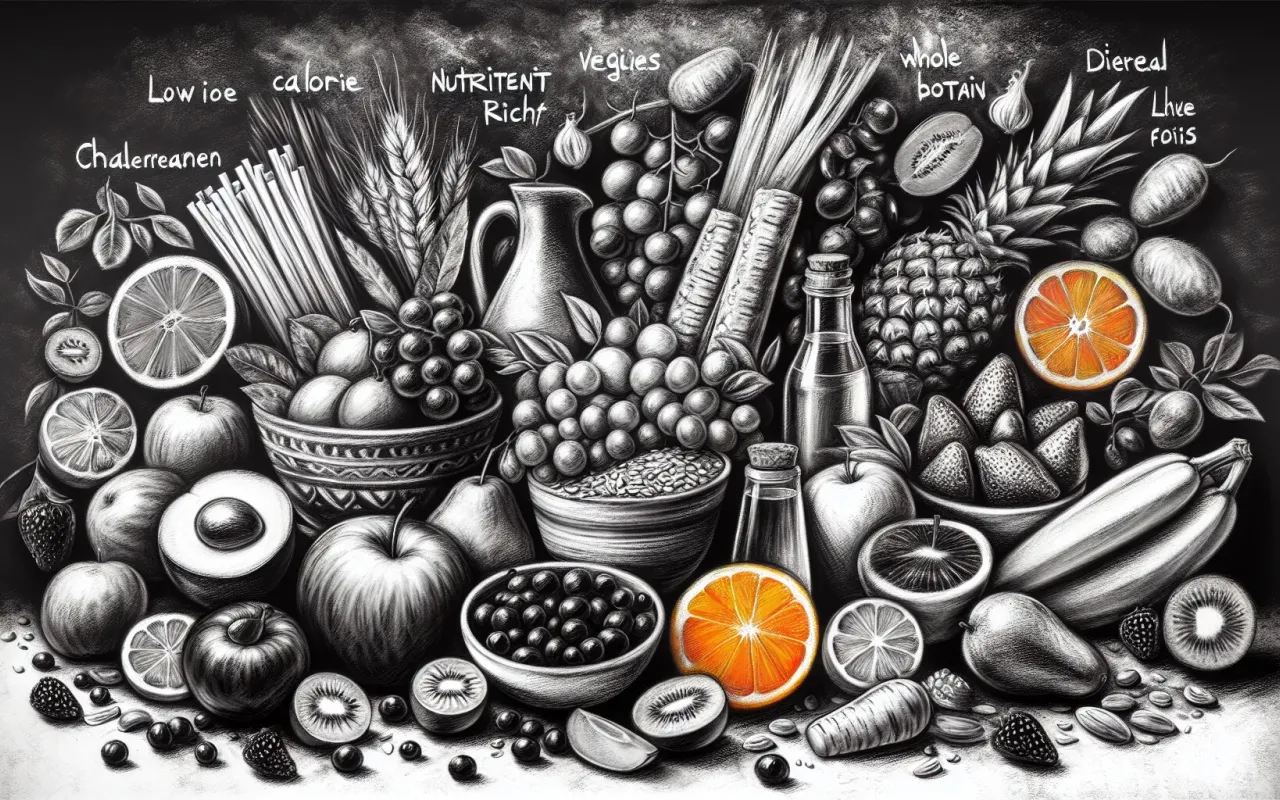
Discover the top low-calorie nutrient-rich foods in the Mediterranean diet. Learn how these foods boost health and contribute to weight management.
- August 19, 2024
AceShowbiz - The Mediterranean diet is renowned for its health benefits, including improved heart health, weight management, and overall wellness. This article explores the top low-calorie nutrient-rich foods in the Mediterranean diet that can help you boost your health while keeping your calorie intake in check.
Introduction
The Mediterranean diet, inspired by the eating habits of people from countries bordering the Mediterranean Sea, is characterized by its emphasis on whole foods, healthy fats, and a variety of plant-based ingredients. Research has shown that this diet can contribute to a longer life expectancy and a reduced risk of chronic diseases.
One of the greatest advantages of the Mediterranean diet is its ability to offer nutrient-rich foods that are also low in calories. This combination helps in maintaining an optimal body weight while ensuring that you receive all the essential nutrients your body needs.
Top Low-Calorie Nutrient-Rich Foods in the Mediterranean Diet
1. Leafy Greens
Leafy greens like spinach, kale, and arugula are staples of the Mediterranean diet. These vegetables are packed with vitamins A, C, and K, as well as essential minerals like iron and calcium.
They are incredibly low in calories, making them perfect for weight management. Thanks to their high fiber content, leafy greens also promote satiety, which can help reduce overall calorie intake.
2. Tomatoes
Tomatoes are another key component of the Mediterranean diet. Rich in antioxidants like lycopene, vitamins C and K, and potassium, tomatoes support heart health and reduce the risk of certain cancers.
With only around 18 calories per medium-sized tomato, they are a flavorful and nutritious addition to salads, soups, and stews.
3. Cucumbers
Cucumbers are an excellent low-calorie food that provides hydration and fiber. They contain various vitamins and minerals, including vitamin K, vitamin C, and potassium.
With a high water content, cucumbers are refreshing and can help you stay full while consuming fewer calories.
4. Bell Peppers
Bell peppers, especially red, yellow, and orange varieties, are low in calories but high in vitamins A and C, potassium, and antioxidants. These nutrients support immune function and skin health.
Whether eaten raw, roasted, or cooked into dishes, bell peppers add sweetness and crunch to your meals without adding many calories.
5. Legumes
Legumes such as lentils, chickpeas, and beans are nutrient powerhouses in the Mediterranean diet. They are high in protein, fiber, iron, and folate.
Despite being relatively low in calories, legumes are highly filling, which can help in weight control and maintaining a balanced diet.
6. Fish and Seafood
Fish and seafood form the cornerstone of the Mediterranean diet. Rich in omega-3 fatty acids, protein, and vitamin D, consuming fish supports heart and brain health.
Low-calorie options like cod, sole, and shrimp provide the benefits of seafood without excessive calorie intake. Aim to include a variety of fish in your diet for balanced nutrition.
7. Greek Yogurt
Greek yogurt is a fantastic low-calorie food that provides a substantial amount of protein, calcium, and probiotics, which are beneficial for digestive health.
Opt for plain, non-fat Greek yogurt to enjoy these benefits without added sugars or extra calories. Use it as a base for smoothies, dips, or a snack with fresh fruit.
8. Olives and Olive Oil
While olives and olive oil are not exceptionally low-calorie, they are included in the list due to their nutrient density and health benefits. Rich in monounsaturated fats, vitamin E, and antioxidants, they support heart health and reduce inflammation.
Use olive oil in moderation as a dressing or for cooking, and enjoy olives as a snack while keeping portion sizes in check to balance calorie intake.
Incorporating Low-Calorie Nutrient-Rich Foods into Your Diet
Incorporating these low-calorie nutrient-rich foods into your Mediterranean diet can significantly enhance your health and aid in weight management. Here are some tips to get started:
Create Colorful Salads
Combine leafy greens, tomatoes, cucumbers, and bell peppers to create vibrant and nutrient-dense salads. Add a dressing made with extra virgin olive oil, lemon juice, and herbs for a healthy meal.
Enjoy Legume-Based Dishes
Prepare dishes like lentil soup, chickpea salad, or black bean stew. These meals are filling and provide essential nutrients while keeping calories low.
Include Fish in Your Weekly Plan
Aim to have fish or seafood at least twice a week. Experiment with grilled, baked, or poached fish for variety and to keep things interesting.
Choose Greek Yogurt as a Snack
Replace high-calorie snacks with Greek yogurt topped with berries, nuts, or a drizzle of honey. This ensures a nutritious and satisfying option.
Conclusion
The Mediterranean diet's focus on whole foods, healthy fats, and a variety of plant-based ingredients can help you lead a healthier lifestyle. By incorporating these top low-calorie nutrient-rich foods into your diet, you can enjoy the wide range of health benefits the Mediterranean way of eating has to offer.
Remember, the key to a successful diet is balance, variety, and moderation. Aim to choose a diverse array of low-calorie nutrient-rich foods to maintain your weight and optimize your health while savoring the delicious flavors of the Mediterranean.